Roofing Issues in Older Belfast Homes: What Homeowners Need to Know

Belfast is a city built on history. From the tree-lined streets of the Malone Road to the red-brick terraces of East Belfast, Victorian and Edwardian properties define our neighbourhoods. These homes were built to last: but their roofs? After 100+ years of Belfast weather, they're often telling a different story.

If you own one of these character-filled properties, understanding what's happening above your head isn't just useful knowledge. It's essential for protecting your investment and keeping your family safe.

At Advanced Construction & Roofing, we've spent over 25 years working on Belfast's oldest and most challenging roofs. We've seen it all: from minor slate slips to complete timber failures. Here's what every owner of an older Belfast home needs to know.

Why Are Victorian and Edwardian Roofs Different?

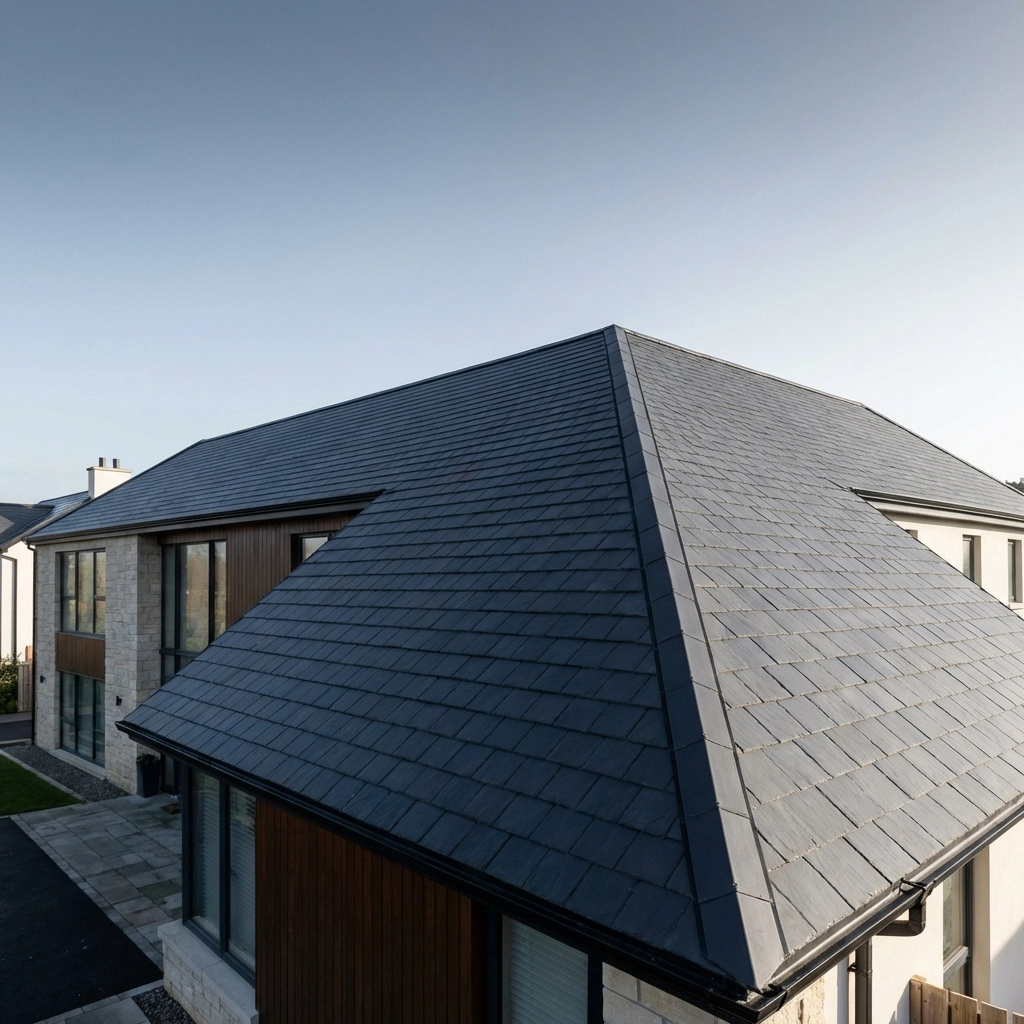
Properties built between 1837 and 1914 were constructed using materials and methods that differ dramatically from modern building practices. Most roofs from this era feature:

  • Natural Welsh or Scottish slate rather than modern concrete tiles
  • Lime mortar instead of cement-based products
  • Timber battens and rafters cut from old-growth wood
  • Lead flashings around chimneys and valleys
  • Cast iron guttering and downpipes

These materials have incredible longevity when properly maintained. The problem? Most haven't been properly maintained. Decades of quick fixes, bodged repairs, and general neglect have left many Belfast period homes with roofing problems waiting to happen.

Advanced Construction & Roofing Roof Survey Service A professional roof inspector examines ceiling damage and insulation while taking notes. The image promotes Advanced Construction & Roofing's roof survey service, offering visual surveys, photo evidence, defect identification, and in-depth analysis for property owners. Contact details and a website link are included for booking a survey.

The Most Common Slate Roof Problems We See in Belfast

Nail Failure: The Silent Roof Killer

Here's something most homeowners don't realise: the nails holding your slates in place are often the first thing to fail.

Original Victorian roofs used iron nails. After a century of Belfast's damp climate, these nails corrode, weaken, and eventually give way. When they do, slates start slipping.

The tricky part? A slipped slate doesn't always cause an immediate leak. It might lodge in your guttering or behind a chimney stack. You won't notice anything wrong: until one stormy night when water suddenly appears on your ceiling.

What to watch for:

  • Slates appearing in your garden after windy weather
  • Visible gaps or misaligned slates when you look up at your roof
  • Slates sitting in your gutters

Frost Damage and Surface Deterioration

Belfast winters aren't extreme, but they're consistently damp and cold. This combination is brutal on older slate.

Water seeps into tiny cracks and pores in the slate surface. When temperatures drop, that water freezes and expands. Over time, this freeze-thaw cycle breaks down the slate from within. Mosses and lichens make this worse by trapping moisture against the slate surface.

You'll notice this as:

  • Flaking or delaminating slates
  • White powdery deposits on slate surfaces
  • Slates that look pitted or rough compared to their neighbours

Flashing Failures Around Chimneys

Water doesn't always enter your roof through obvious holes. The most common entry point? Failed flashings.

The lead flashings around your chimney stack, where your roof meets walls, and in valleys between roof sections all deteriorate over time. Atmospheric pollution, thermal movement, and simple age cause cracks, lifts, and gaps.

Here's the frustrating reality: water that enters through a flashing failure at your chimney can travel several metres along timbers and felt before dripping onto your ceiling somewhere completely different. Finding the actual source requires experience and expertise.

Close-up of Victorian Belfast chimney stack and slate roof showing lead flashing prone to water ingress.

The Hidden Crisis: Aging Roof Timbers

While everyone focuses on slates and tiles, the real story in many older Belfast homes is happening underneath. Your roof timbers might be in serious trouble.

Victorian and Edwardian roof timbers were typically cut from old-growth softwood: dense, resinous, and incredibly durable. But 100+ years of exposure to moisture, woodworm, and poor ventilation takes its toll.

Signs Your Roof Timbers Need Attention

Inside your loft, look for:

  • Visible fungal growth or white/brown patches on wood
  • Soft, spongy timber when pressed
  • Small holes with fine sawdust (woodworm activity)
  • Sagging or bowing roof lines visible from outside
  • A musty, damp smell in your loft space

From outside, watch for:

  • Roof lines that aren't straight
  • Sections of roof that appear to be dipping
  • Chimney stacks that seem to be leaning

The good news? Historic timber is often more durable than modern alternatives. When we find damaged sections, we prefer to splice in new timber rather than wholesale replacement: preserving as much original material as possible while ensuring structural integrity.

Repair or Replace? Making the Right Decision

This is the question we answer most often for Belfast homeowners. Here's our honest guidance after 25+ years in the trade:

When Repair Makes Sense

  • A few slipped or broken slates with no underlying damage
  • Localised flashing failures
  • Minor timber repairs needed
  • Overall roof structure is sound

When Replacement Is the Better Investment

  • Nail failure is widespread (slates slipping across the entire roof)
  • Significant timber decay requiring major structural work
  • Multiple previous repairs have created a patchwork of problems
  • Repair costs approach 60-70% of replacement costs

Our philosophy is simple: we'll always recommend the most cost-effective long-term solution. Sometimes that's a repair. Sometimes honest advice means telling you a full replacement will save money over the next decade.

For more guidance on why repairs sometimes fail, read our article on 10 reasons your roof repair keeps failing.

Roofer Roof Inspection in Rain A roofer conducts a detailed inspection of a leaking and damaged roof during heavy rain, identifying broken tiles, exposed timber, and visible moss. The technician is equipped with tools and assesses the extent of emergency repairs needed to prevent further water ingress.

Why Annual Inspections Are Non-Negotiable for Period Properties

You service your car annually. You get your boiler checked every year. Your roof deserves the same attention: especially on a Victorian or Edwardian property.

We recommend inspecting your roof at least once a year, ideally when clearing your gutters in autumn. A quick visual check from ground level can catch obvious problems, but a professional inspection reveals issues invisible to untrained eyes.

A proper roof survey includes:

  • Assessment of slate condition across the entire roof
  • Inspection of all flashings, valleys, and junctions
  • Examination of chimney pointing and flaunching
  • Internal loft inspection for timber condition and ventilation
  • Photographic documentation of any defects found
  • Clear recommendations with priority ratings

Not sure if you need a professional survey? Our guide on whether you really need a roofing survey covers everything you need to know.

What Makes Working on Period Properties Different?

Not every roofer has the skills to work on Victorian and Edwardian roofs. These properties demand:

  • Knowledge of traditional materials and how they behave
  • Sourcing reclaimed slates that match originals in size, thickness, and colour
  • Understanding lime mortar and why cement pointing causes problems
  • Respect for original craftsmanship and conservation principles

At Advanced Construction & Roofing, our team has specific experience with Belfast's period properties. We understand that your home isn't just a building: it's a piece of the city's heritage.

Take Action Before Small Problems Become Big Ones

Here's the bottom line: older Belfast homes have roofs that need more attention, not less. The good news is that with proper care, a Victorian slate roof can last another century.

The bad news? Ignored problems accelerate. A slipped slate becomes a rotten batten. A rotten batten becomes a damaged rafter. A damaged rafter becomes a structural emergency.

Request a professional roof survey today. Our comprehensive Belfast roof survey service gives you complete clarity on your roof's condition, with honest recommendations and no pressure.

Call Advanced Construction & Roofing on the number at the top of this page, or fill out our online contact form. With over 25 years of experience on Belfast's most demanding roofs, we'll give you the straight answers your period property deserves.

Roof Ventilation 101: A Beginner's Guide to a Healthier, Drier Home in Belfast

Is your Belfast home feeling damp, musty, or suffering from mysterious condensation problems? The culprit might be hiding right above your head. Poor roof ventilation is one of the most overlooked issues in Northern Ireland homes, and it's silently causing damage that could cost you thousands in repairs.

Here's the truth: Belfast's wet climate makes proper roof ventilation absolutely essential. Without it, your loft becomes a breeding ground for moisture, mould, and timber rot. The good news? Understanding how ventilation works puts you in control of protecting your property.

This guide breaks down everything you need to know about roof ventilation, from the science behind airflow to the different vent types available for your Belfast home.


Why Does Roof Ventilation Matter So Much in Belfast?

Belfast averages over 200 days of rainfall per year. That constant moisture, combined with temperature fluctuations between your heated living space and cold loft, creates the perfect conditions for condensation.

Think about what happens when you breathe on a cold window. That same principle applies to your roof space. Warm, moist air rises from your home, from cooking, showering, and even just breathing, and hits the cold underside of your roof. Without proper ventilation, that moisture has nowhere to go.

The consequences? Rotting roof timbers, damaged insulation, black mould growth, and structural problems that threaten your home's integrity.

A well-ventilated loft prevents damp and condensation while maintaining stable temperatures year-round. It's not a luxury, it's a necessity for every Belfast homeowner serious about protecting their property.

Damp attic in a Belfast home showing condensation on roof timbers, highlighting need for ventilation


The Science of Airflow: How Roof Ventilation Actually Works

Understanding the basics helps you make smarter decisions about your home. Roof ventilation operates on a simple principle: create continuous airflow through your roof space.

Here's how it works:

  1. Cool, dry air enters at low points (usually at the eaves)
  2. Air circulates through the loft space, picking up moisture
  3. Warm, moist air exits at high points (typically the ridge)

This natural circulation: driven by temperature differences and wind pressure: removes excess moisture before it causes problems. It's passive, requires no energy, and works 24/7 when properly installed.

The key word here is balance. Your roof needs adequate intake ventilation at the eaves AND exhaust ventilation at the ridge. Too much of one without the other creates ineffective airflow or, worse, negative pressure that can draw moisture into your home.

Professional roofers typically follow 1:150 or 1:300 ratio guidelines: meaning for every 150 or 300 square feet of loft floor space, you need one square foot of ventilation area. Undersized systems are far more common than oversized ones, which is why professional assessment matters.


Types of Roof Ventilation: What Are Your Options?

Not all vents are created equal. Different Belfast properties require different ventilation solutions depending on roof design, existing structure, and aesthetic preferences. Here are the main types you should know about:

Eaves Level Ventilation (Soffit Vents)

This is your intake system: where fresh air enters your roof space.

Soffit vents are installed in the underside of your roof overhang (the soffit board). They're hidden from view, making them an unobtrusive option for maintaining your home's appearance.

Options include:

  • Continuous soffit strips – provide consistent ventilation along the entire eaves
  • Circular soffit vents – individual vents installed at intervals
  • Over-fascia vents – installed above the gutter line when soffit installation isn't practical

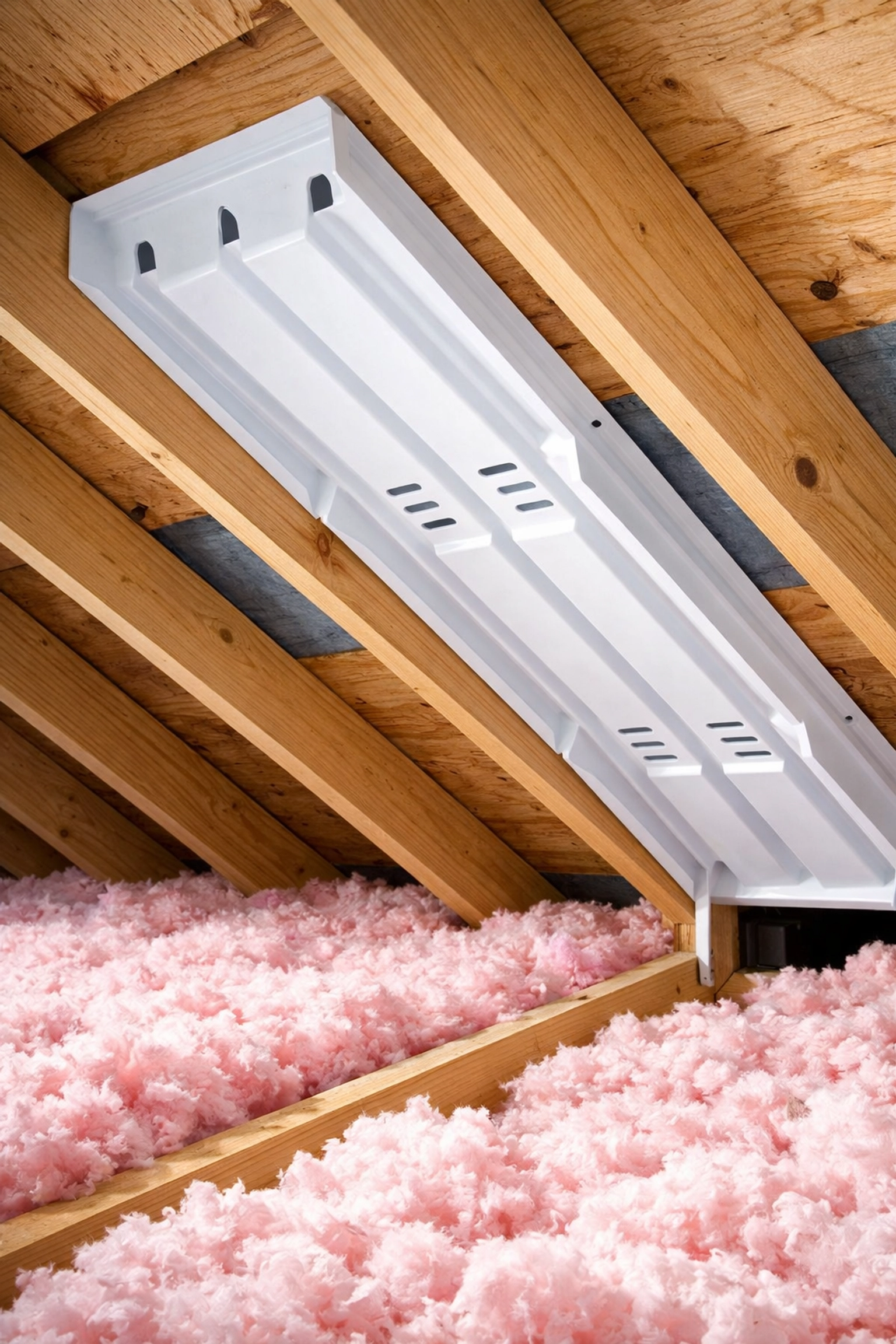
For Belfast homes with older construction, over-fascia vents and eaves protection boards allow cool air to enter without compromising your roofline's appearance or requiring major structural changes.

Close-up of soffit vent system under roof eaves on a Belfast house, demonstrating efficient roof air intake

Ridge Ventilation

Located at the roof's peak, ridge vents provide the exit point for warm, moist air.

Ridge ventilation is considered the most effective exhaust method because hot air naturally rises to the highest point. Modern in-line ridge ventilators maintain aesthetic appeal while providing excellent airflow.

Benefits of ridge ventilation:

  • Works with natural convection – no mechanical assistance needed
  • Even extraction – pulls air from the entire loft space rather than localised points
  • Weather protection – designed to prevent rain and snow ingress
  • Invisible from street level – maintains your roof's clean appearance

When combined with proper eaves ventilation, ridge vents create the balanced system your Belfast home needs.

Slate and Tile Vents

These specialised vents blend seamlessly with your existing roofing material.

If your roof lacks adequate ridge or eaves ventilation: or if you need additional airflow in specific areas: tile and slate vents offer a practical solution. They're designed to match common roofing materials used throughout Northern Ireland, making them suitable for both new builds and retrofits.

Tile vents are particularly useful for:

  • Bathrooms and kitchens – extracting moist air from specific rooms
  • Low-pitched roofs – where ridge ventilation isn't practical
  • Listed buildings – where maintaining original appearance is essential

Advanced Construction & Roofing Roof Survey Service A professional roof inspector examines ceiling damage and insulation while taking notes. The image promotes Advanced Construction & Roofing's roof survey service, offering visual surveys, photo evidence, defect identification, and in-depth analysis for property owners. Contact details and a website link are included for booking a survey.


What Happens When Ventilation Fails? The Real Cost of Neglect

Ignoring roof ventilation doesn't save money: it costs you far more in the long run.

Here's what poor ventilation causes in Belfast homes:

Timber Rot and Structural Damage

Excess moisture attacks your roof's wooden components: rafters, joists, and battens. Once rot sets in, you're looking at serious structural repairs. Replacing rotted roof timbers can cost thousands of pounds and often reveals additional hidden damage.

Insulation Degradation

Wet insulation loses its effectiveness. That means higher heating bills, uncomfortable temperatures, and wasted energy. Your insulation should keep you warm: not absorb moisture from a poorly ventilated loft.

Mould and Health Problems

Black mould thrives in damp, poorly ventilated spaces. It's not just unsightly: it's a health hazard, particularly for family members with respiratory conditions, allergies, or weakened immune systems.

Roof Covering Damage

Condensation can cause felt underlay to deteriorate, leading to water ingress. Combined with frost damage during Belfast's cold snaps, this accelerates wear on your entire roof system.

If you've been experiencing recurring roof problems, inadequate ventilation might be the underlying cause that keeps bringing issues back.


Additional Protection: Working With Your Ventilation System

Ventilation works best as part of a comprehensive moisture management strategy.

Quality roofing underlays: particularly vapour-permeable membranes: provide secondary defence against water ingress while allowing moisture to escape upward. Unlike traditional felt, these modern membranes work with your ventilation system rather than against it.

Proper loft insulation also plays a role. Insulation should be installed carefully to avoid blocking eaves ventilation points. A common DIY mistake is pushing insulation into the eaves, which stops airflow and defeats the entire purpose of your ventilation system.

If you're unsure about your current setup, a professional roof survey can identify ventilation deficiencies before they become expensive problems.


Signs Your Belfast Home Needs Better Ventilation

How do you know if your roof ventilation is failing? Look for these warning signs:

  • Condensation on loft windows or cold water tanks
  • Musty smells when entering the loft space
  • Visible mould or mildew on roof timbers
  • Damp patches on upstairs ceilings
  • Peeling paint or wallpaper in top-floor rooms
  • Ice forming on the underside of the roof in winter

Don't ignore these symptoms. Early intervention prevents minor ventilation issues from becoming major structural problems.


Take Action: Protect Your Belfast Home Today

Proper roof ventilation isn't optional in Northern Ireland's climate: it's essential.

Whether you're building new, renovating, or simply maintaining your existing property, understanding ventilation puts you in control. You now know how airflow works, what vent types are available, and why balanced systems matter.

The next step? Get your roof professionally assessed. A qualified surveyor can identify existing ventilation, spot deficiencies, and recommend solutions tailored to your specific Belfast property.

Contact Advanced Construction & Roofing to book your comprehensive roof survey. We'll assess your ventilation, identify any moisture damage, and provide clear recommendations: no jargon, no pressure, just honest advice from experienced local professionals.

Your roof protects everything underneath it. Make sure it can breathe.

Is Your Roof Ready for Solar Panels? What a Professional Survey Reveals

Solar panels are popping up on rooftops across Belfast and Northern Ireland at a rate we've never seen before. With energy bills showing no signs of dropping and government incentives making the switch more attractive, it's no wonder homeowners are keen to harness the power of the sun.

But here's what many people don't consider: your roof needs to be ready for solar panels before you commit to installation.

Think about it. Solar panels are designed to last 25 to 30 years. Your roof needs to match that lifespan : or you'll face the expensive headache of removing panels, fixing roof problems, and reinstalling everything. That's a bill nobody wants.

So how do you know if your roof is up to the job? A professional roof survey tells you everything you need to know.

Why You Must Check Your Roof Before Installing Solar Panels

Here's the reality many solar installers won't tell you: they're focused on selling and fitting panels. They're not roofing experts. They'll mount panels on your roof and move on to the next job.

What happens if your roof has underlying problems? You discover them three years down the line when water starts dripping through your ceiling. Now you're paying to remove panels, repair the roof, and reinstall the system. We've seen this scenario play out dozens of times across Northern Ireland.

A professional roof survey before solar installation identifies these issues while they're still manageable. It's the smart move that saves you thousands in potential repair costs.

Belfast homeowner and roofing contractor discussing rooftop inspection before solar panel installation

What Does a Professional Roof Survey Actually Reveal?

When our team at Advanced Construction & Roofing conducts a pre-solar roof survey, we're examining several critical factors that determine whether your roof can safely and effectively support panels for decades to come.

Structural Integrity Assessment

Can your roof handle the weight? This is the first and most important question.

Solar panels typically add 3 to 4 pounds per square foot to your roof. Most residential roofs are designed to support 20+ pounds per square foot, so the weight itself usually isn't a problem. However, that assumes your roof structure is in good condition.

Our surveyors examine:

  • Roof framing for signs of damage, rot, or structural weaknesses
  • Rafter size and spacing to confirm the timber can handle additional load
  • Foundation stability to ensure the overall structure is sound
  • Previous repairs that might have compromised structural integrity

If your roof has hidden damage from previous storms or years of wear, adding solar panels could accelerate problems you don't even know exist yet.

Roof Condition Evaluation

How old is your roof, and what condition is it really in?

A roof that looks fine from ground level might tell a very different story up close. Our surveyors look for:

  • Granular loss on shingles indicating age and deterioration
  • Curling or lifting tiles that could allow water ingress
  • Pooling water on flat roof sections
  • Cracked or slipped slates
  • Deteriorating flashing around chimneys and vents
  • Moss and algae growth that can hide underlying damage

Advanced Construction & Roofing Roof Survey Service A professional roof inspector examines ceiling damage and insulation while taking notes. The image promotes Advanced Construction & Roofing's roof survey service, offering visual surveys, photo evidence, defect identification, and in-depth analysis for property owners. Contact details and a website link are included for booking a survey.

If your roof has 5 to 10 years of life left but your solar panels are designed to last 25+ years, you've got a mismatch. Better to know now and plan accordingly than discover it when panels are already installed.

Physical Layout and Mounting Considerations

Not every roof is ideal for solar panels. Our survey measures and evaluates:

  • Roof pitch (the slope angle) and how it affects panel orientation
  • Available unobstructed space after accounting for setbacks from edges
  • Obstructions like chimneys, skylights, vents, and satellite dishes
  • Roof type : whether you have slate, tile, metal, or felt flat roofing

Different roof materials require different mounting approaches. Standing seam metal roofs are relatively straightforward to work with, while slate and some tile roofs need more careful handling. If you have a flat roof, you'll want to understand the differences between EPDM and felt systems and how they affect solar installations.

Shading Analysis

Solar panels need sunlight. Seems obvious, but the amount of shading your roof receives throughout the day : and across different seasons : dramatically affects how much energy you'll generate.

Our survey identifies shading from:

  • Nearby buildings
  • Trees (including seasonal leaf coverage)
  • Chimneys and other roof structures
  • Terrain and hillsides

A roof that gets full sun in summer might be heavily shaded in winter when energy demand is highest. Understanding this helps you make informed decisions about panel placement and realistic energy expectations.

Common Issues We Find During Pre-Solar Surveys in Belfast

After conducting hundreds of roof surveys across Belfast and Northern Ireland, we've identified the most common problems homeowners don't realise they have:

Storm damage that was never properly repaired. Northern Ireland weather takes its toll. Many roofs have lingering issues from past storms that were patched rather than properly fixed. Learn more about what to look for after storm damage.

Deteriorating felt on flat roof sections. Many Belfast homes have flat roof extensions or dormers. These sections often show wear before the main roof and need attention before adding panel weight.

Ventilation problems. Poor roof ventilation leads to condensation, damp, and timber rot : all of which weaken your roof structure over time.

Failed previous repairs. Not all roofing work is created equal. We regularly find botched repairs that are actually making problems worse. If you've had roof repairs that keep failing, a survey will reveal why.

Roof surveyor inspecting solar panel mounts on a residential roof in Northern Ireland

The Real Cost of Skipping a Roof Survey

Let's talk numbers.

A professional roof survey costs a fraction of what you'll spend on solar panels. But skipping that survey could cost you:

  • £500 to £2,000 to remove and reinstall panels when roof repairs become necessary
  • £1,500 to £5,000+ for roof repairs that could have been done more cheaply before installation
  • Lost energy generation while your system is offline during repairs
  • Potential warranty issues if panel mounting has been disturbed

Compare that to the peace of mind that comes from knowing your roof is ready to support solar panels for the next three decades.

Book Your Pre-Solar Roof Survey for Just £295

At Advanced Construction & Roofing, we offer comprehensive roof surveys designed to give you complete clarity about your roof's condition.

Our £295 roof survey includes:

  • Full visual inspection of all roof surfaces
  • Structural assessment for solar readiness
  • Photo evidence of any defects or concerns
  • Detailed written report with recommendations
  • In-depth analysis of repair priorities
  • Clear guidance on whether your roof is solar-ready

This isn't a quick glance from ground level. Our experienced surveyors get up on your roof and examine every detail. You'll receive honest, professional advice about what your roof needs : whether that's a green light for solar installation, minor repairs first, or a more comprehensive roof overhaul.

Don't let a solar installer tell you what you want to hear. Get an independent professional assessment from roofing experts who understand Northern Ireland conditions and construction standards.

Request Your Roof Survey Today

Ready to find out if your roof can handle solar panels? Contact Advanced Construction & Roofing today to book your comprehensive roof survey.

Our team serves homeowners throughout Belfast, Lisburn, Bangor, Newtownards, and across Northern Ireland. We'll give you the facts about your roof's condition so you can make informed decisions about solar investment.

Call us or visit adv-group.co.uk to schedule your £295 roof survey.

Your solar panels deserve a solid foundation. Let's make sure your roof is ready.

Why Everyone in Northern Ireland Is Talking About Dry Verge Systems (And You Should Too)

If you've had your roof repaired or replaced recently in Belfast, Lisburn, or anywhere across Northern Ireland, chances are your roofer mentioned dry verge systems. And if they didn't? You might want to ask why.

Dry verge systems have become the gold standard for protecting roof edges across the UK and Ireland. They're replacing traditional mortar verges at an incredible rate, and for very good reason. Homeowners are tired of crumbling cement, recurring repair bills, and the endless battle against Northern Ireland's relentless weather.

So what exactly are dry verge systems? Why is everyone making the switch? And should you be considering them for your property?

Let's break it down.


What Is a Dry Verge System?

Your roof verge is the outer edge where your roof tiles meet the gable end of your property. It's one of the most exposed and vulnerable parts of your entire roof structure.

Traditionally, roofers secured this edge using mortar, a cement-based mixture that holds tiles in place and fills the gaps. This method has been used for decades across Northern Ireland and beyond.

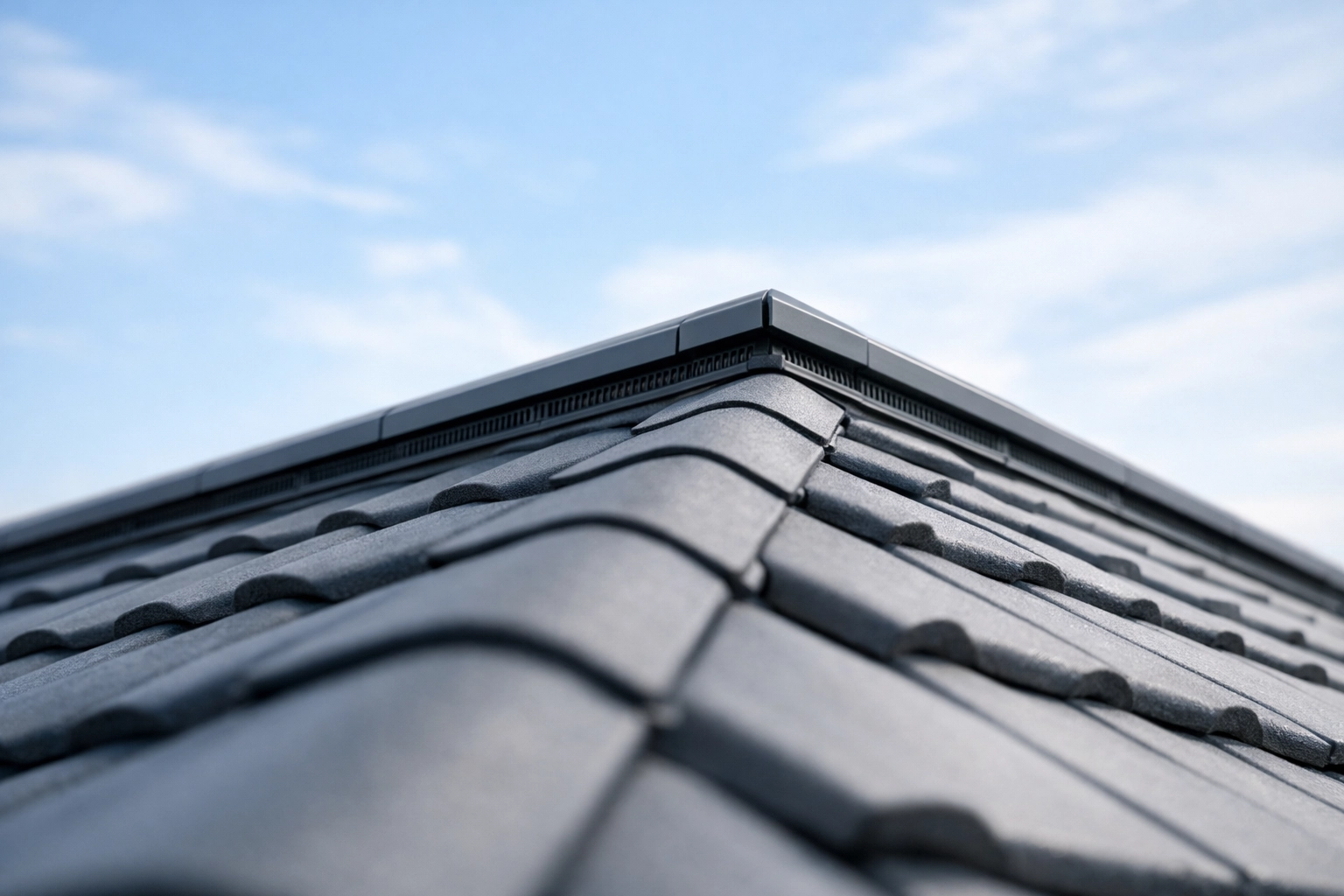
A dry verge system takes a completely different approach. Instead of relying on mortar, it uses mechanically fixed interlocking capping units that clip securely onto your roof tiles. No cement. No wet work. No waiting for good weather to complete the job.

Close-up of dry verge system interlocking caps on roof tiles, showing modern roof edge protection in Northern Ireland.

These plastic or composite caps create a clean, uniform finish along your roof edge while providing superior protection against the elements. They're designed to interlock precisely, leaving no gaps for water, wind, or unwanted visitors to exploit.


Why Are Mortar Verges Failing Across Northern Ireland?

Here's the uncomfortable truth about traditional mortar verges: they were never designed to last forever.

Mortar is porous. It absorbs water. And in a climate like Northern Ireland's, where driving rain, freezing temperatures, and high winds are part of daily life, that's a recipe for disaster.

Over time, mortar cracks. It crumbles. It falls away in chunks, leaving your roof edge exposed and vulnerable. You've probably seen it yourself: those ugly grey patches along rooflines where cement has broken away, tiles sitting loose, gaps appearing where there shouldn't be any.

The problems don't stop at aesthetics. Failed mortar verges lead to:

  • Water ingress that damages roof timbers and causes damp
  • Wind uplift that can dislodge tiles during storms
  • Bird and pest nesting in exposed cavities
  • Heat loss through gaps and cracks
  • Recurring repair costs every few years

If your mortar verge has failed before, you know exactly how frustrating this cycle becomes. You pay for repairs, everything looks fine for a year or two, then the same problems return. It's expensive, inconvenient, and entirely avoidable.


How Dry Verge Systems Solve These Problems

Dry verge systems were engineered specifically to eliminate the weaknesses of traditional mortar. They don't crack, crumble, or deteriorate over time.

Here's what makes them so effective:

Superior Weather Resistance

Northern Ireland's weather doesn't play nice with roofs. High winds, horizontal rain, and freeze-thaw cycles put enormous stress on roof edges.

Dry verge systems are designed to resist wind uplift through secure mechanical fixings that grip tiles firmly in place. They include strategically placed weather bars that redirect water back onto your roof tiles, preventing penetration at the edge.

Storm clouds over a Belfast roofline with exposed tiles, highlighting the need for durable dry verge systems.

Unlike mortar, these systems don't absorb water. They don't expand and contract with temperature changes. They simply do their job, year after year, regardless of what the weather throws at them.

If your property has suffered storm damage before, you understand how important this protection is. A properly installed dry verge system significantly reduces your risk of wind-related tile displacement and water damage. For more on protecting your roof during storms, read our guide on what to know after storm damage.

Complete Protection Against Birds and Pests

Traditional mortar verges create perfect nesting opportunities for birds, especially as the cement deteriorates. Those small gaps and cavities become home to pigeons, starlings, and other unwanted guests.

Dry verge systems eliminate this problem entirely. The interlocking caps create a sealed barrier with no gaps for birds or pests to exploit. No more scratching sounds in your roof space. No more blocked gutters from nesting materials. No more damage from birds pecking at mortar.

A Cleaner, More Attractive Finish

Let's be honest, crumbling mortar looks terrible. Those grey, patchy roof edges detract from your property's appearance and kerb appeal.

Dry verge systems provide a uniform, crisp finish that enhances your home's overall appearance. Available in colours to match your roof tiles, they create clean lines that look professionally finished and stay that way.

Your roof edge will look as good in ten years as it does on day one.


Is It Really Maintenance-Free?

This is the question homeowners ask most frequently. And the answer is yes, dry verge systems are genuinely maintenance-free under normal conditions.

There's no mortar to re-point. No cement to patch. No periodic repairs to schedule. Once installed correctly, a quality dry verge system will protect your roof edge for decades without intervention.

Of course, we still recommend periodic roof inspections to check for any issues across your entire roof structure. But the days of climbing ladders to inspect crumbling verge mortar are over. You can learn more about the value of professional inspections in our article on whether you really need a roofing survey.

Homeowner admiring new maintenance-free dry verge roof installation on a house in Northern Ireland.


What About Installation Costs?

Here's where dry verge systems make even more sense. Yes, the initial installation may cost slightly more than traditional mortar. But when you factor in long-term savings, the picture changes dramatically.

Consider this:

  • No recurring repair costs from mortar failure
  • No emergency call-outs after storms dislodge loose tiles
  • No re-pointing every 5-10 years
  • Improved energy efficiency from eliminating drafts and gaps
  • Faster installation that can be completed in adverse weather

Over a 20-year period, a dry verge system typically costs significantly less than maintaining a traditional mortar verge. It's an investment that pays for itself.


Building Standards Now Require Mechanical Fixing

This isn't just about preference anymore. British Standard BS 5534 removed mortar's status as an acceptable fixing method for roof verges. The standard now requires mechanical fixing: such as verge clips: for all new installations.

This change reflects what the roofing industry has known for years: mortar alone cannot provide reliable, long-term protection for roof edges. Dry verge systems meet and exceed these requirements, ensuring your roof complies with current building standards.

If your property still has mortar verges, they may not meet modern standards. Upgrading to a dry verge system brings your roof up to code while solving existing problems.


Is a Dry Verge System Right for Your Property?

Dry verge systems are suitable for most pitched roofs across Northern Ireland. Whether you're building new, replacing an old roof, or simply upgrading failing mortar verges, this solution delivers lasting protection.

They're particularly valuable for:

  • Properties in exposed locations with high wind exposure
  • Homes experiencing recurring mortar verge failure
  • Roofs with existing bird or pest problems at the verge
  • Homeowners who want a long-term, low-maintenance solution
  • Anyone tired of paying for the same repairs repeatedly

Take the Next Step

If your mortar verges are cracking, crumbling, or causing problems, don't wait for the next storm to make things worse. Dry verge systems offer a permanent solution that protects your property, enhances its appearance, and eliminates ongoing maintenance headaches.

Contact Advanced Construction & Roofing today for a professional assessment of your roof verges. We'll inspect your current setup, explain your options clearly, and provide an honest quote with no hidden surprises.

Request your free consultation now at adv-group.co.uk or call us directly to discuss your roofing needs. Our experienced team serves homeowners throughout Belfast, Lisburn, and across Northern Ireland.

Your roof deserves better than crumbling mortar. Make the switch to dry verge: and never worry about your roof edge again.