Looking for a Roof Survey in Omagh? Here’s What You Need to Know

If you're buying or selling a property in Omagh, a comprehensive roof survey isn't just recommended: it's essential. Whether you're looking at a traditional stone cottage in the town centre, a modern home in the Strule Valley, or a rural property in the surrounding Tyrone countryside, understanding the true condition of your roof can save you thousands of pounds in unexpected repairs.

At Advanced Construction & Roofing, we've conducted hundreds of roof surveys across Omagh and County Tyrone. We know the unique challenges that Northern Ireland weather throws at local properties, and we know exactly what to look for.

Why Do You Need a Roof Survey in Omagh?

Omagh's position in West Tyrone means properties face some of the harshest weather conditions in Northern Ireland. Heavy rainfall, strong winds sweeping in from the Atlantic, and freeze-thaw cycles during winter months all take their toll on roofing systems.

A standard homebuyer survey often provides only a cursory glance at your roof. Surveyors might note visible issues from ground level, but they rarely climb up to inspect tiles, flashings, or underlayment in detail. That's where a dedicated roof survey becomes invaluable.

Our roof surveys are designed for:

  • Home buyers who want to know exactly what they're purchasing before exchanging contracts
  • Property sellers who want to address issues proactively and avoid last-minute negotiations
  • Homeowners planning renovations or extensions that require roofing work
  • Insurance claim purposes following storm damage or severe weather events
  • Mortgage lender requirements for older or non-standard construction properties

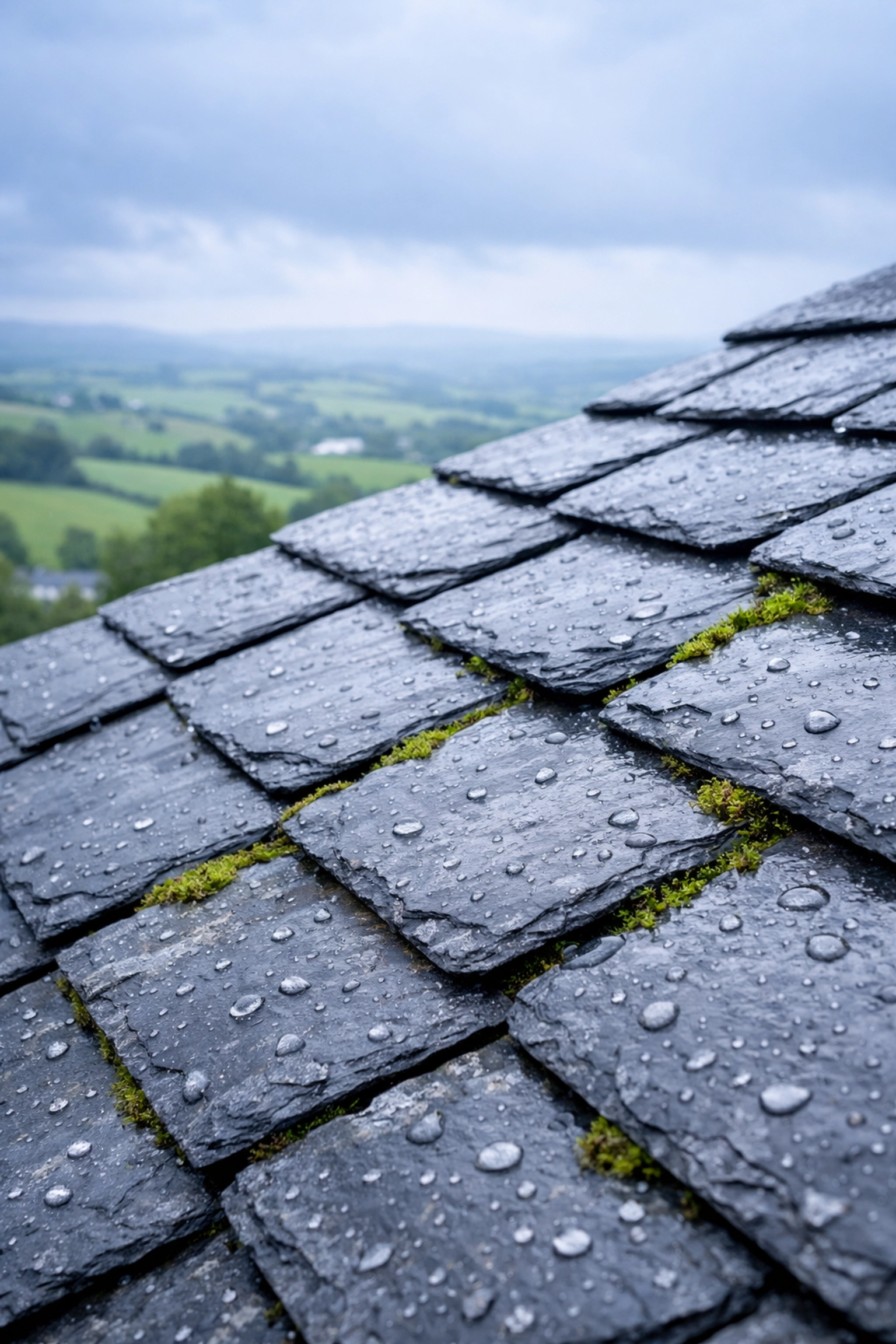
Weathered slate roof tiles with moss growth in Omagh showing need for roof survey

What Our Comprehensive Roof Survey Includes

At Advanced Construction & Roofing, we don't just look at your roof: we conduct a thorough, multi-point inspection that covers every critical component. Our surveyors are fully qualified, insured, and experienced with all types of roofing found across Omagh, from traditional slate and tile to modern felt and metal systems.

External Roof Inspection

We begin with a detailed external assessment of your entire roof structure. This includes:

Roof coverings: We inspect every tile, slate, or sheet to identify cracks, slippage, missing elements, or deterioration. Omagh's older properties often feature natural slate that can become porous over time: we check for this specifically.

Flashings and weatherproofing: The junctions around chimneys, valleys, dormers, and abutments are critical weak points. We examine all lead work, mortar fillets, and sealants for integrity.

Gutters and drainage: Blocked or damaged gutters cause water to back up under roof coverings. We check the full rainwater system for proper falls, secure fixings, and clear flow.

Chimneys and ridge lines: We assess pointing condition, pot security, and ridge tile mortar: all areas that deteriorate faster in exposed locations.

Roof timbers (where visible): From external vantage points, we look for signs of sagging, movement, or structural concerns.

Internal Loft Inspection

Where safe access exists, our surveyors inspect the loft space to assess:

  • Roof timber condition: Checking for rot, woodworm, inadequate sizing, or previous alterations
  • Sarking and underlayment: Assessing the condition of roofing felt or breathable membranes
  • Insulation levels: Noting whether current insulation meets modern standards
  • Ventilation: Checking for adequate airflow to prevent condensation and timber decay
  • Water ingress evidence: Looking for staining, dampness, or previous leak damage

Advanced Construction & Roofing Roof Survey Service A professional roof inspector examines ceiling damage and insulation while taking notes. The image promotes Advanced Construction & Roofing's roof survey service, offering visual surveys, photo evidence, defect identification, and in-depth analysis for property owners. Contact details and a website link are included for booking a survey.

Our Survey Process: What to Expect

When you book a roof survey with Advanced Construction & Roofing in Omagh, here's exactly what happens:

Step 1: Initial Contact
Contact our team by phone or through our website at https://adv-group.co.uk. We'll discuss your property type, location in Omagh, and specific concerns you may have.

Step 2: Survey Appointment
We'll arrange a convenient time to visit your property. Most residential roof surveys take between 1-2 hours depending on property size and complexity.

Step 3: On-Site Inspection
Our qualified surveyor conducts the comprehensive internal and external inspection. We use professional photography to document all findings and provide visual evidence.

Step 4: Detailed Report
Within 3-5 working days, you'll receive a comprehensive written report including:

  • Full photographic evidence of all areas inspected
  • Clear descriptions of defects found, categorized by urgency
  • Recommendations for repairs or maintenance required
  • Estimated costs for remedial works (where possible)
  • Professional observations on overall roof condition and expected lifespan

Step 5: Follow-Up Consultation
We're available to discuss the report findings and answer any questions. If repairs are needed, we can provide detailed quotes for the work.

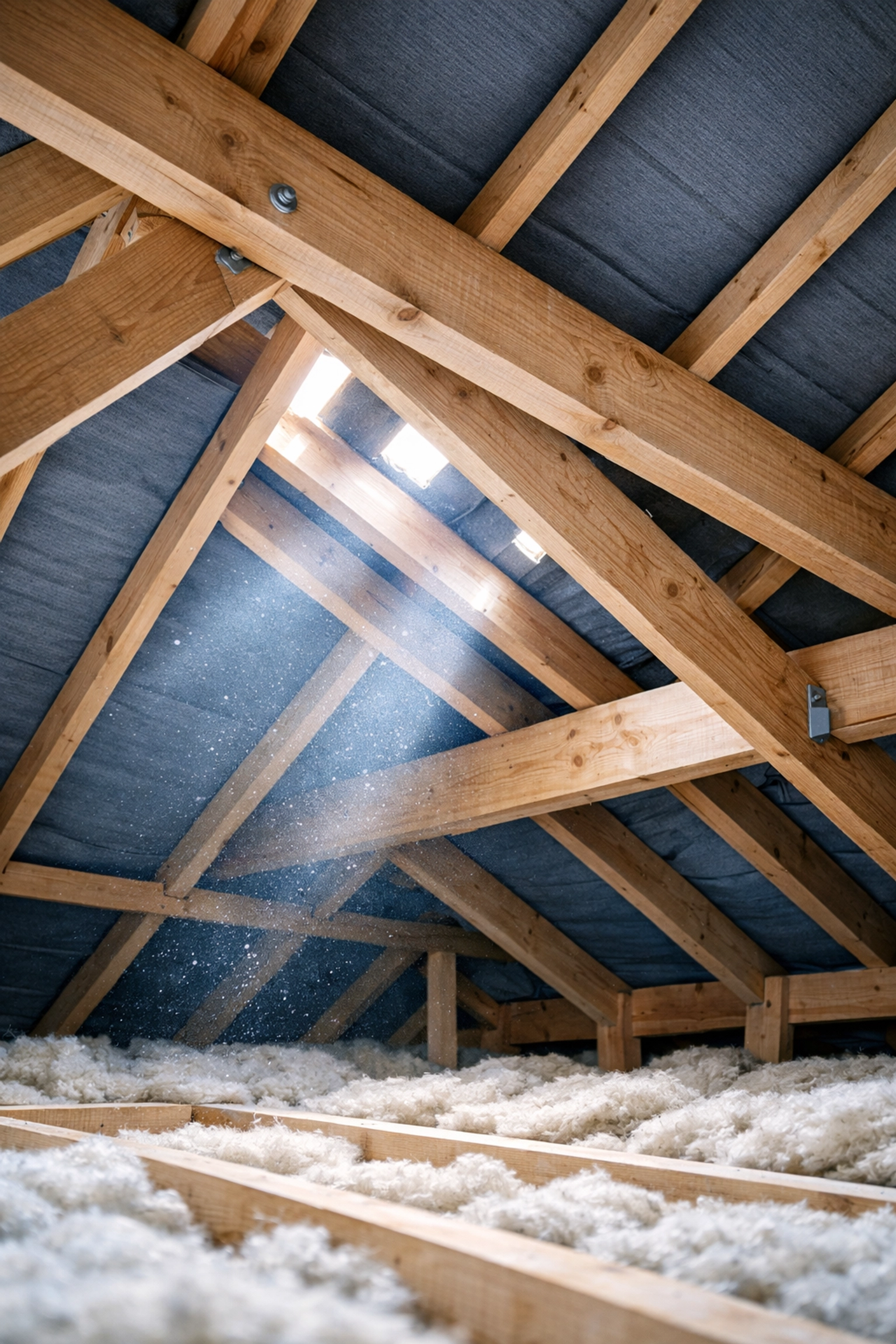
Interior loft inspection showing roof timber beams and insulation during survey

Why Roof Surveys Matter for Buyers

If you're purchasing a property in Omagh, a roof survey protects your investment. Standard homebuyer reports (Level 2 RICS surveys) typically include only limited roof inspection from ground level. Surveyors use disclaimers stating they couldn't access certain areas.

A dedicated roof survey gives you:

Negotiating power: Armed with detailed defect information, you can negotiate the purchase price or request that sellers complete repairs before completion.

Budget certainty: You'll know exactly what roof repairs or replacements will cost in the first 5-10 years of ownership. No nasty surprises six months after moving in.

Insurance clarity: Some insurance companies require roof surveys for older properties or specific construction types before providing cover.

Peace of mind: You're making potentially the biggest financial decision of your life. Knowing your roof is sound: or understanding exactly what needs fixing: is invaluable.

Roofer Roof Inspection in Rain A roofer conducts a detailed inspection of a leaking and damaged roof during heavy rain, identifying broken tiles, exposed timber, and visible moss. The technician is equipped with tools and assesses the extent of emergency repairs needed to prevent further water ingress.

Why Roof Surveys Matter for Sellers

If you're selling property in Omagh, commissioning a roof survey before listing gives you significant advantages:

Address issues proactively: Fix minor problems before they become deal-breakers during a buyer's inspection period.

Justify your asking price: A recent professional roof survey showing good condition is powerful marketing material.

Speed up transactions: Buyers and their solicitors have fewer concerns, reducing the risk of delays or failed sales.

Avoid last-minute negotiations: When buyers commission their own surveys and discover issues, they often demand significant price reductions at the last minute. Beat them to it.

Common Roof Issues We Find in Omagh Properties

Through our years of experience surveying properties across Omagh and County Tyrone, we regularly encounter specific issues:

Slipped or missing slates: Particularly common on older properties around the town centre where traditional slate roofs face wind exposure.

Deteriorated flashings: Lead work around chimneys often fails first, causing water ingress that damages internal timbers.

Moss and organic growth: Omagh's damp climate encourages moss growth that holds moisture against roof coverings, accelerating deterioration.

Inadequate ventilation: Many older lofts lack proper ventilation, leading to condensation, timber rot, and reduced insulation effectiveness.

Storm damage: Recent severe weather events have damaged many roofs across Northern Ireland. Small issues can quickly escalate if not identified and repaired promptly.

Aging felt underlayment: Properties from the 1960s-1980s often have deteriorating roofing felt that's reached the end of its lifespan.

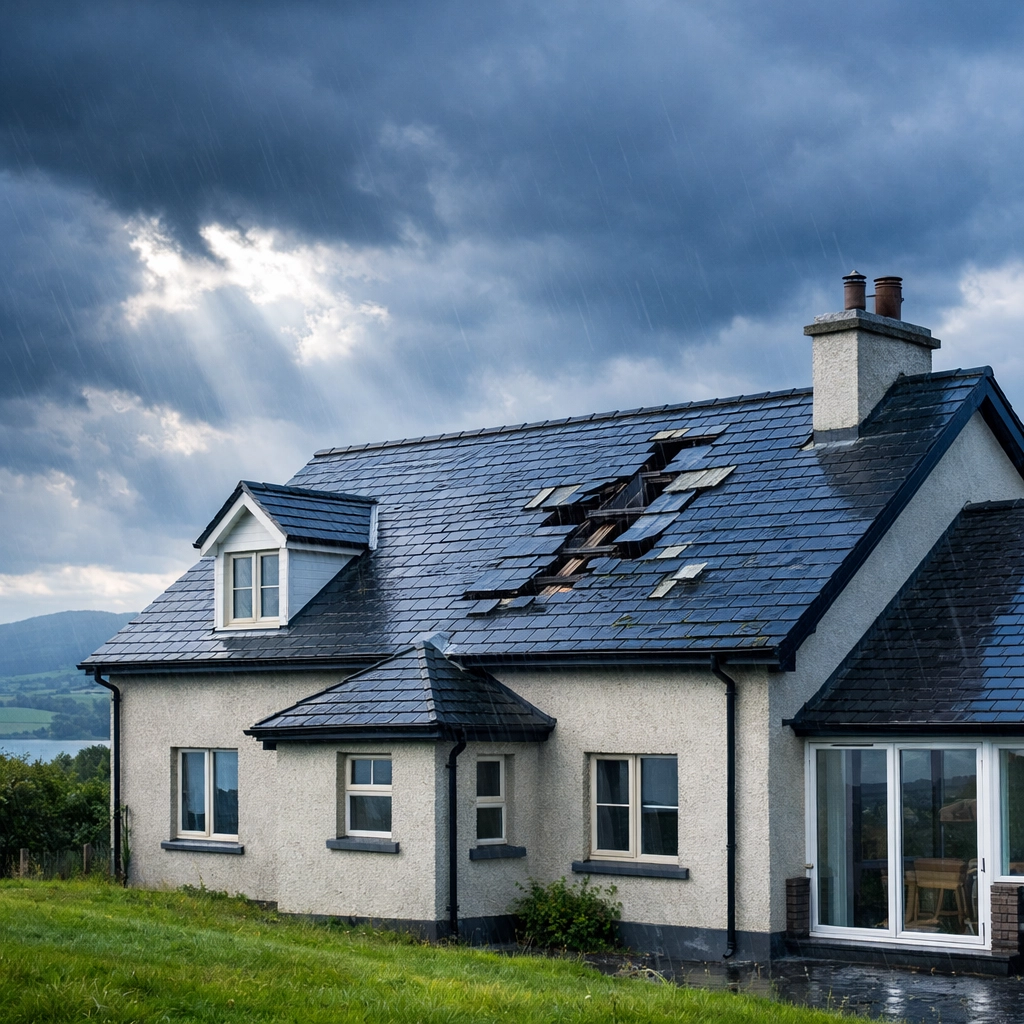
Omagh house with damaged slate roof during storm demonstrating weather exposure

How Much Does a Roof Survey Cost in Omagh?

At Advanced Construction & Roofing, we believe in transparent, honest pricing. Roof survey costs vary depending on property size, type, and access requirements, but typical residential surveys range from £250-£500.

Consider this: identifying a £3,000 roof repair before purchase could save you £10,000-£15,000 in negotiating power. Or discovering that a seemingly sound roof actually needs full replacement (£8,000-£15,000+) could save you from buying the wrong property entirely.

The cost of a professional roof survey is minimal compared to the financial protection it provides.

Book Your Omagh Roof Survey Today

Don't leave your biggest investment to chance. Whether you're buying your first home in Omagh, selling a property you've owned for years, or simply want peace of mind about your current roof condition, Advanced Construction & Roofing is here to help.

Our experienced surveyors know Omagh properties inside and out. We understand local building styles, common defects, and what Northern Ireland weather does to roofing systems over time.

Contact Advanced Construction & Roofing today:

Visit our website at https://adv-group.co.uk or call us directly to discuss your roof survey requirements. We'll provide a clear quote, arrange a convenient appointment, and deliver a comprehensive report that gives you complete clarity on your roof's condition.

Protect your property investment. Request your professional roof survey in Omagh now.

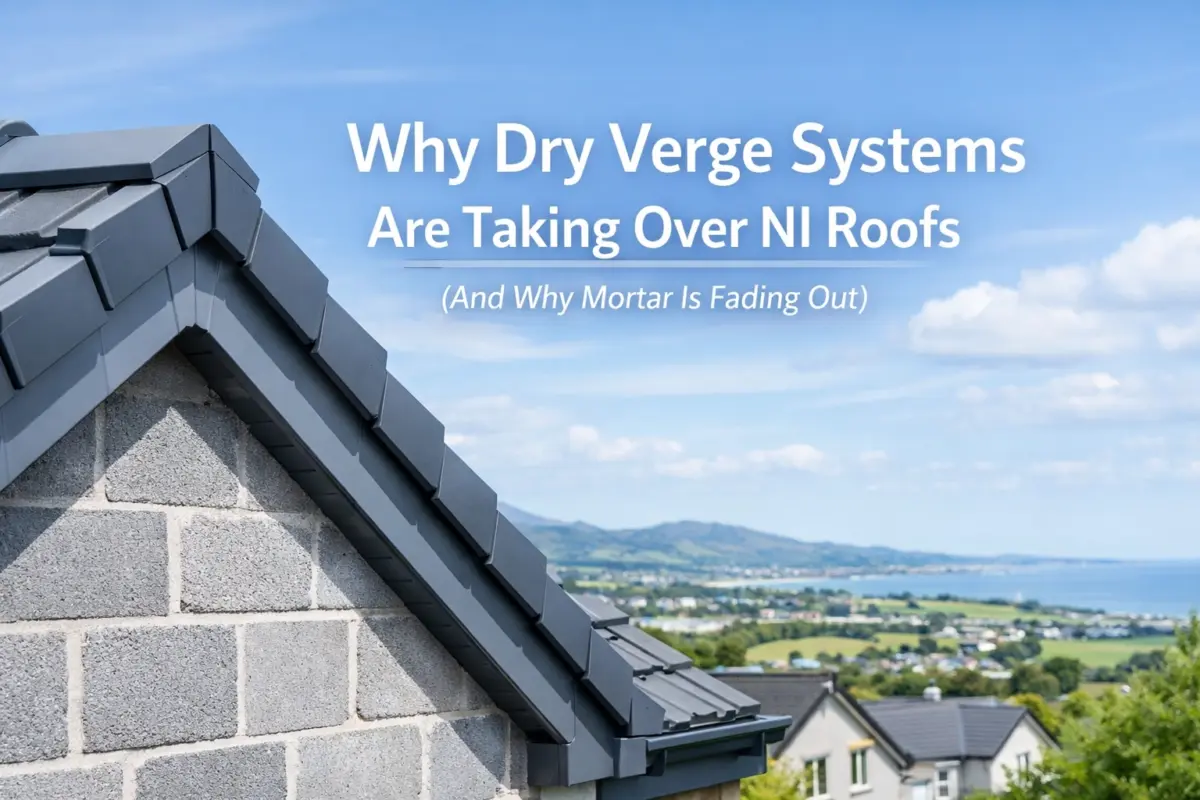
Why Dry Verge Systems Are Taking Over NI Roofs (And Why Mortar Is Fading Out)

For decades, the standard finish for roof edges across Northern Ireland was "wet verge": a simple mixture of sand and cement. You see it everywhere from the terraced streets of Belfast to the coastal homes of Bangor. However, as any homeowner who has dealt with crumbling mortar knows, traditional methods often struggle to stand up to the unique challenges of the NI climate.

At Advanced Construction & Roofing, we are seeing a massive shift. Homeowners are moving away from high-maintenance mortar and choosing dry verge systems. These systems are designed to offer a mechanical fix that provides better protection, cleaner aesthetics, and a much longer lifespan.

If you are tired of seeing cracked cement on your roofline or finding chunks of mortar in your gutters after a storm, it is time to understand why the dry verge is the future of Northern Ireland roofing.

What Is a Dry Verge System?

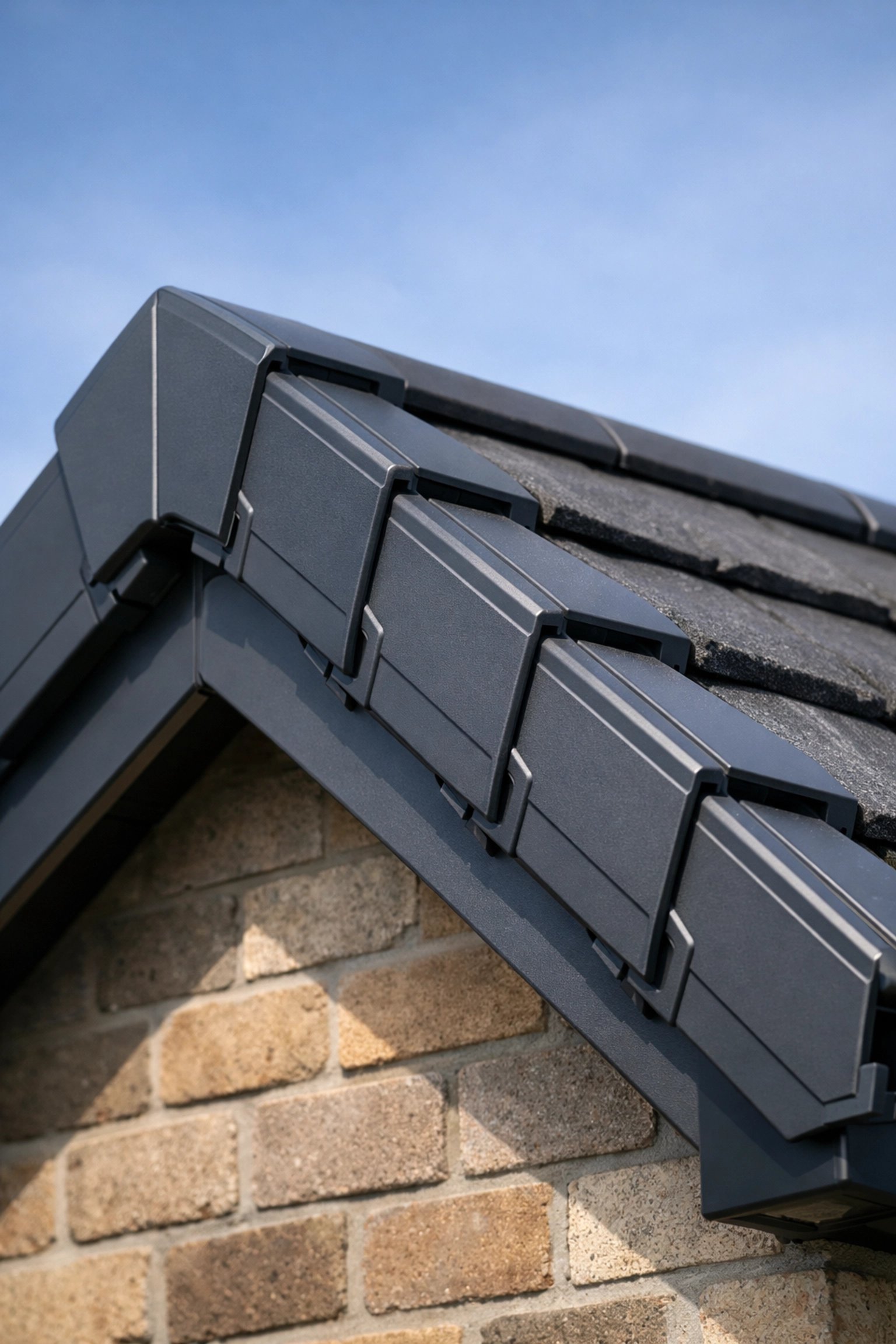
A dry verge system is a modern roofing solution that uses interlocking plastic caps to secure the edge of your roof tiles. Unlike traditional methods that rely on wet mortar to seal the "verge" (the outer edge of your roof), dry verge systems are mechanically fixed. This means they are screwed and clipped directly into the roof structure.

By eliminating the need for cement, you eliminate the weakest link in your roof’s defense. These systems are specifically engineered to provide a robust, weatherproof seal that moves with your house, rather than cracking against it.

Close-up of a modern anthracite-grey dry verge system providing a weatherproof seal on roof tiles.

Why Is Traditional Mortar Fading Out?

The decline of mortar-based roofing isn't a trend; it's a response to performance failure. In Northern Ireland, our weather is characterized by high humidity, frequent rainfall, and intense wind speeds. Traditional mortar is simply not built for this environment.

The Freeze-Thaw Cycle: Mortar is porous. It absorbs water. When temperatures drop in the winter: a common occurrence in places like Lisburn and Newtownards: that water freezes and expands. This causes the mortar to crack and crumble. Over time, the bond between the tiles and the roof weakens, leading to loose tiles and potential leaks.

Lack of Flexibility: Houses naturally settle and move over time. Because mortar is rigid, it cannot accommodate this movement. It cracks under pressure, requiring regular "repointing" (repairing the cement) every 5 to 10 years.

Poor Wind Resistance: During an Atlantic storm, the edges of your roof are under immense pressure. If your mortar is already weakened by the freeze-thaw cycle, the wind can easily get under the tiles and lift them off. This leads to costly emergency repairs.

How Do Dry Verge Systems Protect Your NI Home?

When we install a dry verge system at Advanced Construction & Roofing, we are providing more than just a cosmetic upgrade. We are installing a defense system tailored for the Northern Irish landscape.

1. Superior Storm Protection

Northern Ireland’s frequent gales make roof security a top priority. Dry verge units are mechanically fixed with screws and high-strength clips. This ensures that even in the highest winds, your tiles remain firmly in place. While mortar often acts as the first point of failure during a storm, a dry verge system acts as a shield.

2. Zero Maintenance Requirements

One of the biggest benefits is the "fit and forget" nature of the system. Once installed, there is no mortar to crack, fall out, or deteriorate. You won’t need to hire a roofer every few years to repoint your gables. This saves you significant money and stress over the lifespan of your roof.

3. Total Pest Prevention

Gaps in old mortar are an open invitation for birds, wasps, and mice. These pests can enter your roof space, damage your insulation, and create noise disturbances. Dry verge systems use a continuous, interlocking design that seals these gaps completely. Request a survey if you suspect pests are entering through your roofline; we can identify the entry points and seal them permanently.

4. Improved Energy Efficiency

A crumbling roof edge allows cold air to whistle into your attic and heat to escape your home. By providing a tighter, more consistent seal, dry verge systems help reduce drafts. This small improvement in thermal performance contributes to a more comfortable home and lower heating bills during the cold NI winters.

Roofer Roof Inspection in Rain

Why Northern Ireland Specifically Needs This Upgrade

If you live in a coastal area like Holywood or Carrickfergus, you are dealing with salt-laden air. Salt is incredibly corrosive to traditional building materials, accelerating the breakdown of cement. Advanced Construction & Roofing recommends dry verge systems for these areas because the high-grade plastic components are entirely resistant to salt corrosion and UV damage.

Furthermore, the speed of installation is a major factor. Traditional mortar work requires dry, stable weather to set properly. In Northern Ireland, finding a 48-hour dry window can be difficult. Dry verge systems can be installed in almost any weather condition, meaning your project won't be delayed by our unpredictable rain.

Is It a Good Investment?

We believe in transparency when it comes to pricing. While a dry verge system has a higher upfront cost than a bucket of mortar, the long-term economics are clear:

  • Faster Installation: Dry verge systems are installed up to 50% faster than traditional mortar methods. This reduces labor costs on the day of installation.
  • No Repair Costs: You eliminate the need for repointing every few years.
  • Increased Property Value: A modern, clean-looking roofline adds significant curb appeal and reassures potential buyers that the home has been well-maintained.
  • Avoid Emergency Call-Outs: By securing your tiles mechanically, you drastically reduce the risk of storm damage that leads to expensive emergency repairs.

Most homeowners in the Belfast area find that their dry verge system pays for itself within 5 to 10 years simply by eliminating the maintenance cycle of mortar.

Modern home in Northern Ireland with a durable black dry verge system for a maintenance-free roofline.

Why Choose Advanced Construction & Roofing?

With years of experience serving the Northern Ireland community, Advanced Construction & Roofing has established itself as a leader in modern roofing solutions. We don't just "slap on" a plastic cap; we ensure the underlying structure is sound and that the system is integrated perfectly with your existing tiles.

  • We Lead with Experience: We have successfully completed hundreds of dry verge installations across Belfast, Bangor, and beyond.
  • We Guarantee Quality: Every installation is performed by our highly trained technicians who understand the specific requirements of NI building regulations.
  • We Prioritize Honesty: If your roof isn't suitable for a dry verge system, we will tell you. We provide honest, no-nonsense advice to ensure you get the best result for your property.

"The team from Advanced Construction & Roofing replaced our old, crumbling mortar with a grey dry verge system. Not only does the house look ten times better, but we also didn't lose a single tile during the last big storm. Best investment we've made in the house." : T. Miller, Belfast

The Professional Roof Survey Service

If you aren't sure about the state of your current roof edge, don't wait for the next storm to find out. We offer a comprehensive Roof Survey Service that takes the guesswork out of maintenance.

Our surveys include:

  • Visual inspections of all verges and ridges.
  • Detailed photo evidence of any defects.
  • Identification of pest entry points.
  • A clear, fixed-price quote for any necessary upgrades.

Advanced Construction & Roofing Roof Survey Service

Take Action Before the Next Storm

Don't let a severe roof leak catch you off guard. Traditional mortar is a temporary fix for a permanent problem. By upgrading to a dry verge system, you are choosing durability, safety, and a maintenance-free future for your home.

Call Advanced Construction & Roofing today to discuss your options. Whether you are in Belfast, Lisburn, or anywhere in between, we are ready to help you secure your home.

  • Visit our website: https://adv-group.co.uk
  • Request a Quote: Contact us via our online form for a rapid response.
  • Book a Survey: Get a professional assessment of your roof’s health today.

Protect your home. Prevent the repairs. Choose a Dry Verge System.

Why Better Roof Ventilation Will Change the Way You Pay Your Heating Bills

When you think about saving money on your heating bills in Northern Ireland, you probably think about triple-glazed windows, thick wall insulation, or turning the thermostat down a notch. You likely don’t think about your roof breathing. However, at Advanced Construction & Roofing, we have seen time and again how poor roof ventilation is the silent thief in many Belfast homes, stealing heat and driving up energy costs month after month.

Most homeowners believe that the goal of a warm home is to seal everything up tight. While air tightness is important for efficiency, a roof that cannot "breathe" creates a cascade of thermal problems. If your attic is poorly ventilated, you aren't just risking mould; you are actively forcing your boiler to work harder than it needs to.

Is Your Attic Costing You Money Every Single Month?

The connection between roof ventilation and your heating bill comes down to one word: Moisture. In a climate like ours in Northern Ireland, humidity is a constant companion. Inside your home, everyday activities like showering, cooking, and even breathing release gallons of water vapour into the air. This warm, moist air naturally rises.

Without proper roof ventilation, this moisture gets trapped in your attic space. When it hits the cold underside of your roof tiles, it turns into condensation. This isn't just a bit of dampness; it is a direct assault on your home's thermal efficiency.

  • We stop the cycle of heat loss.
  • We protect your insulation’s integrity.
  • We ensure your heating system works for you, not against the attic.

Why Wet Insulation is Your Bank Account’s Worst Enemy

Insulation works by trapping pockets of air. This "thermal resistance" (often called the R-value) is what keeps the heat in your living rooms and out of the clouds. However, insulation is only effective when it is dry.

When your roof ventilation is inadequate, condensation drips from the rafters directly into your glass wool or rock wool insulation. Wet insulation does not work. Even a small amount of moisture can reduce the effectiveness of your attic insulation by over 50%.

When your insulation becomes damp, it stops being a blanket and starts being a conductor. Instead of keeping heat in your home, it draws it out. This forces your heating system to run longer and more frequently to maintain a comfortable temperature. By investing in proper roof ventilation, you are essentially "waterproofing" your home’s thermal barrier.

Advanced Construction & Roofing Roof Survey Service

The Science of Airflow: How it Lowers Your Costs

A balanced roof ventilation system operates on a simple principle: intake and exhaust. Cool, fresh air is drawn in through the soffits (the underside of your roof edges) and warm, moist air is exhausted through the ridge (the very top of your roof).

In the winter, this constant flow of air prevents the attic temperature from becoming lopsided. If your attic is too warm because of trapped air, it can lead to "thermal bridging," where the temperature difference between the inside and outside of the roof structure causes rapid heat transfer.

How a balanced system saves you money:

  1. Regulated Attic Temperature: Prevents the "oven effect" that can degrade roofing materials and insulation over time.
  2. Moisture Removal: Swiftly carries away humid air before it can settle into your ceiling joists.
  3. Pressure Balancing: Reduces the "stack effect" where warm air is sucked out of your living spaces through gaps in the ceiling.

Modern slate roof with a dry ridge ventilation system installed to improve air circulation and energy efficiency.

15% Savings: The Real Financial Impact

You don’t have to take our word for it: the data backs it up. Research from energy departments and building scientists suggests that pairing high-quality insulation with professional roof ventilation can reduce overall heating and cooling costs by approximately 15%.

For a standard semi-detached or detached home in Belfast, where heating bills can easily top £1,500 to £2,000 annually, a 15% saving represents hundreds of pounds back in your pocket every single year. Over the lifespan of a roof, this adds up to thousands.

At Advanced Construction & Roofing, we believe in transparency. We don't just tell you that you need more vents; we show you why. We provide comprehensive roof surveys that identify exactly where your heat is escaping and where your ventilation is failing.

Common Signs Your Ventilation is Driving Up Your Bills

How do you know if your roof ventilation is the reason for those high winter bills? Look for these "red flags" in your home:

  • Mould on the bedroom ceilings: Often a sign that the attic above is saturated with moisture.
  • A "musty" smell in the upstairs hallway: This indicates stagnant air in the roof space.
  • Damp patches on attic rafters: Look for dark staining or actual water droplets.
  • High humidity levels indoors: If your windows are constantly fogged up, your roof likely isn't venting that moisture out.
  • Excessive moss growth on the roof: While moss is common in NI, poor ventilation can keep roof tiles damp for longer, encouraging growth that damages your roof structure.

Roofer Roof Inspection in Rain

The Northern Ireland Factor: Why Our Climate Demands Better Vents

Belfast and the surrounding areas experience a unique mix of high humidity and driving rain. This means our roofs have to work harder than those in drier climates. A standard "off-the-shelf" venting solution often isn't enough for an NI home.

We specialise in tailored solutions like Dry Ridge and Dry Verge systems, which not only provide superior weather protection but also incorporate built-in ventilation pathways that don't clog or degrade like old-fashioned mortar.

  • We understand Belfast weather.
  • We use materials designed for the UK climate.
  • We provide long-term solutions, not temporary fixes.

Why Choose Advanced Construction & Roofing?

With years of experience serving the Northern Ireland community, Advanced Construction & Roofing has established itself as a leader in energy-efficient roofing solutions. We aren't just "fixing leaks"; we are specialists in building science.

  • Expert Diagnosis: Our team uses the latest diagnostic tools to find the root cause of your heat loss.
  • Proven Results: We have helped hundreds of homeowners in Belfast lower their energy bills through smart ventilation upgrades.
  • Professional Integrity: We provide honest advice and clear, upfront pricing. No hidden extras, no jargon.
  • Qualified Technicians: All our work is carried out by fully trained and insured professionals who take pride in their craft.

We offer more than just roofing. Our expertise extends to full property refurbishments, ensuring that your home is efficient from the foundation to the ridge tile. If you are looking to upgrade your interior alongside your roof, check out our garden design Belfast or garden turfing services to complete your property's transformation.

Don't Let Your Money Evaporate Through Your Roof

The longer you wait to address poor roof ventilation, the more money you are essentially throwing away. A damp attic doesn't just raise your bills; it actively rots your roof timbers, leading to incredibly expensive structural repairs down the line.

Emergency Roofing Repair

Request a professional roof survey today. Let us show you how a few smart changes to your roof’s airflow can result in a warmer home and a smaller heating bill.

Call Advanced Construction & Roofing now. We are ready to help you take control of your home's energy efficiency. We serve Belfast and all surrounding areas in Northern Ireland.

Contact us today via our website: https://adv-group.co.uk

Summary of Benefits:

  • Lower Heating Bills: Save up to 15% on annual energy costs.
  • Protect Your Home: Prevent mould, rot, and structural damage.
  • Increase Comfort: Maintain a steadier, more comfortable temperature throughout your home.
  • Boost Property Value: A well-ventilated, energy-efficient roof is a major selling point.

Stop paying for heat that disappears. Start breathing easy with a professionally ventilated roof from Advanced Construction & Roofing.

Dry Ridge vs. Traditional Mortar: Which Is Better for the Northern Ireland Climate?

When you live in Northern Ireland, your roof is your first line of defense against some of the most unpredictable weather in the UK. From the horizontal rain of a Belfast winter to the gale-force winds whipping off the Atlantic, your home takes a beating. Historically, we relied on traditional mortar: a mix of sand and cement: to hold our ridge tiles in place. But times have changed, and so has the technology protecting our homes.

At Advanced Construction & Roofing, we have spent over 20 years repairing, replacing, and surveying roofs across Northern Ireland. We have seen firsthand how different materials stand up to the local climate. If you are wondering whether to stick with traditional mortar or upgrade to dry ridge systems, this guide will break down exactly why one is far superior for the modern NI homeowner.

Why Traditional Mortar Struggles in Northern Ireland

For decades, mortar was the industry standard. It was cheap, accessible, and did the job: until it didn’t. In the specific context of the Northern Ireland climate, mortar has several fatal flaws that lead to premature failure.

The issue is fundamentally about moisture and temperature. Mortar is a porous material. In a region where it rains significantly more often than it doesn't, that mortar is constantly damp. When the temperature drops: as it frequently does in Belfast, Lisburn, and Derry: the water trapped inside the mortar freezes and expands. This "freeze-thaw" cycle creates micro-cracks. Over time, these cracks grow until the bond between the tile and the roof is broken.

Typical failure occurs within 5 to 10 years. It is not a matter of if traditional mortar will fail on a Northern Ireland roof; it is a matter of when. Once the mortar cracks, it begins to fall out in chunks, often landing in gutters or on driveways. This leaves your ridge tiles loose, making them prime targets for the next big storm.

Roofer Roof Inspection in Rain

What are Dry Ridge Systems?

A dry ridge system is a modern, mortar-free method of securing ridge tiles to a roof. Instead of relying on a wet sand-and-cement mix that can crack and degrade, these systems use mechanical fixings. This involves high-quality screws and clamps that physically bolt the ridge tiles to the roof structure.

Request a professional assessment from Advanced Construction & Roofing today to see if your current ridge is still secure.

The Benefits of Dry Ridge Systems for NI Homeowners

Switching to a dry ridge system isn't just a trend; it's a structural upgrade that addresses the specific weaknesses of NI housing. Here is why we recommend them to our clients in every project we undertake.

1. Incredible Weather Resistance

Unlike mortar, the mechanical fixings used in dry ridge systems do not degrade when exposed to constant moisture. They do not crack in the frost, and they do not wash away in heavy rain. Whether you are facing a coastal breeze in Bangor or a heavy downpour in Newry, your ridge tiles remain firmly anchored.

2. Superior Ventilation and Condensation Control

One of the hidden killers of Northern Ireland roofs is attic condensation. When we heat our homes, warm air rises into the roof space. Without proper ventilation, this air hits the cold underside of the roof tiles, turns into water, and causes mold and rot.

Traditional mortar creates a completely sealed ridge, trapping that air inside. Dry ridge systems incorporate built-in ventilation channels. These allow your roof to "breathe," letting damp air escape and preventing the structural timbers of your home from rotting.

3. Resistance to High Winds and Storms

Northern Ireland is no stranger to high winds. During a storm, traditional mortar ridges are prone to "lifting" as the wind creates pressure differences. If the mortar is already cracked, a single gust can blow a ridge tile clean off your roof.

The mechanical screws of a dry ridge system provide exceptional resistance to wind lift. Even in severe weather, the tiles stay exactly where they were installed. This drastically reduces the risk of emergency repairs and potential injury from falling masonry.

Modern dry ridge systems with mechanical fixings and ventilation strips installed on a slate roof.
(Suggested: A close-up detail of a dry ridge mechanical fixing and ventilation strip installed on a slate roof)

The Cost-Benefit Reality: Saving You Money Long-Term

As a professional roofing company, we believe in transparency. Dry ridge systems do have a higher upfront material cost than a bag of sand and cement. However, the long-term economics tell a different story.

  • Faster Installation: A professional team can install 10 meters of dry ridge in about 2.5 hours, whereas a traditional mortar ridge can take up to 6 hours. This lowers your labor costs significantly.
  • Zero Maintenance: Traditional mortar requires waterproofing and repointing every few years to stay functional. Dry ridge is a "set it and forget it" solution.
  • Preventing Damage: By preventing ridge tile failure and attic mold, you avoid the massive costs associated with interior water damage and structural timber replacement.

Contact Advanced Construction & Roofing for an honest, transparent quote on upgrading your roof.

Does Your Home Meet Modern Building Standards?

If you are looking to sell your property or are currently in the process of buying one, the state of the roof is a major factor. Current British Standards (BS 5534) now dictate that all new roofs must have mechanically fixed ridge tiles. Even if mortar is used for aesthetic reasons, it must be supplemented with mechanical fixings.

Many older homes in Northern Ireland still rely on outdated "wet" ridges. During a professional survey, these are often flagged as potential risks.

Advanced Construction & Roofing Roof Survey Service

Call us today to book a comprehensive roof survey. We provide visual evidence, photo identification of defects, and in-depth analysis to ensure your home is up to code. You can find more details about our roof survey services here.

What Our Customers Say

Don't just take our word for it. We have helped hundreds of homeowners across Northern Ireland secure their properties.

"After every big storm, I used to find bits of mortar on my driveway. I was constantly worried a tile would fall. Advanced Construction & Roofing installed a dry ridge system last year, and I haven't had a single issue since. It looks much cleaner, too!"
: David M., Belfast

"The team was professional, fast, and left the site spotless. They explained exactly why my old mortar was failing and showed me the new system in action. Highly recommend their expertise."
: Kelly R., Newtownards

Why Choose Advanced Construction & Roofing?

When it comes to your home, you shouldn't settle for "good enough." You need a solution that is built to last in the unique Northern Ireland environment.

  • 20+ Years of Local Experience: We understand the specific challenges of NI architecture and weather.
  • Professional Credentials: We are fully insured and highly qualified roofers who take pride in every joint and fixing.
  • No-Nonsense Advice: We won't sell you something you don't need. If your mortar is in great shape, we’ll tell you. If it’s a disaster waiting to happen, we’ll show you why.
  • Complete Exterior Solutions: Beyond roofing, we handle everything from garden design in Belfast to walls and screens.

Conclusion: Protect Your Home Today

The debate between dry ridge and traditional mortar is over. For durability, ventilation, wind resistance, and long-term value, dry ridge systems are the undisputed winner for Northern Ireland homes. Don't wait for the next winter storm to find out your mortar has failed.

Take the first step toward a safer, drier home.

  • Call us now to speak with a roofing expert.
  • Request a quote via our website at https://adv-group.co.uk.
  • Schedule a roof survey to identify potential issues before they become expensive emergencies.

Protect your investment. Secure your roof. Choose Advanced Construction & Roofing.