


As August draws to a close, now is the right time to prepare your roof for autumn and winter. Northern Ireland’s wet, windy weather can quickly expose small defects, turning a slipped slate or blocked gutter into serious water damage.
With over 25 years of roofing experience, Advanced Roofing Systems helps homeowners across Belfast, Bangor and Newtownards understand what their roof needs before winter arrives.
Start with the right diagnosis. Complete this checklist from the ground and inside your loft, then request professional roof surveys if you find anything concerning.
“Excellent professional service from Advanced Construction & Roofing: very reliable, courteous, honest and competitively priced. Highly skilled and knowledgeable in all aspects of roofing.”
: Christine McCappin, customer review
Why should you arrange a roof check before winter?
A roof does not need to be visibly collapsing to have a problem. Minor defects can allow wind-driven rain into the roof structure, loft insulation and ceilings. Once temperatures drop and storms become more frequent, repairs can also become more disruptive.
A professional roof survey can identify:
- Slipped, cracked or missing slates and tiles
- Blocked or damaged gutters and downpipes
- Failed flashing, leadwork or chimney pointing
- Loose ridge and verge tiles
- Cracks, blisters or ponding on flat roof membranes
- Moss and debris holding moisture against the roof
- Loft condensation, damp and poor ventilation
Check early. Record what you find. Request advice before the weather deteriorates.
If you want a detailed inspection rather than a quick visual check, learn more about our professional roof surveys. Where appropriate, our drone roof survey is priced at £295 + VAT and provides clear visual evidence to support an honest report.
1. Are any slates or tiles slipped, cracked or missing?
Walk around your property on a dry day and inspect the roof from the ground. Use binoculars if necessary, but do not walk on the roof yourself.
Look for:
- Slates or tiles sitting lower than the surrounding rows
- Cracked, chipped or missing tiles
- Gaps where daylight may enter
- Tiles lying in gutters or on the ground
- Uneven areas across the roof slope
- Water staining on external walls below damaged sections
Even one slipped tile can allow rain into the underlay and roof timbers. Wind can then make the damage worse.
Do not assume that a small defect is harmless. Request a roof survey or repair assessment before the first serious autumn storms.
See our slate and tile roofing services for homes and businesses across Belfast, Bangor and Newtownards.

2. Are your gutters, downpipes and outlets clear?
Autumn leaves, moss and windblown debris can quickly block gutters. When water cannot drain properly, it may overflow onto fascias, brickwork and external walls.
Check for:
- Gutters filled with leaves, moss or silt
- Sagging sections or loose brackets
- Cracked joints and leaking connections
- Water marks below the gutter line
- Downpipes pulling away from the wall
- Standing water after rainfall
- Blocked outlets on flat roofs, garages or extensions
Clean gutters after most leaves have fallen, then check them again during periods of heavy leaf fall. Make sure downpipes discharge water safely and that gullies are not covered by debris.
If gutters continue to overflow after cleaning, the problem may involve incorrect falls, damaged sections or a hidden blockage. Call for professional advice instead of repeatedly clearing the same symptom.
A roof survey can assess the roof drainage system as part of the wider inspection and identify whether water is entering from the roof, guttering or flashing.
3. Is the flashing and leadwork still watertight?
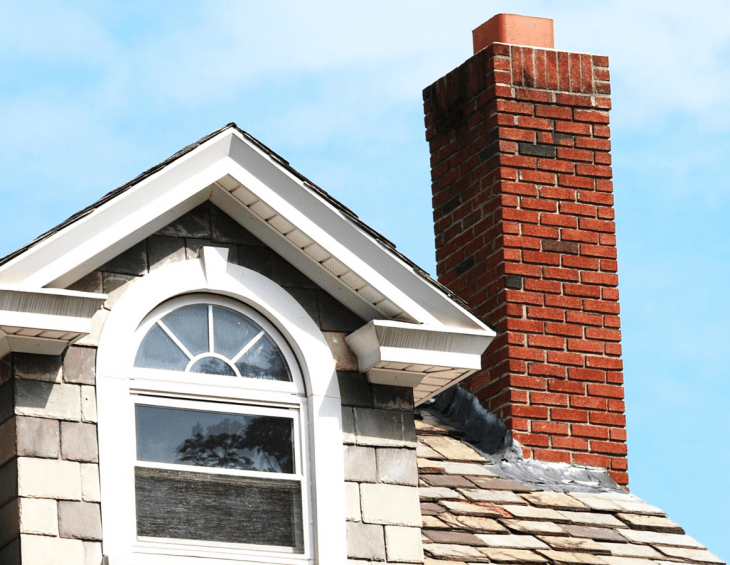
Flashing protects the vulnerable junctions where your roof meets a chimney, wall, roof window or extension. Leadwork can lift, split, crack or become detached over time.
From the ground, look for:
- Lifted or curling lead
- Cracks around chimney junctions
- Gaps between flashing and brickwork
- Temporary-looking patches
- Dark staining below chimneys or wall abutments
- Damaged seals around roof windows, vents and pipes
Do not attempt to repair leadwork from a ladder. The area may be difficult to access safely, and an incorrect repair can direct water further into the roof.
Arrange an inspection when you see damaged flashing, staining or a recurring leak. Advanced Roofing Systems provides chimney repairs and leadwork throughout Belfast, Bangor, Newtownards and surrounding areas.
“Advanced Construction & Roofing provided a very courteous, professional and reliable service in replacing our three flat roofs. Charles Howard is very knowledgeable and kept us up to date with what was happening as the work progressed.”
: Mervyn Henry, customer review
4. Are your ridge and verge tiles secure?
Ridge tiles run along the highest point of a pitched roof. Verge tiles protect the roof edges at the gable ends. Both areas are exposed to strong winds, making them particularly important before winter.
Check for:
- Ridge tiles that look loose or uneven
- Crumbling or missing mortar
- Gaps along the roof edges
- Loose or missing verge tiles
- Mortar fragments in the gutters
- Movement during windy weather
Older mortar bedding can deteriorate gradually. A ridge tile may appear secure but still be vulnerable to high winds.
If your roof has an older mortar system, ask whether repair, rebedding or a dry ridge or verge system is more suitable. The correct solution depends on the roof design and condition.
Do not wait for a ridge tile to fall. Request a roof survey and deal with movement early.
5. Is your flat roof membrane free from damage and standing water?
Flat roofs require particular attention before the wetter months. Check extensions, garages, porches, dormers and commercial flat roofs for signs of deterioration.
Look for:
- Cracks or splits in the membrane
- Blisters or bubbles
- Loose edges and failing seals
- Damaged rooflight details
- Pooled water that remains after rainfall
- Leaves and moss around drainage outlets
- Damp patches on ceilings beneath the roof
Standing water can place additional stress on a membrane and may indicate blocked outlets, poor falls or a wider drainage issue. Do not cover the problem with another temporary patch without understanding the cause.
Advanced Roofing Systems installs and repairs EPDM flat roofing and liquid roofing systems for properties across Belfast, Bangor and Newtownards.
Inspect the membrane. Clear the outlets. Request a professional assessment when water continues to pond.
6. Has moss or debris built up on the roof?
Moss and debris can retain moisture against slates, tiles and membrane edges. Debris can also block valleys, gutters and flat roof outlets.
Check around:
- Valleys and roof junctions
- Chimneys and dormers
- Roof windows and skylights
- Flat roof edges and outlets
- Gutters and downpipes
- Areas beneath overhanging trees
Avoid aggressive scraping, pressure washing or walking across the roof. These actions can damage tiles, dislodge protective coatings and disturb flashing.
A professional can determine whether moss is simply surface growth or whether it is contributing to drainage and moisture problems. Ask for the cause to be assessed before paying for extensive cleaning or replacement work.
That is why Advanced Roofing Systems focuses on detailed roof surveys, clear reports and honest recommendations. We do not recommend work that is not genuinely required.
7. Is your loft dry, adequately ventilated and free from condensation?
A roof check is not complete until you inspect the loft. Choose a bright, dry day and use a torch. Never touch electrical wiring or enter an unsafe loft space.
Look for:
- Damp patches on rafters or roof timbers
- Dark staining, mould or signs of rot
- Sagging underlay or areas holding water
- Daylight showing through unexpected gaps
- Wet or compressed insulation
- Condensation on the underside of the roof
- Blocked eaves or soffit vents
- Insulation pushed into ventilation channels
- Musty smells that return after airing
Condensation can look like a roof leak. If moisture appears without a clear point of entry from above, poor ventilation may be contributing to the problem. Loft insulation must be installed properly without blocking airflow at the eaves.
For more practical guidance, read our article on roof ventilation mistakes and damp attics.
Do not guess whether moisture is condensation or a leak. Request a professional roof survey and get the cause identified.
“The staff were courteous and knowledgeable and carried out the work on my property with the minimum of disruption. The site was left impeccably clean and tidy on completion.”
: Sandra Bailie, customer review
What should you do if you find a problem?
Take photographs from a safe position and note when you first noticed the issue. If water is entering your home, place a container beneath the drip and move furniture away from the affected area. Do not climb onto the roof during rain, strong winds or frost.
Then contact Advanced Roofing Systems. We can inspect the roof, explain the findings clearly and recommend the most appropriate next step.
Depending on the condition of your roof, that may be:
- A minor slate or tile repair
- Gutter or downpipe repairs
- Chimney or leadwork repairs
- Flat roof membrane repairs
- Improved loft ventilation
- A complete roof refurbishment or replacement
We provide:
- Free, no-obligation quotes
- No call-out charges
- Detailed roof surveys and reports
- Honest advice with no upselling
- Insurance-backed guarantees
- High-quality materials and workmanship
If your roof has already suffered storm damage or an active leak, use our emergency roofing call-out service.
Request your autumn roof survey in Belfast, Bangor or Newtownards
Do not wait for winter to reveal a problem. Request a professional roof survey now, while there is still time to complete any necessary repairs before the worst weather arrives.
Call our local offices:
- Bangor: 02891 071279
- Belfast: 02890 726126
Advanced Roofing Systems serves homeowners, landlords, property managers and businesses throughout Belfast, Bangor, Newtownards and across Northern Ireland.
Get the right information. Get an honest recommendation. Get your roof ready for winter.