Dry Ridge vs. Mortar: Which is better for your Belfast home?

When it comes to protecting your property in Northern Ireland, your roof is the first line of defense against the elements. For decades, traditional mortar bedding was the standard for securing ridge tiles. However, with the evolution of building standards and the increasing intensity of our local weather, many homeowners in Belfast, Bangor, and Newtownards are asking: Is dry ridge better than mortar?

At Advanced Construction & Roofing, we have over 25 years of industry experience diagnosing and repairing roofs across the country. We believe every job should start with the right diagnosis, and choosing the right ridge system is a critical part of that process. Whether you are looking for a long-term solution to recurring leaks or simply want to upgrade your home’s durability, understanding the difference between these two systems is essential.

Request a professional roof survey today to see which system is right for your home. Call us now to speak with a roofing expert.


Why the ridge of your roof matters

The ridge is the highest point of a pitched roof, where two roof slopes meet. It is one of the most vulnerable areas for water ingress and wind damage. If the ridge fails, your entire roof structure is at risk.

In Northern Ireland, our unique climate, characterized by high winds, heavy rain, and frequent freeze-thaw cycles, places extreme stress on roof ridges. Choosing the wrong system can lead to expensive repairs, damp lofts, and compromised safety.


The Traditional Choice: Mortar Bedded Ridges

For generations, mortar has been the go-to material for roofing. It involves using a mixture of sand and cement to "bed" the ridge tiles onto the roof.

The benefits of traditional mortar

  • Aesthetic Appeal: Mortar provides a smooth, traditional finish that many owners of heritage or period properties in Belfast prefer.
  • Cost-Effective Initially: The materials for mortar bedding (sand and cement) are relatively inexpensive compared to specialized dry ridge kits.

The risks of mortar in Northern Ireland

Despite its history, mortar has significant drawbacks in the NI climate:

  1. Freeze-Thaw Damage: Mortar is porous. It absorbs moisture, which then freezes and expands during cold spells. This causes the mortar to crack and crumble over time.
  2. Lack of Flexibility: Buildings naturally move and settle. Because mortar is brittle, any minor structural movement can cause the bedding to crack.
  3. High Maintenance: Mortar requires regular inspections and repointing. Failing to maintain it can lead to tiles being dislodged during storms.

Close-up of a deteriorating flat roof edge with cracked mortar and moss growth, illustrating the common failures of traditional mortar in damp climates like Northern Ireland.


The Modern Solution: Dry Ridge Systems

A dry ridge system uses mechanical fixings, typically screws, clamps, and waterproof unions, to secure the ridge tiles. It eliminates the need for mortar entirely.

Why dry ridge is winning in Belfast

  • Weather Resistance: Dry ridge systems are designed to be storm-proof. Tiles are mechanically fastened to the roof structure, making them significantly more secure during the high winds common in Bangor and Newtownards.
  • Maintenance-Free: Once installed, a dry ridge system is a "fit and forget" solution. It does not crack, crumble, or wash away, saving you money on future repairs.
  • Built-in Ventilation: Most dry ridge kits include a ventilated roll that allows the roof space to breathe. This reduces the risk of condensation and dampness in your loft.
  • Compliance with Standards: Modern British Standards (BS 5534) now require all ridge tiles to be mechanically fixed. A dry ridge system ensures your roof is fully compliant and safe.

Contact Advanced Construction & Roofing for a free, no-obligation quote on upgrading to a dry ridge system.


Comparing the Two: At a Glance

Feature Dry Ridge System Traditional Mortar
Durability High (Not affected by frost) Low (Prone to cracking)
Maintenance Zero (Fit and forget) Frequent (Requires repointing)
Wind Resistance Superior (Mechanically fixed) Moderate (Can blow off if mortar fails)
Ventilation Built-in (Prevents damp) None (Can trap moisture)
Appearance Modern Traditional
Best For Most modern NI homes Heritage or listed buildings

What our customers say

Don't just take our word for it. We pride ourselves on clear, honest reporting and high-quality workmanship.

"We had constant issues with our ridge tiles blowing off every winter. Advanced Construction & Roofing recommended a dry ridge system. Since the installation, we haven't had a single issue, even through the last big storms. Professional and honest service."
, J. Thompson, Belfast

"I was worried about the cost of a full roof replacement, but the team provided a detailed survey that showed only the ridge needed upgrading. They saved me thousands. Highly recommend their professional roof surveys."
, S. O'Neill, Newtownards


The Verdict: Which should you choose?

For the vast majority of homeowners in Northern Ireland, the dry ridge system is the superior choice. While the initial material cost may be slightly higher, the long-term savings on maintenance and the peace of mind during storm season make it an easy decision.

However, if you own a listed building or live in a conservation area in Belfast where the traditional look is legally required, mortar may be your only option. In these cases, we recommend a "best of both worlds" approach: bedding the tiles in mortar for the aesthetic while using hidden mechanical fixings to ensure safety and compliance.

Request your professional roof inspection

At Advanced Construction & Roofing, we don't guess, we diagnose. With over 25 years of industry experience, we provide detailed, professional roof surveys that give you the full picture of your roof's health.

  • Request a detailed roofing survey to identify defects.
  • Request a clear, honest report with no upselling.
  • Request a free, no-obligation quote for your repairs or replacement.

Call us today at 028 9002 2322 or visit www.adv-group.co.uk to schedule your appointment. We offer no call-out charges and insurance-backed guarantees on all our work.

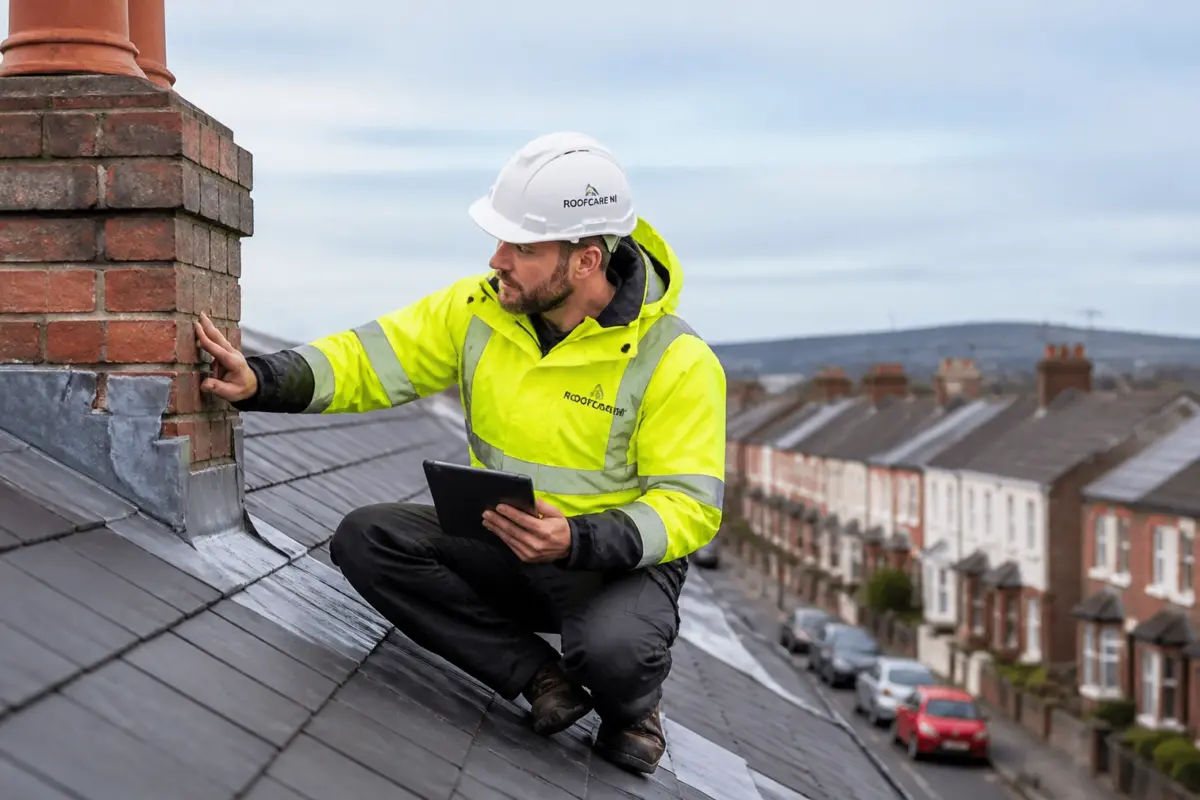
Advanced Roofing Systems promotional graphic showing a professional roof surveyor inspecting a residential property. The graphic highlights over 25 years of experience and detailed inspections across Belfast and Northern Ireland.


Why choose Advanced Construction & Roofing?

We are not just another roofing company. We are specialist roofing contractors with a strong focus on professional roof inspections and surveys. We serve Belfast, Bangor, Newtownards, and the surrounding areas with a commitment to quality and transparency.

  1. Detailed, professional roof surveys: We use photo evidence and in-depth analysis to show you exactly what is wrong.
  2. Clear, honest reporting: We only recommend work that is genuinely required. No hidden fees, no unnecessary upselling.
  3. High-quality materials: Whether it's EPDM flat roofing, slate, tile, or dry ridge systems, we only use the best.
  4. Expert Craftsmanship: Our team brings decades of experience to every project, ensuring a perfect finish every time.

Contact us now to ensure your roof is ready for whatever the Northern Ireland weather throws at it. Call now for your expert consultation.

A professional roof inspector examining ceiling damage and insulation, showcasing the thoroughness of an Advanced Construction & Roofing roof survey.


Frequently Asked Questions

Is dry ridge more expensive than mortar?
The materials for a dry ridge system are more expensive, but the labor is often cheaper because it is faster to install and not weather-dependent. Over time, dry ridge is significantly cheaper because it requires zero maintenance.

Can I convert my mortar roof to a dry ridge system?
Yes! This is a very common service we provide. We remove the old mortar and tiles, install the dry ridge kit, and re-secure the tiles mechanically.

How long does a dry ridge system last?
Most high-quality dry ridge systems are designed to last as long as the roof tiles themselves: often 50 years or more.

Does a dry ridge system look different?
It has a slightly more modern, uniform look. Most homeowners find it looks cleaner and more professional than mortar.


Don't wait for the next storm. Call Advanced Construction & Roofing today and get the right information to make the right decision for your home.

Advanced Construction & Roofing Logo

Dry Ridge Systems Explained in Under 3 Minutes

What Is a Dry Ridge System?

A dry ridge system is a modern roofing solution that secures ridge tiles at the peak of your roof using mechanical fixings instead of traditional mortar. Instead of cement bedding that cracks and fails over time, this system uses screws, clips, and brackets to hold everything firmly in place.

For homeowners in Northern Ireland, where we face some of the harshest weather conditions in the UK, this isn't just a fancy upgrade: it's a smart investment in your property's long-term protection.

How Does It Actually Work?

The system is straightforward but clever. Here's what happens during installation:

First, roofers lay a ridge roll membrane along the apex of your roof. This waterproof barrier is your first line of defence against water ingress. Then, specially designed ridge tiles are mechanically fixed on top using stainless steel screws and durable clips.

The mechanical fixings include waterproof unions beneath each screw that actively divert water away while keeping the ridge secure. But there's another crucial feature: continuous 5mm ventilation runs along the entire ridge line, allowing constant airflow through your roof space.

This ventilation prevents moisture buildup and condensation, which is particularly important in Northern Ireland's damp climate where humidity and rainfall can cause serious problems in poorly ventilated roof spaces.

Close-up of dry ridge system showing mechanical fixings and screws securing ridge tiles

Why Northern Ireland Homeowners Need Dry Ridge Systems

Weather Resistance That Actually Lasts

Let's be honest: Northern Ireland weather is brutal on roofs. Strong winds coming off the Atlantic, driving rain, and freeze-thaw cycles wreak havoc on traditional mortar bedding.

Mortar cracks, crumbles, and fails. When it does, your ridge tiles become loose, water gets in, and you're facing expensive repairs. Dry ridge systems are mechanically fixed to withstand severe weather conditions without deteriorating. The fixings won't crack in frost or wash away in heavy rain.

Slash Your Maintenance Costs

Traditional ridge systems require ongoing maintenance. You'll need to repoint mortar joints every few years, especially after harsh winters. Each time you're paying for scaffolding, labour, and materials.

Dry ridge systems are designed to be maintenance-free. Manufacturers typically provide guarantees lasting 10-15 years, and many systems last considerably longer. That's a decade or more without needing someone on your roof doing repairs.

Stop Condensation and Mould Problems

Poor roof ventilation causes condensation in loft spaces, leading to mould growth, timber rot, and damaged insulation. This is a massive issue in Northern Ireland where our climate keeps things damp year-round.

The built-in continuous ventilation in dry ridge systems complies with BS 5250 guidelines for moisture management. Fresh air flows constantly through your roof space, preventing the conditions that cause condensation and protecting your home's structure from the inside out.

Roofer conducting roof inspection in rain

How Quickly Can It Be Installed?

Speed matters when you're dealing with roofing work. Traditional mortar bedding requires good weather conditions and time for the mortar to cure properly. Rain can ruin freshly laid mortar, causing delays and frustration.

Dry ridge installation is significantly faster. Most residential properties can be completed within a single day, depending on roof size. The system doesn't require specialist skills or perfect weather conditions. Roofers can work efficiently without waiting for materials to set or worrying about rain washing away their work.

This means less disruption to your daily life, lower labour costs, and your roof is protected sooner.

Is It More Expensive?

Here's the straight answer: upfront costs may be slightly higher than traditional mortar bedding. However, this is where you need to think long-term.

Consider what you're actually paying for:

  • No maintenance costs for 10-15 years minimum
  • No repeat scaffolding costs for repointing work
  • Faster installation means lower labour charges
  • Better ventilation prevents costly condensation damage
  • Superior weather resistance means fewer emergency repairs

When you calculate the total cost of ownership over 15 years, dry ridge systems typically work out more cost-effective than traditional methods. You're also adding value to your property with a modern, compliant roofing system.

Before and after comparison of traditional mortar bedding versus modern dry ridge system

Can You Retrofit a Dry Ridge System?

Absolutely. Dry ridge systems aren't just for new builds: they're perfect for retrofitting onto existing roofs during maintenance or repair work.

If your current ridge tiles are showing their age, with cracked mortar and loose fixings, retrofitting a dry ridge system is an excellent solution. The old mortar is removed, the roof is prepared, and the new system is installed. You're upgrading your entire ridge line to modern standards without replacing your whole roof.

What About Building Regulations?

Dry ridge systems are designed to meet and exceed current building regulations. The integrated ventilation complies with BS 5250 standards for condensation control, which is increasingly important as building regulations become stricter.

When you choose a properly installed dry ridge system, you're ensuring your roof meets current standards and won't need upgrading when regulations change. This is particularly relevant if you're planning to sell your property: buyers and surveyors appreciate modern, compliant roofing systems.

Making the Right Choice for Your Home

Traditional mortar bedding served its purpose for decades, but technology has moved on. For Northern Ireland homeowners facing challenging weather conditions and high maintenance costs, dry ridge systems offer a superior, more reliable solution.

The combination of weather resistance, ventilation, low maintenance, and long-term cost savings makes dry ridge systems the sensible choice for modern homes.

Professional roof survey service

Get Expert Advice on Dry Ridge Systems

If you're experiencing problems with your ridge tiles or planning roofing work, contact Advanced Construction & Roofing for professional guidance. Our team has extensive experience installing dry ridge systems throughout Northern Ireland.

We'll assess your current roof condition, explain your options clearly, and provide transparent pricing for any work required. No sales pressure, no hidden costs: just honest advice from experienced roofing professionals.

Call us today or visit our website to request a free roof inspection and quotation. Protect your home with a roofing system that's built to last.

Homebuyer Roof Surveys in Belfast: What Your Surveyor Might Miss

If you're buying property in Belfast, you already know the housing market moves fast. But here's something that doesn't move fast enough for many homebuyers: a thorough roof inspection. While your surveyor ticks boxes on their standard checklist, critical problems could be hiding above your head: problems that'll cost you thousands down the line.

The reality? Most standard homebuyer surveys aren't designed to catch everything wrong with a roof. Northern Ireland's relentless wind-driven rain, our freeze-thaw cycles, and our older housing stock create unique roofing challenges that require specialist knowledge to properly assess.

Let's talk about what often gets missed: and what you need to demand from your surveyor before you sign on the dotted line.

The Leadwork Problem: Belfast's Hidden Nightmare

Walk around any Belfast neighbourhood with period properties and you'll see chimneys, skylights, and roof penetrations everywhere. Each one represents a potential weak point, and here's what most surveyors gloss over: the leadwork and flashing around these features.

Lead flashing deteriorates. It cracks, tears, and pulls away from joints. Poor installation compounds the problem. When surveyors conduct ground-level visual inspections, they often miss:

  • Cracks in lead valleys and soakers that allow water infiltration
  • Failed mortar pointing around chimney bases that's letting moisture track down
  • Improperly installed step flashing on dormer windows
  • Degraded seals around vent pipes and soil stacks

!Damaged lead flashing around Belfast roof chimney showing cracks and water damage

In Belfast's climate, even small flashing failures accelerate rapidly. Wind-driven rain finds every gap. Water tracks horizontally beneath tiles before dripping into your loft space: often far from the actual leak source, making diagnosis difficult later.

Request your surveyor provide photographic evidence of all flashing details. If they can't access these areas safely or don't have drone equipment, you need to know that upfront. Missing flashing problems on a purchase survey means you're inheriting someone else's expensive repair.

Structural Timber Issues: What You Can't See From Ground Level

Your surveyor walks around outside, looks up at the roofline, and notes "appears satisfactory" on their report. But what about the rafters, purlins, and roof decking you can't see?

Timber problems develop slowly, then catastrophically. Early-stage rot, woodworm infestation, and structural sagging require interior loft inspection combined with understanding what external signs indicate internal problems.

Common missed indicators include:

  • Slight roof sag or dip that suggests rafter failure
  • Water staining on ceiling boards indicating historic or ongoing leaks
  • Condensation damage where inadequate ventilation has created damp conditions
  • Beetle flight holes in timbers that indicate active infestation

Many Belfast properties: particularly Victorian and Edwardian terraces: have never had their original roof timbers replaced. We're talking about 100+ year old timber that's experienced a century of Northern Ireland weather. You need someone who'll actually climb into that loft space and inspect thoroughly, not just poke their head through the hatch.

Roofer Roof Inspection in Rain

Demand an interior loft inspection as part of any homebuyer survey. Your surveyor should photograph timber conditions, check for active moisture with a meter, and assess ventilation adequacy. If they won't do this, consider commissioning a specialist roofing survey separately.

Ventilation and Moisture: The Silent Killers

Here's what most homebuyers don't realize: inadequate roof ventilation causes more long-term damage than obvious defects. But ventilation problems don't photograph well, don't look dramatic, and often get completely ignored in standard surveys.

Poor ventilation creates condensation. Condensation creates damp. Damp creates rot, mould, and destroyed insulation. In Belfast's humid climate, this cycle accelerates.

Surveyors miss:

  • Blocked soffit vents or complete absence of ventilation
  • Inadequate ridge ventilation on modern roof coverings
  • Improperly installed insulation that's blocking airflow paths
  • Condensation on roof timbers indicating ongoing moisture problems

These issues won't cause your roof to collapse next month. They'll slowly degrade your roof structure, reduce insulation effectiveness, and create health problems from mould growth. By the time you notice, you're facing major remedial work.

Ask specifically whether your surveyor assessed ventilation adequacy. If the answer is vague or dismissive, that's a red flag. Proper roof ventilation assessment requires understanding of building physics, not just visual inspection.

Gutter and Drainage Failures: Beyond the Roof Itself

Your surveyor looks at the roof covering: tiles, slates, felt. But what about the systems that move water away from your property?

Failed gutters and downpipes cause more building damage than minor roof covering defects, yet they're routinely overlooked or inadequately assessed in homebuyer surveys.

Belfast's heavy rainfall demands functional drainage. When gutters fail, water:

  • Overflows onto wall faces, causing penetrating damp
  • Saturates foundation areas, creating settlement risks
  • Backs up under roof edges, rotting fascias and soffits
  • Creates ice dams in winter that force water under tiles

Look for surveyors who check:

  • Gutter capacity and fall (many original cast iron gutters are undersized for modern rainfall patterns)
  • Downpipe connection integrity and proper discharge points
  • Signs of historic overflow like staining on brickwork or rotted timber
  • Joint failures in plastic guttering systems that allow leakage

Roof timber rafters in loft space showing moisture damage requiring inspection

The surveyor who notes "gutters and downpipes present" without detailed assessment isn't doing their job properly. Water management is fundamental to building longevity.

Why These Issues Get Missed: The Systematic Approach Problem

Standard homebuyer surveys follow template checklists. Surveyors spend limited time on site, often during good weather when problems aren't obvious. They're generalists covering entire properties, not roof specialists.

The difference between adequate and excellent roof surveys comes down to methodology. Thorough inspections require:

  • Systematic section-by-section assessment rather than quick visual scans
  • Both external and internal inspection to correlate findings
  • Photographic documentation of all critical areas and defects
  • Specialist equipment like moisture meters, thermal imaging, or drones for high-level access
  • Knowledge of Belfast-specific failure patterns in different property types and ages

When booking your survey, ask explicitly: Will you provide drone photography? Will you enter the loft space? How long will the roof inspection take? What equipment will you use?

Vague answers mean you're getting a vague survey.

What Belfast Homebuyers Need to Demand

Don't accept "roof appears serviceable from ground level inspection" as adequate for a property purchase decision. The Belfast housing market is competitive, but rushing your survey is false economy.

Request comprehensive roof documentation including:

  • Close-up photography of all flashing and leadwork
  • Interior loft space inspection with moisture readings
  • Assessment of ventilation adequacy
  • Detailed gutter and drainage evaluation
  • Commentary on typical lifespan remaining for roof covering

If your surveyor can't or won't provide this level of detail, commission a specialist roofing survey as an additional report. Spending £300-500 on proper assessment could save you £10,000+ in unexpected repairs within the first year of ownership.

Advanced Construction & Roofing Roof Survey Service

Take Control of Your Purchase Decision

Belfast's property market doesn't wait around, but neither should you compromise on due diligence. Your roof is the single most expensive building element to repair or replace: getting it wrong costs serious money.

Challenge your surveyor. Ask specific questions. Demand detailed answers. If something seems vague or glossed over, push back. This is likely the biggest financial commitment you'll make; you deserve complete information.

Contact Advanced Construction & Roofing for specialist roof surveys that go beyond standard homebuyer reports. We understand Belfast housing stock, we know local failure patterns, and we provide the detailed photographic evidence you need to negotiate confidently or walk away from problem properties.

Don't let poor roof assessment become your expensive problem. Get it checked properly before you buy.

Call us today to discuss specialist roof survey options that protect your investment and give you the complete picture before you commit. Visit Advanced Construction & Roofing or request a detailed survey quote specific to your prospective purchase.

Your roof matters. Make sure it gets the inspection it deserves.

Why Roof Surveys Matter: 7 Hidden Issues That Could Cost You Thousands

Your roof does more than keep the rain out. It protects your entire property investment, maintains your home's structural integrity, and directly impacts your energy bills. Yet most homeowners across Northern Ireland only think about their roof when something goes visibly wrong: and by then, the damage is done.

The reality? Regular roof surveys can save you an average of 30% on repair costs compared to waiting until problems become obvious. That's thousands of pounds staying in your pocket simply by catching issues early.

At Advanced Construction & Roofing, we've surveyed hundreds of properties throughout Belfast, Lisburn, Bangor, and across Northern Ireland. Time and again, we discover hidden problems that property owners had no idea existed: problems that would have cost them dearly if left unchecked.

What Is a Roof Survey and Why Do You Need One?

A professional roof survey is a comprehensive inspection of your roof's condition, structure, and components. Unlike a quick visual check from ground level, a proper survey involves:

  • Close examination of tiles, slates, and roofing materials
  • Assessment of flashing, gutters, and drainage systems
  • Inspection of chimney stacks and brickwork
  • Evaluation of insulation and ventilation
  • Photographic evidence of defects and concerns
  • Detailed written report with recommended actions

Property owners in Northern Ireland face unique challenges. Our weather: persistent rain, strong winds, and temperature fluctuations: takes a constant toll on roofing systems. What starts as a minor issue during summer can escalate dramatically after a harsh winter.

Roof Survey Service

The 7 Hidden Issues That Could Cost You Thousands

1. Structural Damage from Minor Leaks

The most dangerous roof problems are the ones you can't see. A small leak might seem insignificant: just a damp patch in the corner of a room. But behind that patch, water is compromising your roof's timber structure.

Minor leaks damage roof joists, rafters, and decking. Left untreated, they lead to rot and structural weakness. What could have been a £200 repair becomes a £5,000 roof replacement. We've seen it happen countless times across properties in Newtownards, Holywood, and throughout County Down.

The cost difference? Catching and fixing a small leak early costs a fraction of replacing entire sections of damaged timber and roofing.

2. Chimney Stack Deterioration

Damaged chimney stack showing deteriorating mortar joints requiring roof survey inspection

Chimney stacks are particularly vulnerable to Northern Ireland's weather conditions. The mortar joints between bricks deteriorate over time, especially on south and west-facing sides that take the brunt of wind-driven rain.

Roof surveys identify:

  • Cracked or eroded mortar joints
  • Leaning or unstable chimney stacks
  • Deteriorating chimney pots
  • Missing or damaged flashing around the stack base

A deteriorating chimney stack doesn't just affect the chimney itself. Water penetrates through failing mortar, damaging the roof structure, ceiling below, and internal walls. Emergency chimney repairs and associated damage can easily exceed £3,000. Preventive repointing? Usually under £800.

3. Worn-Out or Blocked Guttering Systems

Your guttering system is your roof's first line of defence against water damage. When gutters become blocked with leaves, moss, and debris, water overflows and saturates walls, foundations, and fascia boards.

Professional roof surveys assess:

  • Gutter alignment and proper fall
  • Blockages and debris accumulation
  • Bracket stability and support
  • Downpipe condition and drainage effectiveness

Properties across Carryduff, Dundonald, and the greater Belfast area face particular challenges with moss and organic matter from surrounding trees. Blocked gutters cause damp penetration that damages brickwork pointing, internal plaster, and even foundations. Replacing rotten fascia boards and repairing damp-damaged walls costs thousands. Regular gutter maintenance and timely repairs? A few hundred pounds.

4. Insulation Deficiencies and Heat Loss

Roof Inspection in Rain

Northern Ireland homeowners waste hundreds of pounds annually on heating costs due to inadequate loft insulation. Roof surveys with thermal imaging identify:

  • Insufficient insulation depth (current standards recommend 270mm)
  • Gaps in insulation coverage
  • Compressed or damaged insulation
  • Cold spots indicating heat loss

Poor insulation doesn't just increase heating bills. It creates condensation problems that lead to mould growth and timber damage. The average Northern Ireland household could save £200+ per year on heating costs with proper insulation. Over a roof's 50-year lifespan, that's £10,000 in savings: far exceeding the £1,500 typical cost of upgrading loft insulation.

5. Ventilation Issues and Condensation Damage

Inadequate roof ventilation is a silent destroyer. Without proper airflow, warm, moist air becomes trapped in your loft space, condensing on cold surfaces and creating ideal conditions for:

  • Timber rot in roof structure
  • Mould and mildew growth
  • Deteriorating insulation effectiveness
  • Metal fastener corrosion

We regularly discover severe condensation damage during surveys of properties across Lisburn, Hillsborough, and Moira. The health implications of mould are serious, particularly for children and those with respiratory conditions. Remedying extensive condensation damage: replacing rotted timber, treating mould, and installing proper ventilation: can cost £4,000+. Installing adequate ventilation during routine maintenance? Under £500.

6. Roofing Material Degradation

Cracked and weathered roof tiles with moss growth showing material degradation

Every roofing material has a lifespan. Tiles crack, slates delaminate, and felt deteriorates. Visual inspections from ground level miss:

  • Cracked or slipped tiles not yet causing leaks
  • Nail sickness (corroded fixings no longer securing tiles)
  • Deteriorating roof felt beneath tiles
  • Storm damage to ridge tiles and hip joints

Northern Ireland's exposure to Atlantic weather systems means our roofs face constant battering. Properties in coastal areas like Bangor, Holywood, and Donaghadee face additional challenges from salt air accelerating material degradation.

Replacing individual damaged tiles costs £15-30 each. Waiting until widespread failure requires full roof replacement: £8,000-15,000 for an average property. Professional surveys identify which tiles need attention before minor issues cascade into major problems.

7. Flashing Failures and Water Penetration

Flashing: the metal strips sealing joints between your roof and other structures: is critical for waterproofing. Failed flashing around chimneys, valleys, dormers, and abutments allows water to penetrate your property.

Roof surveys examine:

  • Lead flashing condition and security
  • Cement fillets that crack and fail
  • Valley flashing integrity
  • Dormer window flashing and sealing

Water penetration through failed flashing causes extensive internal damage: ruined ceilings, damaged plaster, stained decorations, and rotted timber. Emergency repairs during winter, when water is actively entering your property, cost significantly more than scheduled maintenance. We've seen insurance claims exceeding £6,000 for water damage that originated from £300 worth of flashing repairs that were overlooked.

Emergency Roofing Repair

The Real Cost of Delaying Roof Surveys

Consider this scenario we encounter regularly: A homeowner notices a small water stain on their ceiling. They assume it's minor and decide to "keep an eye on it." Six months later, after a particularly wet Northern Ireland winter, the ceiling collapses. The repair bill? £4,500 for structural timber replacement, new ceiling, roof repairs, and redecorating.

The alternative? A roof survey identifies the problem when it's just a small leak. Repair cost: £350.

Preventive maintenance through regular roof surveys extends your roof's lifespan by up to 50%. For a roof expected to last 40 years, that's an additional 20 years of service: representing tens of thousands of pounds in delayed replacement costs.

Insurance Claims and Documentation

Many insurance providers now require professional roof surveys before approving claims for storm damage or long-term deterioration. Without documented evidence of regular maintenance, your claim could be denied on grounds of negligence.

Request a professional survey with photographic evidence and detailed reporting. This documentation proves you've maintained your property responsibly: essential leverage when negotiating with insurance companies.

When Should You Book a Roof Survey?

Contact a professional roofing company for surveys in these situations:

Annual Inspections: Book yearly surveys to catch problems early, especially if your property is over 15 years old.

After Severe Weather: Following storms, high winds, or heavy snow, arrange an inspection to identify damage before it worsens.

Before Property Purchase: Insist on comprehensive roof surveys during property transactions. Sellers might not disclose known issues, and surveyors sometimes miss roof problems.

Before Winter: Schedule autumn surveys so repairs can be completed before Northern Ireland's harsh winter weather arrives.

When Selling: Document your roof's condition to reassure buyers and justify your asking price.

Take Action Before Problems Escalate

Every day you delay addressing roof issues costs you money. Minor repairs become major replacements. Small leaks become structural damage. Routine maintenance becomes emergency repairs at premium rates.

At Advanced Construction & Roofing, we provide comprehensive roof surveys throughout Northern Ireland. Our qualified inspectors deliver detailed reports with photographic evidence, defect identification, and clear recommendations: giving you the information you need to protect your property investment.

Don't wait until water is pouring through your ceiling. Call today to book your professional roof survey and discover what might be hiding above your head. The money you save could run into thousands: money that stays in your pocket instead of paying for preventable damage.

Your roof protects everything you own. Isn't it worth making sure it's in good condition?