Cold Roof Vs Warm Roof Ventilation: Which Is Better For Your Belfast Property?

If you're planning a roof project in Belfast, you've probably heard contractors throw around terms like "cold roof" and "warm roof." Here's the thing: this isn't just technical jargon. The ventilation strategy you choose directly impacts your heating bills, moisture problems, and how long your roof actually lasts.

Belfast's damp climate makes this decision even more critical. Get it wrong, and you could be dealing with condensation, mould growth, and rotting timbers within a few years. Get it right, and you'll have a roof that performs brilliantly for decades.

Let's break down exactly what these systems are, how they differ, and which one actually makes sense for your Northern Ireland property.

What Exactly Is a Cold Roof?

A cold roof system keeps the insulation at ceiling level: between the joists in your loft space. The void above the insulation stays cold (hence the name), and ventilation is built into the eaves and ridge to allow air to circulate through this space.

The theory sounds sensible: air flows through the void, carrying away any moisture that might accumulate. This should prevent condensation from forming on the underside of your roof deck.

In practice? It's trickier than it sounds, especially in Belfast.

Cold roofs require perfect vapor barriers and consistent ventilation to work properly. UK Building Regulations demand at least 50mm of clear ventilation space with effective cross-flow ventilation. But here's what actually happens: over time, ventilation pathways get blocked by insulation, bird nests, or debris. The vapor barrier gets punctured during maintenance work or cable installations.

When either of these protections fails, you get condensation. And in Belfast's damp climate, condensation turns into a serious problem fast.

Cold roof system cross-section showing insulation between joists and ventilation space above

What Makes a Warm Roof Different?

A warm roof takes a completely different approach. The insulation sits above the structural roof deck, keeping the entire roof structure warm and above the dew point temperature.

There's no cold void. No need for complex ventilation pathways. The roof deck, joists, and all structural elements stay at roughly the same temperature as the interior of your building.

This eliminates interstitial condensation almost entirely: moisture simply can't form because there's nowhere cold enough for it to condense.

From an installation perspective, warm roofs are more straightforward. The insulation creates a continuous thermal blanket with no gaps or cold spots. There are no thermal bridges through joists. No ventilation requirements to maintain over time.

For flat roofs especially, warm roof construction has become the go-to standard in modern building practice.

Cold Roof Vs Warm Roof: The Critical Differences

Let's compare these systems head-to-head:

Insulation placement: Cold roofs place insulation between joists at ceiling level. Warm roofs install insulation above the structural deck in a continuous layer.

Ventilation requirements: Cold roofs need extensive ventilation through the roof void. Warm roofs require no roof space ventilation.

Condensation risk: Cold roofs depend on perfect vapor control and ventilation: when either fails, condensation forms. Warm roofs keep everything above the dew point, virtually eliminating condensation risk.

Thermal performance: Cold roofs need around 200mm of mineral wool insulation to achieve good U-values. Warm roofs achieve the same performance with less material thickness thanks to continuous insulation with no thermal bridging.

Installation complexity: Cold roofs require careful vapor barrier installation and ventilation pathway design. Warm roofs offer simpler, more foolproof installation.

Long-term maintenance: Cold roofs need ongoing ventilation checks. Warm roofs require minimal maintenance attention.

Why Belfast's Climate Changes Everything

Advanced Construction & Roofing Roof Survey Service A professional roof inspector examines ceiling damage and insulation while taking notes. The image promotes Advanced Construction & Roofing's roof survey service, offering visual surveys, photo evidence, defect identification, and in-depth analysis for property owners. Contact details and a website link are included for booking a survey.

Belfast gets approximately 830mm of rainfall annually. Humidity levels stay consistently high, particularly during autumn and winter months. Temperatures hover around 4-7°C during winter, with damp conditions prevailing for extended periods.

This combination creates perfect conditions for condensation problems.

When warm, moist air from your heated interior meets cold surfaces in an inadequately ventilated roof void, moisture condenses immediately. In Belfast's climate, this happens constantly throughout the heating season.

Cold roofs struggle in these conditions because maintaining effective ventilation proves nearly impossible. Wind-driven rain can penetrate ventilation openings. High humidity means any ventilation failure leads to rapid moisture accumulation.

Warm roofs sidestep these problems entirely by eliminating cold surfaces where condensation can form.

What Are the Common Problems with Cold Roofs in Northern Ireland?

After 20 years of roof inspections across Belfast and surrounding areas, we've seen the same cold roof failures repeatedly:

Blocked ventilation pathways top the list. Insulation gets pushed into eaves during installation or upgrades, blocking air movement. Birds nest in ventilation gaps. Windblown debris accumulates over time.

Compromised vapor barriers come next. Every penetration for pipes, cables, or light fittings creates a potential vapor leak. One small gap allows warm, moist air into the roof void: and that's all it takes.

Insufficient cross-ventilation is another frequent issue. Many older properties have eaves ventilation but no ridge or high-level outlet. Air can't flow effectively without both inlet and outlet points.

The result? We regularly see timber decay, mould growth on sarking boards, and corroded roof fixings: all from condensation that shouldn't be there.

If you're concerned about existing roof problems, consider requesting a professional inspection through our roofing surveys service.

Warm roof construction with insulation layers installed above the roof deck

Why Do Warm Roofs Perform Better in Damp Climates?

Warm roofs solve Belfast's condensation challenges through simple physics: keep everything warm enough, and moisture can't condense.

The continuous insulation layer creates an unbroken thermal envelope. There are no cold spots, no thermal bridges through structural members, no temperature variations where condensation can form.

Energy efficiency improves dramatically. Without thermal bridging through joists, the same thermal performance requires less insulation thickness. Your heating system works less to maintain comfortable temperatures. Energy bills drop accordingly.

Installation reliability increases. There's no complex vapor barrier to install perfectly. No ventilation pathways to design and maintain. Fewer variables mean fewer opportunities for installation errors.

Long-term performance stays consistent. Unlike cold roofs where ventilation effectiveness degrades over time, warm roofs maintain their thermal and moisture management performance year after year with minimal maintenance.

For flat roof installations particularly, warm roof construction has become the industry standard precisely because it addresses moisture management so effectively.

Should You Choose Cold Roof or Warm Roof for Your Belfast Property?

For new builds and major renovations, warm roof construction wins decisively in Belfast's climate. The superior moisture control, better energy efficiency, and simpler installation make it the logical choice.

The higher initial material cost pays back through lower heating bills and virtually eliminated condensation maintenance issues.

For existing pitched roofs with accessible loft spaces, the decision gets more nuanced. If your current cold roof performs adequately with good ventilation and proper vapor control, upgrading may not be necessary. However, if you're experiencing condensation problems, timber decay, or planning significant insulation upgrades, converting to warm roof construction should be seriously considered.

For flat roofs specifically, warm roof design should be your default choice. The condensation risks with cold flat roofs in Belfast's climate simply don't justify the minimal cost savings.

Belfast rooftops with slate tiles in damp weather showing moisture and rain

What Should You Do Next?

If you're planning a roof project or dealing with existing condensation problems, get professional advice specific to your property.

Every building has unique characteristics: orientation, existing ventilation, internal moisture loads, structural considerations: that affect which approach works best.

Contact Advanced Construction & Roofing for a thorough assessment. We'll inspect your current roof condition, identify any existing moisture problems, and recommend the ventilation strategy that makes sense for your specific situation and budget.

Request a comprehensive roof survey if you're concerned about existing issues. Our detailed inspections identify condensation problems, ventilation failures, and structural concerns before they become expensive emergencies. Learn more about our Belfast roof survey and report service.

Don't guess about something this important. Roof ventilation affects your property's structural integrity, energy performance, and indoor air quality for decades. Make the decision based on professional assessment, not assumptions.

Call us today for an honest evaluation of your roof ventilation needs. We'll explain your options clearly, answer your questions directly, and recommend the solution that actually works for your Belfast property: not just the one that's easiest to install.

Your roof deserves better than a one-size-fits-all approach. Get it right the first time.

Looking For a Pre-Purchase Roof Survey? Here Are 10 Things You Should Know

Buying a property in Northern Ireland without a proper roof survey is like buying a car without checking under the bonnet. You might get lucky, or you might inherit a £15,000 problem. A pre-purchase roof survey isn't just about ticking boxes: it's about knowing exactly what you're getting into before you sign on the dotted line.

Here's what you absolutely need to know before commissioning that survey.

1. What's the Roof's History? Ask Before the Inspector Arrives

Before anyone sets foot on that roof, request the complete history from the seller. You need to know:

  • When was the roof installed?
  • What type of roofing material is it?
  • Are there any existing warranties, and are they transferable?
  • Have there been any repairs, and what were they for?
  • Has the roof ever leaked?

A 10-year-old roof in Belfast that's been regularly maintained is a completely different proposition from a 10-year-old roof that's been ignored. Get this information upfront. If the seller can't or won't provide it, that's a red flag before you've even started.

Roof inspector reviewing pre-purchase survey documents with homeowner in Northern Ireland

2. Does the Exterior Inspection Cover Everything That Matters?

The exterior roof surface tells most of the story, but only if your inspector knows what to look for. A proper Belfast roof survey should document:

For slate or tile roofs:

  • Cracked, slipped, or missing tiles
  • Broken or deteriorated slate
  • Ridge tile condition and mortar integrity
  • Lead flashing condition

For flat or pitched roofs with felt:

  • Surface bubbling or blistering
  • Felt tears or splits
  • Exposed nail heads or fixings
  • Granule loss on mineral felt

Your inspector should also check for sagging along ridge lines: a warning sign of potential structural issues that could cost thousands to rectify. In Northern Ireland's wet climate, even minor exterior damage accelerates quickly.

Request a comprehensive roofing survey that includes photographic evidence of every concern identified.

3. Why Do Flashing Failures Cost You the Most?

Here's what most homebuyers don't realize: the majority of roof leaks in Belfast properties don't start with the roofing material itself. They start at the flashing.

Flashing is the metal or lead material that seals the joints between your roof and chimneys, walls, skylights, and vents. When flashing fails, water finds its way into places it shouldn't be.

Your pre-purchase survey must examine:

  • Chimney flashing for lifting, cracking, or missing sections
  • Valley flashing where two roof planes meet
  • Rubber boots around pipe penetrations (these dry rot in our climate)
  • Parapet wall flashing
  • Skylight seals and caulking

Roof Inspection

Flashing repairs are technical work that requires proper expertise. A survey that glosses over flashing detail isn't worth the paper it's printed on.

4. What Do the Gutters Actually Tell You?

Your gutters aren't just there to catch rainwater: they're a diagnostic tool. A competent inspector examines gutters and downspouts for:

  • Debris buildup: Indicates maintenance neglect
  • Sagging or pulling away from fascia: Suggests long-term water management issues
  • Rust or corrosion: Tells you the system's remaining lifespan
  • Granule accumulation: Shows roof felt is deteriorating faster than it should

In Northern Ireland, where we see over 1,000mm of annual rainfall in many areas, functional guttering isn't optional: it's critical infrastructure. If the survey shows gutters aren't draining properly, water is pooling somewhere it shouldn't be, and that means damage you can't always see from ground level.

5. Can You Really Judge a Roof Without Checking the Attic?

No. You can't.

The attic space reveals problems that aren't visible from the exterior. Your inspector should be looking for:

  • Water stains on rafters or sheathing: Shows current or historical leaking
  • Wet or compressed insulation: Indicates active moisture problems
  • Mold or fungal growth: Suggests ventilation failures or persistent leaks
  • Daylight showing through the roof deck: Gaps that need immediate attention
  • Condensation patterns: Points to ventilation inadequacy

Belfast properties, particularly older ones, often have ventilation issues that create condensation problems. These mimic leak damage but require completely different solutions. An experienced inspector distinguishes between the two and documents findings with photos.

Close-up of damaged chimney flashing inspection showing corrosion and water penetration gaps

6. Why Is Proper Documentation Your Best Protection?

A verbal report isn't good enough. Period.

Your pre-purchase roof survey should include:

  • High-resolution photographs of every defect identified
  • Written descriptions with severity ratings
  • Estimated repair costs for each issue
  • Recommended priority order for addressing problems
  • Overall roof condition assessment with remaining lifespan estimate

This documentation serves multiple purposes. It gives you negotiating leverage with the seller. It provides a roadmap for prioritizing repairs after purchase. And if you're making an insurance claim down the line, it establishes the roof's pre-existing condition.

Professional documentation matters. Request it explicitly.

7. Should You Really Hire a Specialist Roof Surveyor?

Your general building surveyor might be excellent at what they do, but roof assessment requires specific expertise. Here's why specialist matters:

Safety considerations: Steep Belfast roofs in winter conditions require proper equipment and training. General surveyors often conduct ground-level or drone surveys that miss critical details.

Technical knowledge: Understanding the difference between acceptable wear and actionable defects requires roofing-specific experience. A generalist might flag normal aging as problems or overlook genuine concerns.

Access capability: Specialist roof surveyors have the equipment and insurance to safely access difficult roof areas that others can't reach.

Look for surveyors with relevant qualifications and specific roofing experience in Northern Ireland properties. Ask how many roof surveys they've conducted in the past year. Request references.

8. Does Weather Timing Actually Matter for Surveys?

It absolutely does, particularly in Northern Ireland where weather changes hourly.

Optimal survey timing:

  • Dry conditions allow safe roof access and accurate assessment
  • Recent rainfall helps identify active leaks more easily
  • Winter inspections reveal ice dam patterns and ventilation issues
  • Summer surveys show UV damage and heat-related deterioration

Avoid surveys during:

  • Active storms (safety risk, obscured visibility)
  • Frost or ice (safety risk, conceals problems)
  • Extreme heat (safety risk for inspectors)

If you're buying in winter, ensure the surveyor can conduct a thorough inspection despite weather limitations. Some defects simply can't be properly assessed in certain conditions: understand those limitations upfront.

9. How Do Insurance and Warranty Status Change Everything?

Two critical questions your survey should answer:

Is there a transferable warranty?

  • Many modern roofing systems come with 10-20 year guarantees
  • These warranties often transfer to new property owners
  • But they usually require maintaining specific conditions
  • Missing documentation voids most warranties

What's the insurance position?

  • Some roof conditions affect buildings insurance availability
  • Pre-existing damage may not be covered
  • Flat roof age limits exist with many insurers
  • Storm damage claims require establishing pre-storm condition

Advanced Construction & Roofing Roof Survey Service

Request that your surveyor explicitly addresses warranty status and insurance implications in their report. This information directly affects your purchase decision and ongoing costs.

10. Can Survey Results Actually Save You Money?

Here's the reality: a £300-500 pre-purchase roof survey can save you £15,000-30,000 in unexpected costs.

Survey results give you negotiating leverage:

  • Request the seller addresses major issues before completion
  • Negotiate a price reduction reflecting repair costs
  • Walk away from properties with fundamental problems
  • Plan repair budgets accurately before purchase

A survey that identifies a failing flat roof or compromised structural integrity isn't bad news: it's valuable information that protects your investment.

Consider this: properties in Belfast regularly sell with roof problems the buyer discovers only after moving in. Those buyers face emergency repairs, insurance complications, and unexpected costs that could have been avoided with proper pre-purchase assessment.

Ready to Commission Your Pre-Purchase Roof Survey?

Don't purchase a Northern Ireland property without understanding exactly what's above your head. A comprehensive roof survey conducted by qualified professionals gives you the information you need to make informed decisions.

At Advanced Construction & Roofing, we conduct detailed pre-purchase roof surveys across Belfast and Northern Ireland. Our reports include photographic evidence, written assessments, repair cost estimates, and clear recommendations.

Request your pre-purchase roof survey today. Contact us for a no-obligation quote and protect your property investment with professional expertise you can trust.

Professional Roof Surveys in Lisburn: Protect Your Home Today

Your roof is the first line of defence protecting your Lisburn home from Northern Ireland's unpredictable weather. Yet most homeowners only think about their roof when something goes wrong: and by then, a simple repair has often turned into a costly emergency.

Whether you own a period property in Lisburn's historic Hillsborough Road area or a modern new build in the Plantation development, professional roof surveys protect your investment and give you peace of mind. At Advanced Construction & Roofing, we've surveyed hundreds of properties across Lisburn and know exactly what local homeowners need.

Why Lisburn Homeowners Need Regular Roof Surveys

Lisburn's location makes roofs particularly vulnerable. The city sits between the Lagan Valley and the rolling hills toward the south, creating weather patterns that expose roofs to driving rain, strong winds, and occasional snow. These conditions accelerate wear and tear on roofing materials.

A professional roof survey identifies problems before they become disasters. Hidden damage costs homeowners thousands in emergency repairs every year. A comprehensive survey catches these issues early when fixes are affordable and straightforward.

Victorian and Edwardian terraced houses with slate roofs in Lisburn requiring professional surveys

Older Properties in Lisburn: Hidden Problems Waiting to Happen

Lisburn boasts beautiful Victorian terraces, Edwardian semis, and character properties throughout areas like Lambeg and Old Warren. These homes have charm: but they also have roofs that have weathered decades of Northern Irish weather.

Older properties face specific roofing challenges:

  • Original slate tiles become porous and brittle with age
  • Traditional lead flashing deteriorates and develops splits
  • Chimney stacks suffer from pointing failure and brick damage
  • Timber roof structures can harbour rot or woodworm
  • Original felt underlay degrades, leaving no secondary protection

Many Lisburn homeowners inherit these problems when purchasing older properties. The previous owner's "quick fix" might be hiding serious structural issues. A thorough roof survey reveals the true condition of your roof and prevents nasty surprises.

Period properties often have multiple roof levels, valleys, and junctions where water can penetrate. These complex roof structures need expert assessment to identify vulnerable areas before leaks develop.

Why New Build Properties Need Surveys Too

Bought a new home on one of Lisburn's modern developments? You might assume your roof is perfect. Think again.

New build properties can have significant roofing defects:

  • Tiles incorrectly fitted or secured
  • Inadequate ventilation causing condensation issues
  • Poor flashing installation around chimneys and skylights
  • Substandard materials used to cut construction costs
  • Rushed workmanship during the final build stages

Most new builds come with a 10-year structural warranty, but you need to identify defects before this period expires. Request a professional survey within the first year to catch any issues while they're still covered.

Advanced Construction & Roofing Roof Survey Service A professional roof inspector examines ceiling damage and insulation while taking notes. The image promotes Advanced Construction & Roofing's roof survey service, offering visual surveys, photo evidence, defect identification, and in-depth analysis for property owners. Contact details and a website link are included for booking a survey.

What Does a Professional Roof Survey Include?

When you book a roof survey with Advanced Construction & Roofing, you receive a comprehensive assessment of your Lisburn property's roof condition.

Our surveys examine:

  • Roof covering condition (tiles, slates, or flat roof materials)
  • Ridge and hip tiles for security and weatherproofing
  • Flashing around chimneys, valleys, and abutments
  • Guttering and downpipe systems
  • Fascias, soffits, and bargeboards
  • Roof ventilation adequacy
  • Internal roof space for leaks, condensation, or structural issues
  • Chimney stack condition and pointing

We provide detailed photographic evidence of any defects discovered. You receive a written report explaining issues found, their severity, and recommended remedial work. No technical jargon: just clear explanations you can understand and act upon.

Traditional Surveys vs. Modern Drone Inspections

Traditional surveys involve our experienced roofers physically accessing your roof to conduct close-up inspections. This hands-on approach allows us to test tiles, examine joints, and assess areas that might appear fine from the ground.

Drone surveys use high-resolution imaging to capture detailed roof condition without requiring access equipment. These surveys are particularly useful for:

  • Steep or high roofs where access is difficult
  • Properties where scaffolding would be expensive
  • Quick assessments needed for insurance claims
  • Initial surveys before purchasing a property

Both survey types deliver comprehensive results. Contact us to discuss which approach suits your Lisburn property and budget.

Roofer Roof Inspection in Rain A roofer conducts a detailed inspection of a leaking and damaged roof during heavy rain, identifying broken tiles, exposed timber, and visible moss. The technician is equipped with tools and assesses the extent of emergency repairs needed to prevent further water ingress.

When Should You Book a Roof Survey?

Schedule a professional roof survey if:

  • You've owned your Lisburn home for over 5 years without an inspection
  • You're buying a property and need pre-purchase assessment
  • Recent storms or severe weather have hit the area
  • You've noticed loose or missing tiles from ground level
  • Water stains appear on upstairs ceilings
  • Your roof is over 20 years old
  • You're planning home improvements or extensions
  • You need documentation for insurance purposes

Don't wait until you see a leak. By the time water appears inside your home, significant damage has already occurred to roof timbers, insulation, and ceiling structures.

The Cost of Ignoring Roof Problems

We regularly attend emergency call-outs across Lisburn where homeowners have ignored minor roof issues. What started as a few loose tiles becomes:

  • Extensive water damage to ceilings and walls
  • Ruined insulation that needs complete replacement
  • Rotten roof timbers requiring structural repairs
  • Damaged electrical fittings and wiring
  • Mould growth affecting family health
  • Emergency tarpaulins and temporary waterproofing

A £195 roof survey prevents £5,000+ emergency repairs. Simple mathematics makes preventative surveys essential for protecting your property investment.

What Happens After Your Survey?

Once we complete your Lisburn roof survey, we provide clear recommendations based on what we've found.

Minor issues like a few loose tiles or blocked guttering can often be resolved quickly and affordably. We provide transparent quotes for any work needed.

Significant problems receive detailed repair plans with accurate costings. We explain your options, from targeted repairs to complete re-roofing if necessary. No pressure, no surprise costs: just honest advice from experienced professionals.

You're never obligated to proceed with repairs through us, though most Lisburn homeowners appreciate having one trusted company handling both survey and remedial work.

Why Choose Advanced Construction & Roofing for Your Lisburn Survey?

We're not just another roofing company operating in Lisburn: we're construction and roofing specialists who understand local properties inside and out.

Our credentials include:

  • Fully qualified roofing professionals with decades of combined experience
  • Comprehensive insurance covering all survey and repair work
  • Detailed photographic reports you can understand
  • Transparent pricing with no hidden charges
  • Local knowledge of Lisburn property types and common issues
  • Professional advice without sales pressure

We've surveyed properties throughout Lisburn, from the compact terraces near the city centre to the sprawling homes in Derriaghy and Hilden. We know Northern Irish roofs and the specific challenges they face.

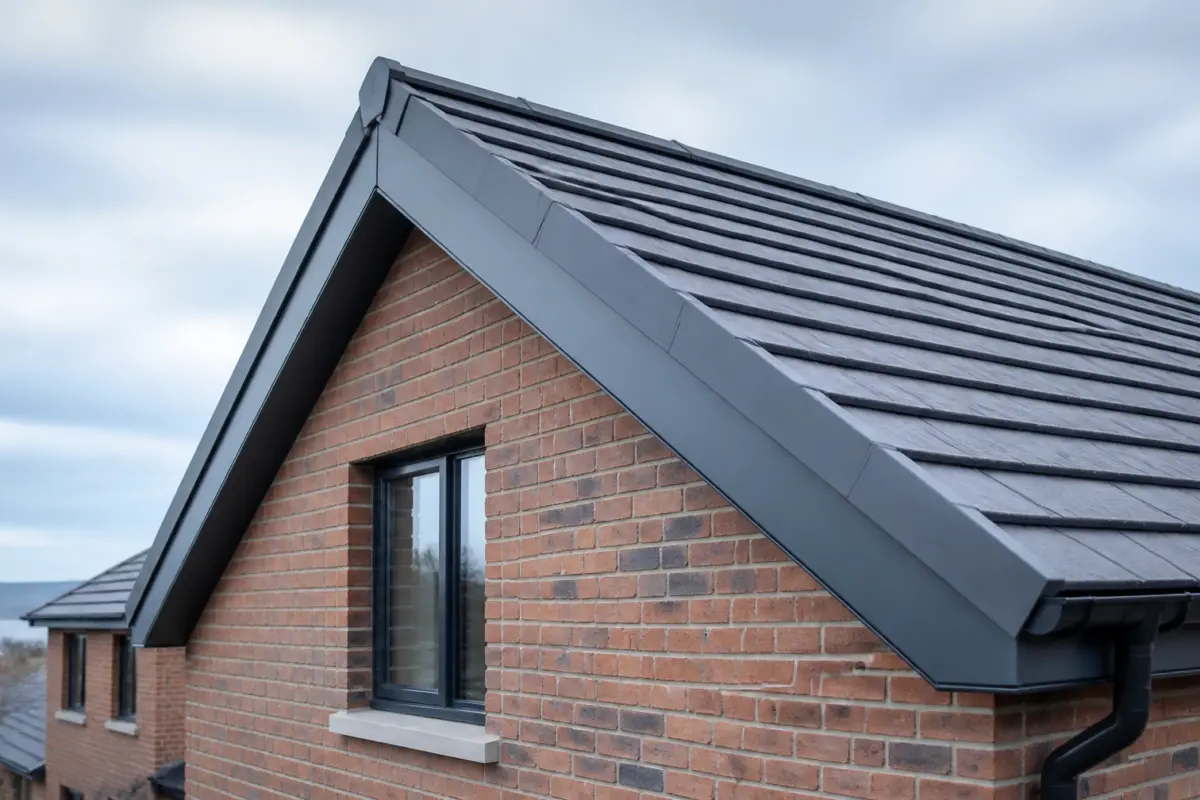
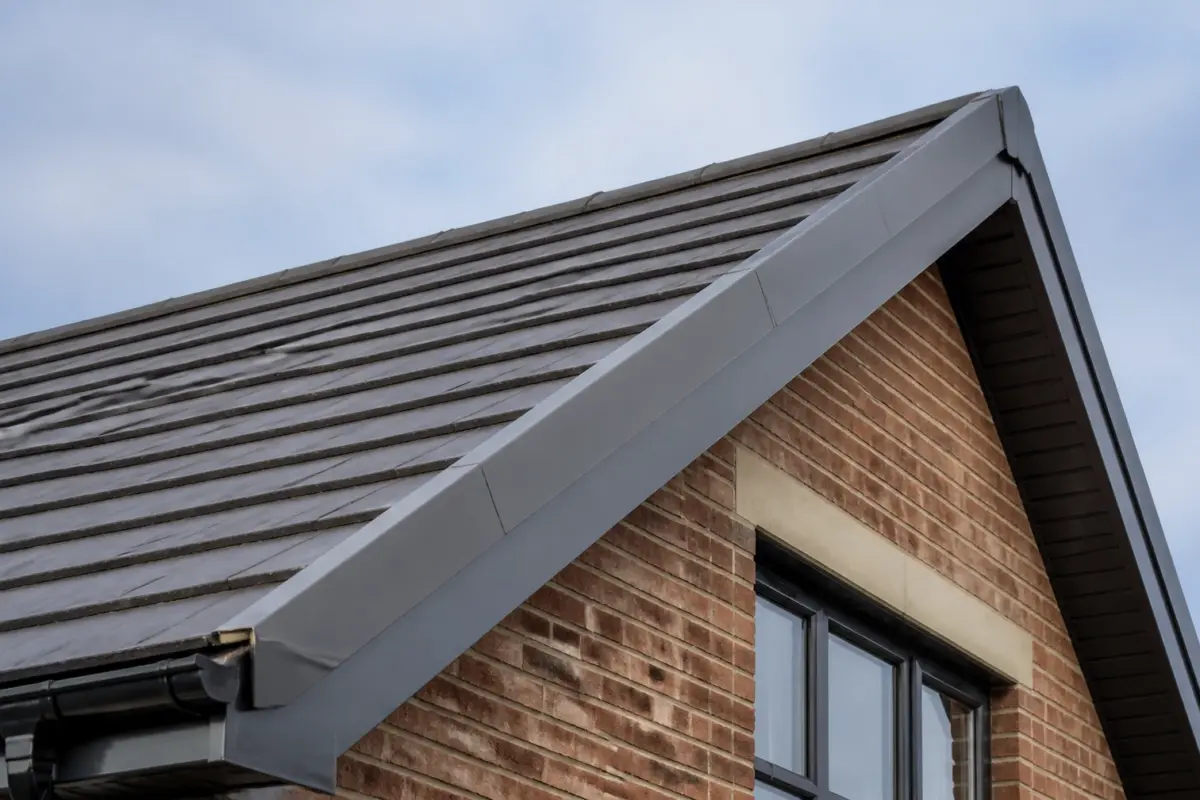
Modern new build roof tiles and flashing detail showing quality construction standards in Lisburn

Protect Your Lisburn Home Today

Your roof protects everything valuable inside your home: your family, your possessions, your memories. Regular professional surveys ensure this protection remains intact year after year.

Don't wait for a leak to discover roof problems. Book your comprehensive roof survey today and gain complete peace of mind about your property's condition.

Contact Advanced Construction & Roofing now for your free, no-obligation roof survey quote. Call us or visit our website to schedule your inspection.

Lisburn homeowners trust us to protect their properties. Request your survey today and join hundreds of satisfied customers who've chosen professional roof care over costly emergency repairs.

Your home deserves expert protection. Contact us now.

Coleraine Roof Surveys: Protecting Your Property from the Elements

Living along the stunning North Coast of Northern Ireland comes with undeniable beauty: but it also means your property faces some of the harshest weather conditions in the UK. Coleraine homeowners know this reality all too well. Salt-laden winds, driving rain, and relentless coastal storms take their toll on even the most robust roofing systems.

Your roof is your property's first line of defence against the Atlantic elements. When it fails, everything beneath it is at risk. That's why professional roof surveys in Coleraine aren't a luxury: they're essential maintenance that protects your investment and your family's safety.

Why Coleraine's Coastal Climate Demands Regular Roof Inspections

The North Coast weather system creates a perfect storm for roofing deterioration. Coleraine experiences significantly higher rainfall than inland areas, with properties facing the Atlantic bearing the brunt of weather-driven damage.

Coastal properties deal with unique challenges:

Salt spray accelerates metal corrosion on flashings, gutters, and fixings. What might take a decade to deteriorate inland can happen in just a few years along the coast.

Wind-driven rain penetrates vulnerabilities that would remain harmless in sheltered locations. The horizontal force of coastal storms pushes water into gaps that standard rain simply runs off.

Temperature fluctuations between sea breezes and sunshine create expansion and contraction cycles that stress roofing materials and compromise sealants.

Moss and algae growth flourishes in the damp coastal climate, trapping moisture against roofing materials and accelerating decay.

These aren't theoretical concerns: they're daily realities for Coleraine properties. A roof survey identifies these coastal-specific issues before they become expensive emergencies.

Coleraine coastal home with slate roof facing Atlantic storm clouds

What's Actually Happening on Your Coleraine Roof Right Now?

Most roofing deterioration happens gradually. You won't notice the small crack in a slate, the lifted edge of a flashing, or the subtle sagging in roof timbers: until water starts dripping onto your ceiling.

By that point, the damage has already spread. Water doesn't just fall straight down: it travels along timbers, soaks into insulation, and damages electrical systems. What started as a minor repair becomes a major renovation project.

Consider these common scenarios we discover during roof surveys in Coleraine:

A homeowner near the university campus noticed a small damp patch in their upstairs bedroom. They assumed it was condensation. The roof survey revealed three slipped slates, compromised felt, and water damage to roof timbers that had been occurring for over two years. The repair cost £4,800: ten times what it would have been if caught early.

A property owner in the town centre thought their roof was "probably fine" because it was only fifteen years old. The survey identified corroded valley flashings, deteriorating pointing, and the early stages of timber rot. Catching these issues early kept the repair cost under £2,000 rather than the £15,000+ full re-roof that was just a few years away.

These stories repeat throughout Coleraine every month. The only difference between minor maintenance and major disaster is early detection.

Advanced Construction & Roofing Roof Survey Service

What Does a Professional Roof Survey in Coleraine Actually Include?

Not all roof surveys are created equal. A proper professional survey goes far beyond someone climbing a ladder and taking a quick look.

Here's what you should expect:

Complete external inspection of all visible roofing materials, including slates, tiles, ridge systems, and chimney stacks. We examine every vulnerable point where coastal weather creates stress.

Detailed flashing assessment around chimneys, valleys, dormers, and roof junctions. These are the most common failure points on Coleraine properties exposed to wind-driven rain.

Gutter and drainage evaluation to ensure water management systems function properly. Blocked or damaged gutters accelerate roofing deterioration along the North Coast.

Structural assessment of roof timbers, where accessible, to identify sagging, rot, or insect damage before it compromises your roof's integrity.

Interior inspection of roof spaces to examine the underside of roofing materials, check for water ingress, assess insulation, and identify ventilation issues.

Photographic documentation of all findings, giving you clear visual evidence of your roof's condition and priority areas requiring attention.

Comprehensive written report detailing all identified issues, recommended repairs, priority rankings, and cost estimates for necessary work.

This thorough approach identifies problems you'd never spot from ground level and provides the information you need to make informed decisions about your property maintenance.

How Coastal Weather Accelerates Roofing Problems in Coleraine

The relationship between North Coast weather and roofing deterioration isn't linear: it's exponential. Small issues become major problems much faster in Coleraine than in protected inland locations.

Salt-laden air creates a corrosive environment that attacks metal components relentlessly. Flashings, valley linings, and roof fixings that might last thirty years in Ballymena or Belfast can fail in fifteen years along the coast.

Wind speed matters more than most homeowners realise. Coleraine regularly experiences gusts that create uplift forces on roofing materials. Each storm tests your roof's fixing points. Over time, this constant stress loosens fixings and lifts materials: even when there's no visible damage from ground level.

Rain doesn't fall vertically during coastal storms: it's driven horizontally with considerable force. This changes the dynamics completely. Overlaps that shed vertical rain perfectly can allow water penetration when rain arrives at 45 degrees propelled by 50mph winds.

The combination is what causes the real damage. Salt weakens materials, wind loosens fixings, and rain finds every vulnerability. It's why regular roof surveys matter more in Coleraine than almost anywhere else in Northern Ireland.

Roofer Roof Inspection in Rain

The Hidden Cost of Delaying Your Coleraine Roof Survey

Every month you delay a roof survey is another month of potential unseen damage. The financial mathematics are stark and undeniable.

A comprehensive roof survey costs a few hundred pounds. Catching and fixing a minor issue might add another £500-1,500 to your maintenance budget.

Compare that to the costs of delayed maintenance:

Water damage to roof timbers requiring structural repairs: £5,000-12,000

Full roof replacement due to neglected maintenance: £8,000-25,000+

Interior damage from water ingress (ceilings, insulation, electrical work): £3,000-8,000

Emergency repairs during storms at premium rates: 50-100% more than scheduled work

The pattern is consistent across Coleraine properties: Regular surveys and prompt minor repairs cost a fraction of emergency interventions and major renovations.

Beyond finances, there's the disruption factor. Scheduled maintenance happens at your convenience. Emergency repairs happen during storms, often requiring temporary accommodation while work completes. Which scenario sounds more appealing?

What Coleraine Property Owners Should Do Next

Request a professional roof survey today. Don't wait until you see visible problems: by then, hidden damage has already occurred.

Look for survey providers with specific coastal experience. The North Coast presents unique challenges that require specialized knowledge. Ask about their experience with properties in Coleraine, Portstewart, and Portrush.

Schedule surveys during good weather conditions when inspectors can safely access all areas of your roof and provide the most thorough assessment.

Plan for bi-annual inspections if your property faces the prevailing weather direction or sits in an exposed location. The investment pays for itself many times over through early problem detection.

Contact Advanced Construction & Roofing for expert roof surveys tailored to Coleraine's coastal conditions. Our team understands exactly how North Coast weather affects roofing systems and what to look for during inspections.

Visit Advanced Construction & Roofing to schedule your comprehensive roof survey and protect your property from the elements.

Take Action Before the Next Storm

Your roof is protecting everything you own and everyone you love. Coleraine's coastal weather is unforgiving: it finds every weakness and exploits every vulnerability.

A professional roof survey gives you knowledge, options, and control. You'll know exactly what condition your roof is in, what needs attention, and what your maintenance priorities should be.

Don't wait for water stains on your ceiling to tell you there's a problem. By then, the damage is done and the costs have multiplied.

Call Advanced Construction & Roofing today and schedule your Coleraine roof survey. Protect your property, protect your investment, and gain the peace of mind that comes from knowing your roof is ready for whatever the North Coast weather brings next.

The question isn't whether your roof needs a survey: it's whether you'll schedule one before or after the next big storm. Make the smart choice. Contact us now.