Roof Surveys 101: A Beginner's Guide to Mastering Home Inspections in Northern Ireland

If you're buying a house in Belfast, Bangor, or Newtownards, the roof probably isn't the first thing on your mind. But here's the reality: your roof is one of the most expensive parts of your property to replace, and ignoring it can cost you thousands down the line.

A proper roof survey tells you exactly what you're dealing with: before you sign on the dotted line, before water starts dripping into your bedroom, and before a small repair turns into a full replacement job.

This guide walks you through everything you need to know about roof surveys in Northern Ireland, what we look for, and why getting one could save you serious money and stress.

What Actually Is a Roof Survey?

A roof survey is a full inspection of your roofing system: not just a quick glance from the ground. It examines the visible surface (tiles, slates, membrane), the structure beneath (timbers, decking), and all the surrounding features like gutters, chimneys, flashing, and ventilation.

Think of it as a health check for your roof. We're not just looking for obvious damage: we're identifying early warning signs that could lead to bigger problems if left unchecked.

Here's what a comprehensive roof survey covers:

  • Condition of tiles, slates, or flat roof membrane
  • Structural integrity of timbers and roof deck
  • Leadwork around chimneys, pipes, and skylights
  • Soffits, fascias, and bargeboards
  • Guttering and drainage systems
  • Ventilation and moisture management
  • Signs of rot, damp, or insulation issues

For flat roofs, we may take core samples: small sections extracted from the roof: to check what's happening beneath the surface. This tells us the roof deck material, whether moisture is trapped inside, and if the membrane is failing.

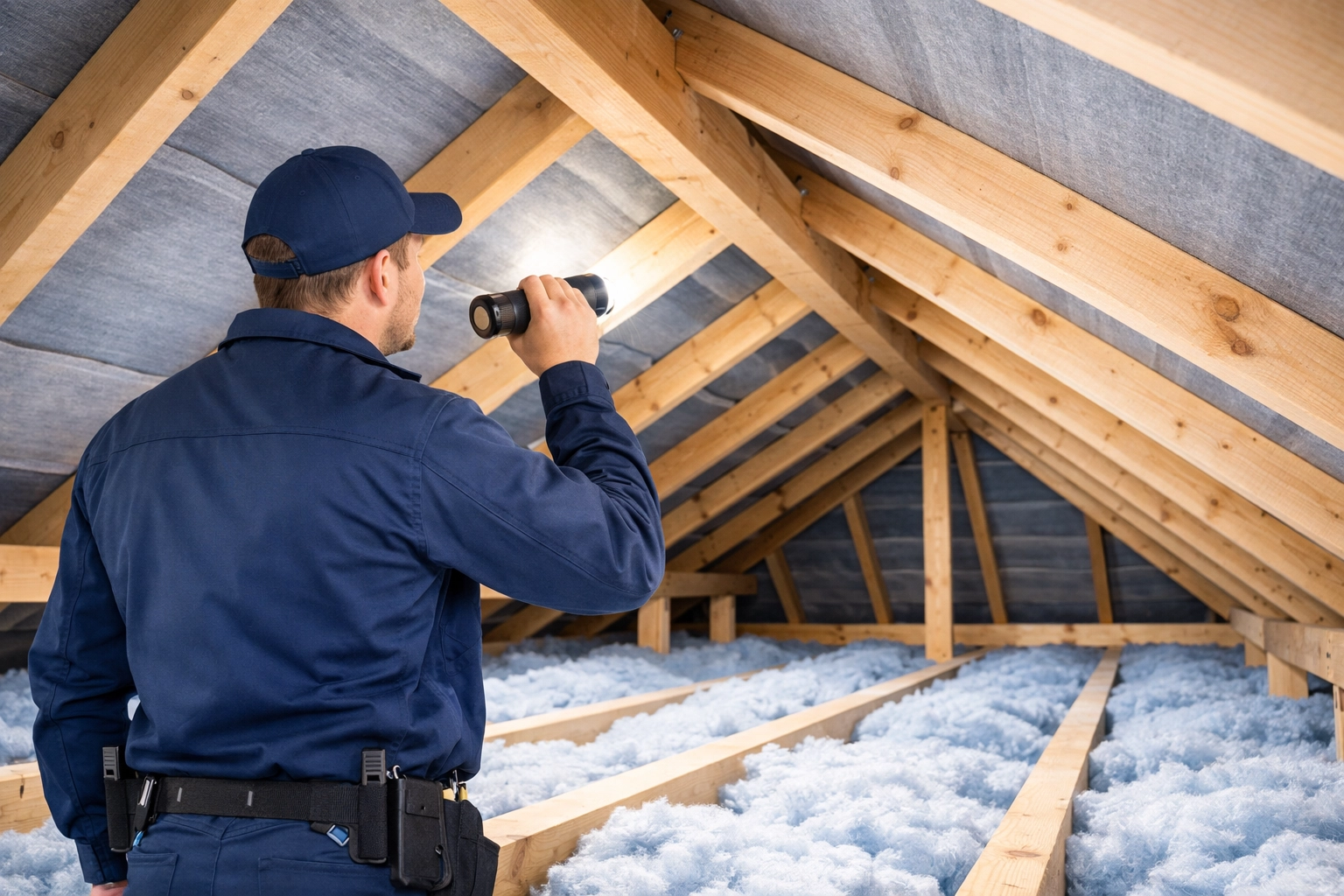
Advanced Construction & Roofing Roof Survey Service A professional roof inspector examines ceiling damage and insulation while taking notes. The image promotes Advanced Construction & Roofing's roof survey service, offering visual surveys, photo evidence, defect identification, and in-depth analysis for property owners. Contact details and a website link are included for booking a survey.

Why Do You Need a Roof Survey?

For Buyers

If you're buying a property in Belfast, Bangor, or Newtownards, a roof survey gives you serious negotiating power. Finding out the roof needs £8,000 worth of work after you've bought the house is a nightmare scenario you can avoid.

A survey tells you:

  • Whether the roof needs immediate work
  • If repairs can wait a few years
  • What the likely replacement cost will be
  • If there are hidden structural issues

Armed with this information, you can negotiate the sale price, ask the seller to fix issues before completion, or budget properly for upcoming work.

For Sellers

If you're selling, getting a roof survey done before listing your property shows buyers you're transparent and have nothing to hide. It can actually speed up the sale process because buyers won't need to request their own survey, and you can address any issues proactively.

For Existing Homeowners

Even if you're not buying or selling, a roof survey is smart maintenance. Northern Ireland weather is brutal on roofs: wind, rain, temperature swings: and catching problems early always costs less than emergency repairs.

Request a survey if you notice:

  • Leaks or damp patches inside
  • Missing or slipped tiles
  • Sagging rooflines
  • Excessive moss growth
  • Poor ventilation or condensation issues

Professional roof survey inspection checklist with tools on Belfast residential roof

What We Look For During a Roof Survey

When we carry out a roof survey across Belfast, Bangor, and Newtownards, here's what we're checking in detail:

1. Tiles, Slates, and Roof Covering

We inspect for cracked, slipped, or missing tiles. Even a few missing tiles can let water in, which leads to timber rot and structural damage. We also check if tiles are securely fixed or if the battens beneath are deteriorating.

For flat roofs, we assess the membrane condition, looking for blistering, splits, or areas where water is pooling.

2. Leadwork and Flashing

Leadwork around chimneys, skylights, and abutments is critical. If the lead flashing is cracked, torn, or poorly installed, water will track in: especially during wind-driven rain, which we get plenty of in Northern Ireland.

We check:

  • Lead condition and secure fixing
  • Mortar pointing around chimneys
  • Seal integrity around pipes and vents

3. Structural Integrity

We assess the roof structure from inside (where possible) and outside. This includes checking for:

  • Sagging or uneven rooflines (a sign of failing rafters or roof spread)
  • Timber rot or beetle infestation
  • Signs of previous repairs that may have been done incorrectly

If we spot structural concerns, we'll recommend a more detailed structural survey.

4. Gutters, Soffits, and Fascias

Gutters that are blocked, sagging, or leaking cause water to overflow and damage walls, soffits, and foundations. We check:

  • Secure attachment of gutters
  • Debris accumulation
  • Water pooling or leaks at joints
  • Condition of soffits and fascias for rot or deterioration

5. Ventilation and Moisture Management

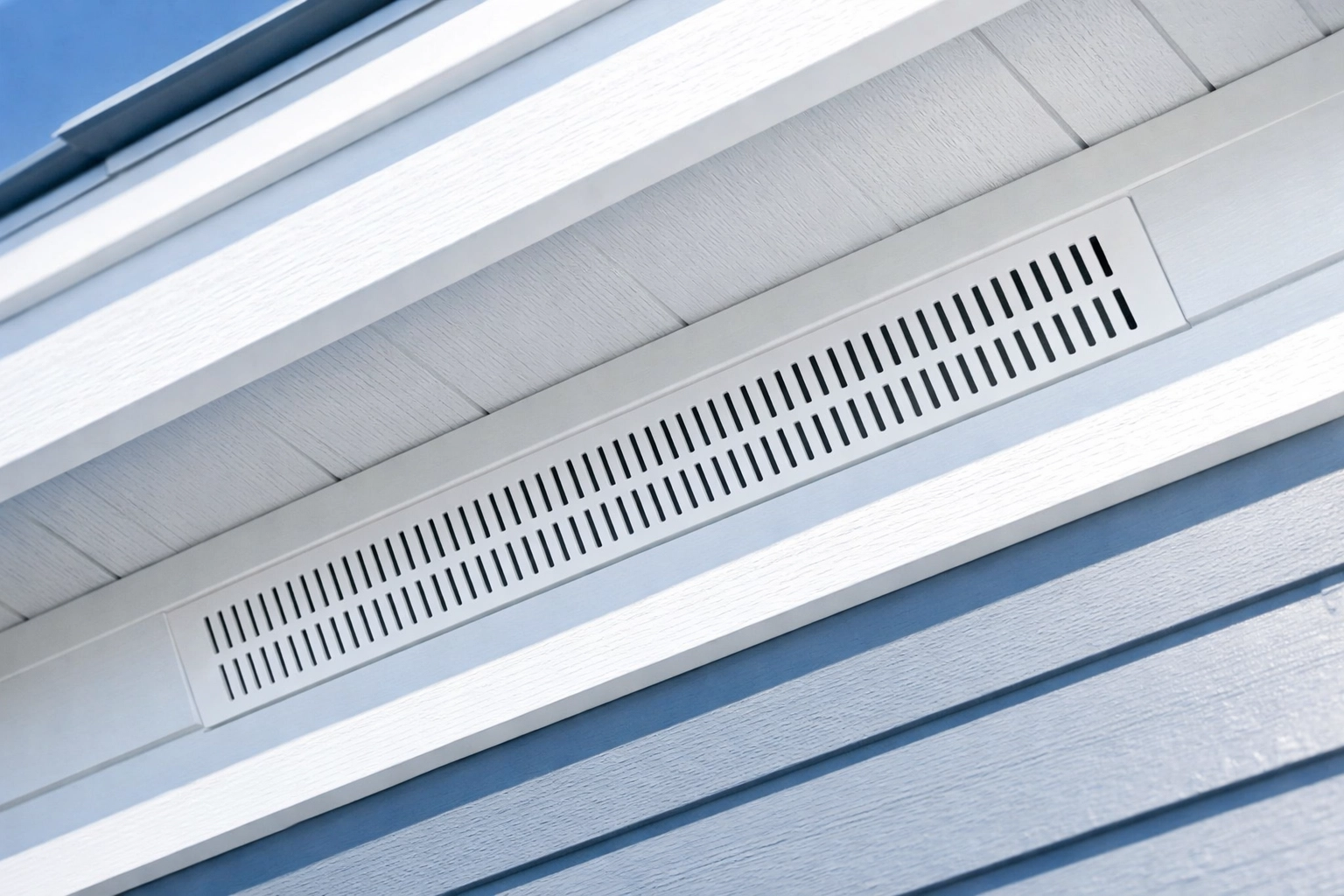
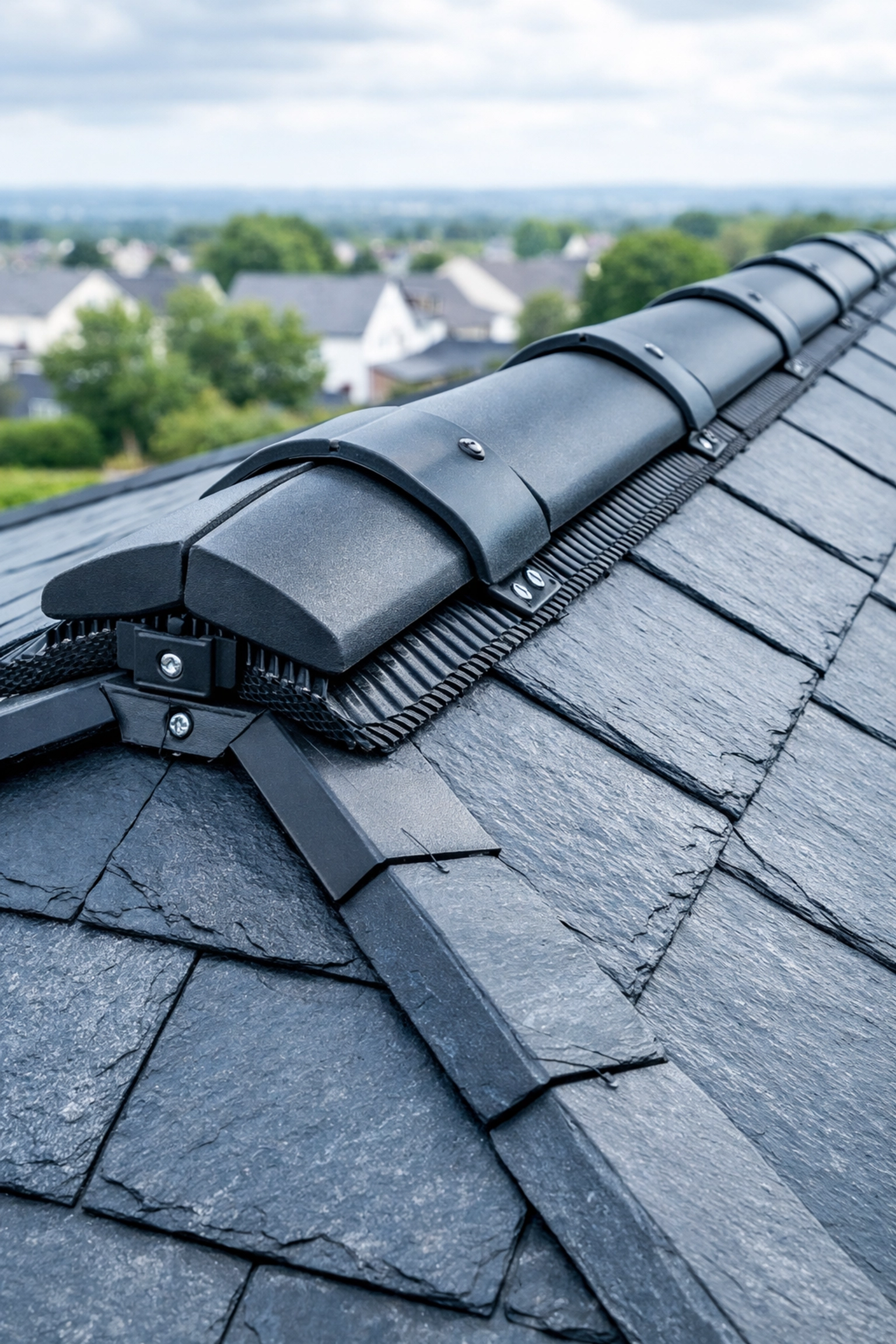
Poor ventilation leads to condensation, which rots timbers and ruins insulation. We check soffit vents, ridge vents, and exhaust vents to ensure proper airflow.

For flat roofs, trapped moisture is a common issue. Core samples help us identify if moisture has penetrated the roof build-up, which can lead to premature failure.

Roofer Roof Inspection in Rain A roofer conducts a detailed inspection of a leaking and damaged roof during heavy rain, identifying broken tiles, exposed timber, and visible moss. The technician is equipped with tools and assesses the extent of emergency repairs needed to prevent further water ingress.

What Makes Northern Ireland Different?

Northern Ireland's weather is tough on roofs. We get heavy rain, strong coastal winds (especially in Bangor and Newtownards), and rapid temperature changes that cause materials to expand and contract.

Storm damage is a regular issue. After storms, use binoculars to inspect your roof from the ground for slipped, cracked, or missing slates and tiles. Replacing individual tiles quickly prevents water getting in and causing much bigger problems.

We often use drone or roof camera photography during surveys to give you a clear view of your roof's condition without the need for scaffolding. This is especially useful for higher or more complex roofs.

Planning Permission in Northern Ireland

Generally, you don't need planning permission to replace your roof in Northern Ireland: unless you're changing the roof's shape, height, or material. However, if your property is listed or in a conservation area, special rules apply.

When we carry out a survey, we'll advise if any work would require planning permission or listed building consent.

Questions to Ask Your Roof Surveyor

When booking a roof survey in Belfast, Bangor, or Newtownards, ask these questions:

  • What is the current condition of my roof? Get a clear, honest answer: not a sales pitch.
  • Do I need a full replacement, or will repairs suffice? Replacing a whole roof is expensive. If repairs will buy you another 5–10 years, that's worth knowing.
  • What materials do you recommend, and why? We'll explain the pros and cons of slate, tile, or flat roof membranes based on your property.
  • What are the lifespans and costs? Understanding what you're paying for and how long it will last helps you make informed decisions.
  • Do I need planning permission? We'll advise based on your property and the work required.
  • Will you provide a written report with photos? A detailed written report is essential, especially if you're buying a property or claiming on insurance.

Damaged roof showing missing tiles and moss growth compared to maintained section in Northern Ireland

When Should You Get a Roof Survey?

Before buying a property: Always. It's one of the best investments you can make during the buying process.

Before selling: Get ahead of buyer concerns and demonstrate transparency.

After a storm: If you've had high winds or heavy rain and suspect damage, book a survey quickly to assess and prevent further issues.

Every 5–10 years: Regular inspections catch small problems before they become expensive emergencies.

If you notice warning signs: Leaks, damp patches, moss growth, sagging, or poor ventilation all warrant a professional inspection.

What Happens After the Survey?

Once we've completed your roof survey, we provide a detailed written report with photos, defect identification, and our recommendations. This report will clearly outline:

  • Issues found and their severity
  • Recommended repairs or replacement work
  • Estimated costs
  • Urgency of work (immediate, short-term, or long-term)

If repairs are needed, we'll provide a transparent quote with no hidden costs. If the roof is in good condition, we'll tell you that too: our job is to give you honest, professional advice, not to sell you work you don't need.

Get Your Roof Survey Booked

If you're in Belfast, Bangor, or Newtownards and need a professional roof survey, we're here to help. Whether you're buying, selling, or just want to check your roof's condition, we'll give you clear answers and honest recommendations.

Contact Advanced Construction & Roofing today: https://adv-group.co.uk

A roof survey isn't just paperwork; it's peace of mind. And in Northern Ireland's weather, that's worth its weight in gold.

Slate vs Tile: How to Choose the Best Material for Your Roof Replacement

Replacing your roof is one of the biggest investments you'll make in your property. Get it right, and you'll enjoy decades of protection and curb appeal. Get it wrong, and you're looking at costly repairs, weather damage, and a roof that doesn't suit your home or budget.

The choice between slate and tile roofing often leaves homeowners in Belfast and across Northern Ireland scratching their heads. Both materials have stood the test of time on properties throughout the UK, but they serve different needs, budgets, and architectural styles.

Let's break down exactly what you need to know to make the right choice for your roof replacement.

Understanding Slate Roofing: The Premium Option

Natural slate has roofed buildings across Ireland and the UK for centuries. This natural stone material splits into thin sheets, creating that distinctive, elegant appearance you'll see on period properties and high-end homes throughout Belfast.

Slate delivers unmatched longevity. With proper installation and maintenance, a slate roof will last well over 100 years: often outlasting the building itself. You'll find Victorian-era slate roofs in Belfast that still perform perfectly after 150 years.

The material comes from quarries, primarily in Wales and Spain, though Irish slate was historically common. Each slate tile is a piece of natural stone, meaning no two roofs look exactly alike. The subtle color variations and texture create a premium aesthetic that's hard to replicate.

Understanding Tile Roofing: The Versatile Alternative

Roof tiles come in two main types: clay and concrete. Both have been used extensively across Northern Ireland, offering homeowners more flexibility in design, color, and price point than slate.

Clay tiles deliver that classic terracotta look you'll see on Mediterranean-style properties, though modern clay tiles come in various colors. Concrete tiles offer even more versatility, manufactured in dozens of profiles, textures, and finishes to suit any architectural style.

Tile roofing typically lasts 50 to 70 years: shorter than slate but still a solid long-term investment. The material has evolved significantly, with modern manufacturing producing tiles that perform exceptionally well in Northern Ireland's challenging climate.

Slate vs tile roofing materials comparison showing texture and color differences

What Will Your Roof Replacement Actually Cost?

Budget matters, and there's no point pretending otherwise. The cost difference between slate and tile is significant, and you need those numbers upfront.

Slate roofing costs £15–£30 per square foot to install. For an average Belfast home, you're looking at £15,000–£40,000+ depending on roof size and complexity. That's a substantial investment, no question about it.

Tile roofing costs £10–£20 per square foot to install. The same Belfast home might cost £10,000–£25,000 to re-roof with quality tiles. That's roughly 30–40% less than slate for the initial installation.

But here's what those numbers don't tell you: lifetime cost calculations change the picture. If your slate roof lasts 100+ years and your tile roof needs replacement after 60 years, the slate effectively costs less per year of service. You'll likely never replace a properly installed slate roof during your ownership: or your children's ownership.

Tile replacement isn't a distant concern either. At the 50-70 year mark, you or future owners will face another £10,000–£25,000 replacement project.

How Long Will Each Material Actually Last?

Durability isn't just about lifespan: it's about performance throughout that lifespan. Both materials can last decades, but they age differently.

Slate roofs require minimal intervention for a century or more. The stone doesn't degrade, rot, or deteriorate in ways that affect performance. Individual slates may crack or slip from fixings over time, but the material itself remains sound. Belfast's Victorian terraces prove this: many still wear their original slate roofs.

Tile roofs deliver 50-70 years of reliable service when properly installed and maintained. Concrete tiles may show some surface wear in harsh weather, and clay tiles can crack under severe frost cycles, but modern manufacturing has significantly improved durability.

The catch? Installation quality matters enormously for both materials. A poorly installed slate roof won't reach 100 years, and a badly fitted tile roof might fail in 30. This is why choosing experienced roofers matters as much as choosing materials.

Weight Considerations: Will Your Roof Structure Cope?

Here's something many homeowners don't consider until they're mid-project: both slate and tile are heavy materials that may require structural assessment.

Natural slate weighs approximately 7.8 lbs per square foot. That's substantial, but most traditionally built Belfast homes were designed to carry slate, so existing structures often cope fine.

Tile weighs 9.6–15.2 lbs per square foot, with clay tiles being roughly 50% heavier than concrete options. This extra weight can be a concern for extensions, conversions, or older buildings where structural capacity isn't certain.

Before committing to either material, request a structural survey. A qualified surveyor will assess whether your roof timbers, walls, and foundations can safely carry the load. Reinforcement is possible but adds cost: sometimes enough to change your material decision.

We've worked on countless Belfast properties where structural limitations ruled out certain materials. Better to know upfront than discover mid-installation that you've got a problem.

Advanced Construction & Roofing Roof Survey Service

How Does Northern Ireland's Climate Affect Your Choice?

Belfast weather doesn't mess about. We face freeze-thaw cycles, heavy rain, strong winds, and everything in between. Your roofing material needs to handle these conditions year after year.

Slate performs exceptionally well in cold, wet climates. The dense stone absorbs minimal water, so freeze-thaw damage is rare. When temperatures plummet and water expands in porous materials, slate simply doesn't have enough absorbed moisture to cause problems. This makes slate ideal for Northern Ireland's climate.

Tile handles our weather differently. Clay tiles perform well but can crack in severe frost if water penetrates them. Concrete tiles are more vulnerable to moisture absorption, which can lead to frost damage over time. Modern tiles incorporate better water resistance, but they'll never match slate's impermeability.

Both materials handle wind well when properly fixed. The key is using appropriate fixings for your location: coastal properties in County Down need different specifications than sheltered Belfast suburbs.

What About Roof Pitch Requirements?

Your roof's angle affects which materials you can use. Some roofs simply aren't suitable for certain materials, regardless of preference.

Slate performs best on roofs with pitches above 20 degrees. You can install slate on shallower pitches with additional waterproofing measures, but it's not ideal. Many Belfast terraces and Victorian properties have steep pitches specifically designed for slate.

Tile works on pitches as low as 15 degrees, giving you more flexibility. This matters for extensions, single-story additions, or modern architectural designs with shallower roof angles.

If your existing roof has a low pitch, tile might be your only practical option between these two materials. Alternatively, you might need to consider flat roofing solutions like EPDM or liquid roofing systems.

Which Material Suits Your Property's Style?

Aesthetics matter. Your roof makes up roughly 40% of your property's visible exterior, so it needs to suit the building.

Slate delivers timeless, elegant appearance that suits period properties, traditional builds, and upmarket contemporary designs. The natural stone has subtle color variations: from dark grey to purple-tinged Welsh slate or green-tinged alternatives. Belfast's Georgian and Victorian architecture looks right with slate because that's what was originally specified.

Tile offers far more design versatility. You'll find tiles in red, brown, grey, black, and various blended finishes. Profiles range from flat and sleek to deep and chunky. Want a Mediterranean look? Clay tiles deliver. Prefer modern minimalism? Smooth concrete tiles work perfectly.

Consider your property's architectural style, your street's character, and planning requirements. Conservation areas in Belfast may restrict your choices, and some developments have covenants specifying roofing materials.

What Maintenance Will You Actually Need?

Both materials are marketed as "low maintenance," but what does that actually mean in practice?

Slate requires minimal ongoing maintenance. Annual inspections to check for slipped or cracked slates, gutter cleaning, and occasional individual slate replacement is typically all you need. The material doesn't degrade, so there's no painting, treating, or surface maintenance. Budget for inspection and minor repairs rather than major maintenance.

Tile needs slightly more attention. Concrete tiles can accumulate moss and algae in Belfast's damp climate, requiring periodic cleaning. Individual tiles may crack and need replacement, particularly in exposed locations. Clay tiles are more maintenance-free but cost more initially. Plan for inspection, cleaning, and occasional tile replacement.

Neither material requires the regular painting and treatment that timber roofing demands, so both genuinely offer low maintenance compared to other options.

Making Your Decision: Which Material Is Right for You?

You've got the information: now let's make this decision practical.

Choose slate if you:

  • Want the longest possible lifespan with minimal maintenance
  • Own a period property where slate suits the architecture
  • Can afford the higher upfront investment
  • Have adequate roof structure to carry the weight
  • Value the premium, natural aesthetic
  • Plan long-term ownership where lifetime costs matter

Choose tile if you:

  • Need to manage initial installation costs
  • Want more design flexibility and color options
  • Have a lower-pitch roof that suits tile better
  • Prefer the appearance of tile for your property style
  • Don't mind replacing the roof again in 50-70 years
  • Need faster installation with lower labor costs

There's no wrong choice here: only the wrong choice for your specific situation, budget, and property.

Get Expert Guidance for Your Roof Replacement

Choosing materials is just the first step. Proper installation determines whether your new roof delivers its full potential lifespan and performance.

At Advanced Construction & Roofing, we've installed both slate and tile roofs across Belfast and throughout Northern Ireland for years. We'll assess your property's structure, discuss your budget honestly, and recommend materials that genuinely suit your needs: not just what's easiest for us to install.

Request a free survey and quotation. We'll visit your property, assess your existing roof, discuss your options, and provide clear, transparent pricing for both slate and tile solutions. No pressure, no surprises, just honest advice from experienced professionals.

Contact Advanced Construction & Roofing today at https://adv-group.co.uk to discuss your roof replacement. Let's make sure your investment delivers decades of reliable protection and lasting value.

Storm Damage in Northern Ireland: A Guide to Roof Repairs and Insurance Claims

Northern Ireland weather doesn't mess about. One minute it's calm, the next you've got 60mph winds ripping tiles off roofs across Belfast and beyond. When storm damage hits your home, knowing exactly what to do: and what not to do: can save you thousands of pounds and prevent serious structural problems.

This guide walks you through everything: spotting genuine roofing emergencies, protecting your property immediately, understanding repair costs, and navigating insurance claims without the headaches.

What Actually Counts as a Roofing Emergency?

Not every missing tile means you need to panic, but some situations demand immediate professional attention. Here's what constitutes a genuine emergency:

Major leaks or water ingress top the list. If water is actively pouring into your home during heavy rain, you've got a serious problem. Water soaking through ceilings damages insulation, shorts electrical wiring, and creates the perfect environment for mould growth and structural decay. Act fast.

Storm damage from high winds can rip entire sections of tiles off, dislodge flashing around chimneys, or damage the roof surface itself. Falling branches during storms can puncture straight through your roof covering, leaving your home exposed to the elements.

Collapsed roof sections are rare but represent major emergencies requiring immediate evacuation and professional assessment. Never enter a property with visible roof collapse: the structural integrity is compromised.

Chimney or flashing failure might not sound dramatic, but failed flashing around chimneys or skylights allows significant water penetration. In high winds, loose chimney components become dangerous projectiles.

Here's the key distinction: if tiles blow off but there's no water getting inside, you've got time. The roofing felt underneath should prevent water ingress temporarily. It needs fixing, but it's not a middle-of-the-night emergency.

Storm damaged roof with missing tiles and dark clouds in Northern Ireland

What Should You Do Immediately After Storm Damage?

Speed matters when storm damage strikes. Follow these steps to protect your property and stay safe:

Protect your interior first. Place buckets under active leaks, lay down towels to absorb water, and move furniture and valuables away from affected areas. If you have tarpaulin and it's safe to use indoors, cover exposed areas to minimize damage.

Never climb onto your roof. This cannot be stressed enough. Storm-damaged roofs are unstable and dangerous. You're not a professional roofer, you don't have the safety equipment, and one wrong step could mean a serious fall. Leave all inspections to qualified professionals.

While waiting for emergency roofing services, turn off electricity in affected areas: water and electrics don't mix. Avoid entering your attic if there's visible damage to the roof structure above. If you suspect your roof might collapse, evacuate the property immediately and call emergency services.

Some homeowners consider temporary tarping as a stopgap measure. If you're going down this route, you'll need proper tarp, measuring tape, a utility knife, heavy boards, a saw, staple gun, and nails. But here's the critical point: never attempt to tarp your roof during wind, lightning, or rain. These conditions add massive danger. If conditions are that bad, it's already too dangerous for DIY work: call professionals with proper safety equipment.

Emergency Roofing Repair

How Quickly Can Emergency Roofers Respond?

Most established Northern Ireland roofing companies offer 24/7 emergency response services with no callout fees. Response times are typically same-day, depending on your location and current weather conditions. During major storms affecting multiple properties, prioritization goes to the most severe damage.

Emergency repairs can take anywhere from a few hours to a couple of days. Severity and weather conditions dictate the timeline: no reputable roofer will attempt permanent repairs in active rain. That's asking for poor workmanship and further problems.

Some damage requires initial temporary repairs while roofers wait for proper materials or better weather conditions. Designer tiles, slate roofing, or specialist materials may not be immediately available. Fire-damaged roofs, particularly thatched properties, take longer to assess due to safety concerns around structural stability.

Professional emergency roofers will provide a full assessment of visible damage, implement temporary waterproofing where needed, and create a follow-up plan for permanent repairs once conditions allow.

What Do Emergency Roof Repairs Actually Cost?

Repair costs vary based on damage severity, materials needed, and accessibility. Here's what you're realistically looking at in Northern Ireland:

Minor repairs covering single tiles or slates typically run £80–£200. This includes straightforward replacements where the underlying structure remains sound.

Moderate repairs involving several tiles, ridge repairs, or minor flashing work fall in the £200–£600 range. These jobs require more materials and time but don't involve major structural work.

Extensive storm damage requiring significant tile replacement, structural timber repairs, or complete ridge systems can run into thousands. Every property and situation is unique: comprehensive quotes following proper assessment are essential.

Remember that designer tiles or natural slate cost more than standard concrete tiles. Matching existing materials matters for both aesthetics and property value, but it affects pricing.

Most reputable roofing contractors provide transparent, itemized quotes. No hidden fees, no surprise charges. Professional companies stand by their pricing and explain exactly what you're paying for.

Roofer Roof Inspection in Rain

Does Insurance Cover Storm Damage to Roofs?

Most home insurance policies cover storm damage, including fallen trees, wind damage, and emergency roof repairs. Coverage typically includes the cost of repairs and sometimes temporary accommodation if your home becomes uninhabitable.

Here's the catch: policies require you to act quickly to minimize damage. If you spot storm damage and do nothing, allowing rain to pour in for days or weeks, your insurer might argue you didn't take reasonable steps to prevent further damage. Document everything, take photos, and arrange emergency repairs promptly.

Always check your specific policy terms. Some policies have storm damage excess fees, wind speed thresholds, or specific exclusions. Know what you're covered for before you need to make a claim.

Professional roofers experienced in insurance work make the claims process smoother. They provide detailed damage assessments, comprehensive photo evidence, and accurate quotes that insurance companies trust. Many established roofing companies liaise directly with insurers, providing exactly the documentation needed without back-and-forth delays.

When selecting an emergency roofing contractor, ask about their experience with insurance claims. Contractors who regularly work with insurers understand what evidence is required and how to present information for quick approval.

Advanced Construction & Roofing Roof Survey Service

Why Never Attempt Emergency Roof Repairs Yourself

DIY enthusiasm is admirable. Emergency roof repairs are not the time for it.

Climbing onto storm-damaged roofs is extremely dangerous. Structural instability you can't see from ground level can result in catastrophic falls and serious injury. Wet tiles are slippery. Damaged timber underneath may not support your weight. Professional roofers have safety harnesses, proper footwear, and training specifically for working at height.

Bad weather compounds the danger. Attempting repairs during continued storms, high winds, or lightning strikes is asking for tragedy. If conditions are bad enough to cause damage, they're bad enough to make DIY repairs deadly.

Fire-damaged roofs present additional hazards. Hidden structural weakness from heat damage isn't visible until you're on the roof: and by then it's too late.

Professional roofing contractors carry liability insurance, employer's liability coverage, and public liability protection. If something goes wrong during professional repairs, you're protected. If something goes wrong during DIY repairs, you're facing medical bills, property damage, and potential insurance complications.

Choose Experienced Local Roofing Contractors for Storm Damage

When storm damage strikes, choose established local contractors with proven emergency response capabilities. Look for companies offering rapid-response services, transparent pricing, and experience working with insurance companies.

Reputable contractors provide comprehensive damage assessments, implement emergency waterproofing where needed, and create clear plans for permanent repairs. They communicate throughout the process, provide detailed quotes before starting work, and stand behind their workmanship with proper guarantees.

Request references from previous emergency repair work. Ask about response times, professionalism, and quality of completed repairs. Established local companies build reputations on reliability: they can't afford to provide poor service when homeowners need help most.

Storm damage is stressful enough without worrying about whether your roofer will show up or do quality work. Partner with professionals who've proven themselves during Northern Ireland's worst weather, and you'll have one less thing to worry about when the next storm hits.

Contact Advanced Construction & Roofing for emergency storm damage repairs. Our team responds quickly, works professionally, and delivers lasting solutions that protect your home and your investment. Visit our website or call us directly( we're here when you need us most.)

Leaking Chimney? Why Leadwork and Pointing Are Often the Real Culprits

You've noticed the damp patch on your ceiling. Maybe it's a water stain creeping down your bedroom wall, or worse, actual drips coming through during heavy Belfast rain. Your first thought? "The roof must be leaking."

But here's the thing: when water appears near your chimney, the roof tiles are rarely the problem. Nine times out of ten, it's your chimney's leadwork or pointing that's letting water in. And if you don't address these issues properly, that small damp patch will turn into a major headache involving structural damage, mould, and a repair bill that keeps climbing.

Let's break down exactly why your chimney is leaking and what needs fixing.

Why Your Chimney Is the Weak Point in Your Roof

Your chimney penetrates through your roof, creating a natural vulnerability. Think about it, this solid brick structure needs to connect seamlessly with your roof tiles, and that junction needs to be completely watertight despite constant exposure to Northern Ireland's wind and rain.

Two components keep water out at this critical junction:

  • Lead flashing (the metal sheets that bridge the gap between chimney and roof)
  • Mortar pointing (the cement between the chimney bricks)

When either of these fails, water finds its way in. And trust us, water always finds a way.

Damaged lead flashing around brick chimney showing gaps where water enters the roof

The Leadwork Problem: Why Your Flashing Is Failing

Lead flashing has been used around chimneys for centuries because it's durable and flexible. But "durable" doesn't mean "permanent."

Here's what happens to lead flashing over time:

The lead sheets around your chimney are constantly expanding and contracting with temperature changes. In Belfast, we see dramatic temperature swings, scorching summer days followed by freezing winter nights. This thermal movement gradually works the lead loose from where it's embedded in the chimney mortar.

Add in wind uplift during storms, and you've got lead flashing that's slowly pulling away from the chimney face. Once there's even a tiny gap, rainwater drives in behind the flashing and runs straight down into your roof structure.

Poor installation makes it worse. We regularly see DIY jobs or rushed repairs where:

  • Lead flashing isn't dressed properly against the chimney contours
  • Step flashing isn't installed correctly on the chimney sides
  • The lead isn't tucked deep enough into the mortar joints
  • No soakers were installed under the lead (yes, these are still necessary)

You won't see these problems from ground level. The flashing might look fine. But up close, we find gaps, splits, and sections that have completely come loose.

Pointing: The Mortar Problem Everyone Ignores

While you're looking at the flashing, don't forget to look at the chimney bricks themselves.

Mortar deteriorates. That's just reality. The cement between your chimney bricks takes a beating from weather exposure, and eventually it starts to crumble. When that happens, you've got cracks and gaps where water can penetrate.

Advanced Construction & Roofing Roof Survey Service

The freeze-thaw cycle accelerates the damage. Water seeps into tiny cracks in the mortar, then temperatures drop below freezing (which happens regularly in Northern Ireland winters), the water expands as it freezes, and the crack gets bigger. Rinse and repeat all winter, and you've got mortar that's literally falling out of the joints.

We see this constantly on older Belfast properties. The original pointing might have lasted 40-50 years, but once it starts failing, the deterioration accelerates quickly.

The worst part? Most homeowners don't realize pointing is failing until water is already coming through. By that point, the damage isn't just in the mortar: it's in the brickwork behind it and possibly in your roof timbers too.

How to Spot the Warning Signs Before Major Damage Occurs

Don't wait for water stains to appear. Here's what to watch for:

Inside your home:

  • Damp patches on walls or ceilings near the chimney
  • Musty smells in rooms adjacent to the chimney breast
  • Wallpaper or paint peeling near the chimney
  • White staining (efflorescence) on interior chimney brickwork

Outside (visible from ground level):

  • Crumbling or missing mortar between chimney bricks
  • White staining or discoloration on exterior chimney brickwork
  • Vegetation growing from mortar joints
  • Bricks that look loose or out of alignment

What you can't see without getting up there:

  • Lead flashing that's pulled away from mortar joints
  • Cracks or splits in the lead itself
  • Missing or damaged soakers under the flashing
  • Deteriorated mortar where the lead is tucked in

This is exactly why professional roof surveys are essential. We get up on the roof, inspect everything up close, and document problems before they become emergencies.

Professional roofer inspecting deteriorating chimney pointing with crumbling mortar joints

Why This Isn't a DIY Job (and Why Quick Fixes Fail)

We get it: you're handy, and you want to save money. But chimney leadwork and repointing require specific skills and knowledge.

Here's what proper leadwork involves:

  • Code 4 or Code 5 lead (the correct thickness for the application)
  • Proper dressing techniques to shape the lead to the chimney profile
  • Correct overlap measurements on step flashings
  • Lead wedges and mortar fillets installed to Code 3 standards
  • Back gutters behind the chimney dressed and installed correctly

And proper repointing isn't just slapping mortar in the gaps:

  • Old mortar must be raked out to the correct depth (usually 15-20mm)
  • The correct mortar mix for the existing brick type
  • Proper technique to ensure good bonding and weatherproofing
  • Finishing that sheds water rather than absorbing it

Get any of this wrong, and you've wasted your time and money. The leak continues, or worse: improper repairs create new problems.

We've seen countless "repairs" that made things worse. Silicone sealant slathered around flashing (it doesn't last and prevents proper drainage). Incorrect mortar mixes that are too hard and crack the bricks. Lead that's too thin and splits within a year.

Professional work comes with guarantees. Our repairs are done right the first time, and we stand behind them.

The Professional Solution: What Proper Repairs Look Like

When we tackle a chimney leak caused by leadwork or pointing issues, here's our process:

Assessment First: We conduct a thorough inspection to identify all problems: not just the obvious ones. Often there are multiple issues that need addressing.

Complete Leadwork Renewal: If your lead flashing is failing, we don't patch it. We remove the old lead, install new Code 4 or Code 5 lead properly dressed and tucked into the chimney, and ensure all step flashings and soakers are correctly positioned.

Professional Repointing: We rake out deteriorated mortar to the proper depth, use the correct mortar mix for your chimney's brick type, and repoint using techniques that ensure weatherproofing and longevity.

Additional Repairs: While we're up there, we check your chimney cap, flaunching (the mortar around the chimney pots), and the overall condition of the chimney stack. It makes no sense to fix the flashing but leave a cracked chimney cap that will cause leaks next winter.

Roofer Roof Inspection in Rain

Documentation: You receive photos of the problems we found and the repairs we completed. This is essential for your records and invaluable if you're dealing with insurance claims.

Don't Wait Until the Damage Spreads

Here's the reality: chimney leaks don't fix themselves, and they always get worse.

That small damp patch you're noticing? It represents water that's already penetrated your roof structure. Every time it rains, more water gets in. Your roof timbers are getting wet. Insulation is becoming saturated. Mould is growing in places you can't see.

The longer you wait, the more extensive (and expensive) the repairs become. What starts as straightforward leadwork replacement and repointing can turn into structural timber repairs, rafter replacement, and interior plastering work.

Get Your Chimney Properly Assessed

If you're seeing any signs of chimney-related water ingress: or if your chimney hasn't been inspected in years: contact Advanced Construction & Roofing for a professional roof survey.

We'll get up on your roof, conduct a thorough inspection of your chimney leadwork and pointing, document any issues with photos, and provide you with a clear explanation of what needs fixing and why.

Our surveys are honest and transparent. We tell you what needs doing now and what can wait. We provide detailed quotes before starting any work. And our repairs are carried out by experienced tradespeople who know Belfast roofs inside and out.

Don't let a leaking chimney damage your home. Call us today on 028 9099 8837 or visit adv-group.co.uk to book your roof survey.

Your chimney leak has a cause: and it has a solution. Let's identify the problem and get it fixed properly, before the next storm hits.