


Winter in Northern Ireland doesn't mess about. Between the howling Atlantic winds, relentless rain, and the occasional snow dump, your roof takes an absolute battering from November through March. The question isn't whether the storms will come: it's whether your roof is ready when they do.
Every year, we get calls from homeowners across Belfast, Lisburn, and Bangor who ignored the warning signs. A loose tile here, a blocked gutter there. Then one stormy night, they wake up to water pouring through the ceiling. Don't let that be you.
Here's the good news: preparing your roof for winter isn't complicated. With a bit of planning and the right professional support, you can protect your home and avoid those dreaded emergency repair bills.
Why Does Winter Hit Northern Ireland Roofs So Hard?
Our climate is uniquely challenging for roofing systems. We don't get the extreme cold of Scandinavia or the heavy snowfall of the Scottish Highlands. Instead, we get something arguably worse: a relentless combination of wind-driven rain, temperature fluctuations, and damp conditions that find every weakness in your roof.
The main culprits include:
- Strong westerly winds that lift tiles and damage ridge systems
- Persistent rainfall that exploits even the smallest gaps
- Freeze-thaw cycles that crack mortar and expand existing damage
- Blocked gutters that cause water to back up under tiles
The worst part? Most winter roof damage starts small. A hairline crack, a slightly lifted tile, a bit of moss growth. Left unchecked through autumn, these minor issues become major emergencies when the storms roll in.
Check for Loose or Damaged Tiles Before It's Too Late
Your tiles are the first line of defence against Northern Ireland's weather. One loose tile might not seem like a big deal in September, but come January, it's an open invitation for water ingress.
Walk around your property and look up. You're checking for:
- Tiles that appear lifted, cracked, or out of alignment
- Missing tiles or visible gaps in coverage
- Ridge tiles that look loose or have crumbling mortar
- Damaged or corroded flashing around chimneys and vents

Can't see clearly from ground level? That's where most homeowners get caught out. Many roof problems aren't visible from the street: they require a proper inspection from someone who knows what they're looking for.
If you spot anything concerning, don't attempt DIY repairs on a roof, especially as we head into the wetter months. The risks simply aren't worth it. Call a professional and get it sorted properly before winter arrives.
Clean Your Gutters: Seriously, Do It Now
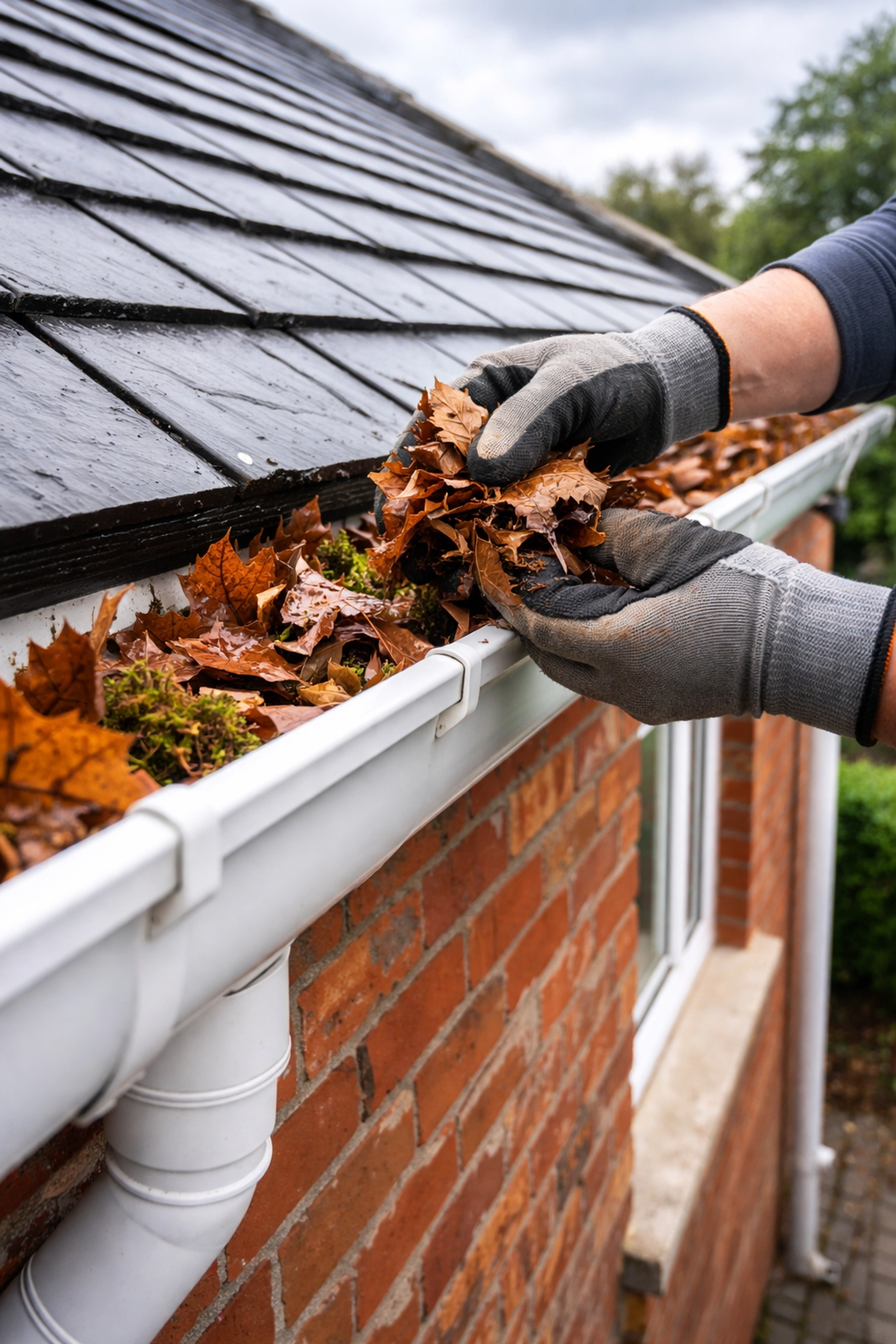
We know it's not glamorous advice. But if we could only give Northern Ireland homeowners one piece of winter prep advice, it would be this: clean your gutters before the storms hit.
Blocked gutters cause a cascade of problems. When rainwater can't flow freely, it backs up. That backed-up water finds its way under your tiles, into your fascias, and eventually into your home. In freezing conditions, that trapped water becomes ice, expanding and causing even more damage.
Here's what happens when gutters fail:
- Water overflows and saturates external walls
- Ice dams form, forcing water under roof coverings
- Fascia boards rot and become unstable
- Foundation damage from water pooling at ground level
Clear out leaves, moss, and debris from all gutters and downspouts. Check that water flows freely through the entire system. If your gutters are damaged, sagging, or pulling away from the fascia, get them repaired or replaced now: not in the middle of a January downpour.
Inspect Your Attic for Warning Signs
Your attic tells the story of your roof's health. Before winter sets in, grab a torch and have a look around up there. You're checking for signs of existing problems that will only get worse in bad weather.
Look for these red flags:
- Water stains on rafters or insulation – indicates leaks that need addressing
- Daylight visible through the roof – obvious gaps that need sealing
- Damp or musty smells – suggests moisture problems and poor ventilation
- Mould or mildew growth – a sign of condensation issues
Proper attic insulation and ventilation aren't just about energy efficiency. They prevent the temperature fluctuations that cause condensation, ice dams, and premature roof deterioration. If your attic feels excessively hot in summer or shows signs of moisture problems, the insulation and ventilation likely need attention.
Trim Back Overhanging Branches
Take a look at any trees near your property. Are branches hanging over your roof? During winter storms, those branches become a serious threat.
Heavy rain, ice, and wind can weigh down branches until they snap. If they land on your roof, you're looking at damaged tiles at minimum: and potentially much worse. Even without breaking, branches constantly scraping against your roof surface cause gradual damage to tiles and protective coatings.
Request a tree surgeon to trim back any branches within two metres of your roof line. It's a small investment that prevents potentially thousands of pounds in storm damage repairs.
Book a Professional Roof Survey Before Winter
Here's the thing about roof problems: by the time you notice them inside your home, significant damage has already occurred. Water stains on your ceiling mean water has already penetrated your roof covering, your underlay, your insulation, and your plasterboard.

A professional roof survey catches problems before they become emergencies. Our experienced surveyors identify issues you'd never spot from ground level: hairline cracks, deteriorating mortar, failing seals, blocked ventilation, and early signs of structural movement.
At Advanced Construction & Roofing, we've been helping Belfast homeowners protect their properties for years. Our comprehensive roof surveys include detailed photo evidence, defect identification, and clear recommendations for any work needed.
Don't wait until you're dealing with storm damage. Book a roof survey now and head into winter with confidence.
Create Your Winter Emergency Kit
Even with the best preparation, Northern Ireland weather can surprise us. Having supplies ready for urgent temporary repairs makes a real difference when the unexpected happens.
Keep these items accessible:
- Heavy-duty tarpaulin for covering damaged areas
- Roofing cement for emergency sealing
- A bucket and towels for managing internal leaks
- Torch with fresh batteries for attic inspections
- Contact details for a reliable local roofer

Speaking of reliable roofers: don't wait until disaster strikes to find one. Research local roofing companies now, check their reviews, and save their contact information. When you're dealing with water pouring through your ceiling at 2 AM, you don't want to be frantically searching Google for help.
If you're unsure what to look for when choosing a roofer, we've put together a guide to help you avoid common mistakes.
What If Storm Damage Has Already Occurred?
If you're reading this after a storm has already damaged your roof, don't panic: but do act quickly. Delaying repairs allows water ingress to cause secondary damage to insulation, electrics, and interior finishes.
Take these immediate steps:
- Document the damage with photos for insurance purposes
- Place containers to catch any dripping water inside
- If safe to do so, cover external damage with tarpaulin
- Contact your insurance company to report the claim
- Call a reputable local roofer for professional assessment
Avoid the temptation to accept quotes from door-to-door traders who appear after storms. Unfortunately, these situations attract unscrupulous operators looking to take advantage. Stick with established local companies who'll still be around if problems arise later.
For more guidance, read our article on mistakes to avoid after roof storm damage.
Get Storm Ready Today
Northern Ireland winters aren't getting any gentler. The time to prepare your roof is now: not when the first November storm is battering your windows.
Your action plan:
- Inspect tiles and ridge systems for damage
- Clear all gutters and downspouts
- Check your attic for warning signs
- Trim overhanging branches
- Book a professional roof survey
At Advanced Construction & Roofing, we help homeowners across Belfast, Lisburn, Bangor, and throughout Northern Ireland prepare their homes for whatever winter throws at us. Our team provides honest assessments, clear recommendations, and quality workmanship you can trust.
Contact us today to arrange your pre-winter roof survey. Call the team or visit adv-group.co.uk to get started. Don't wait for the storms( be ready for them.)