
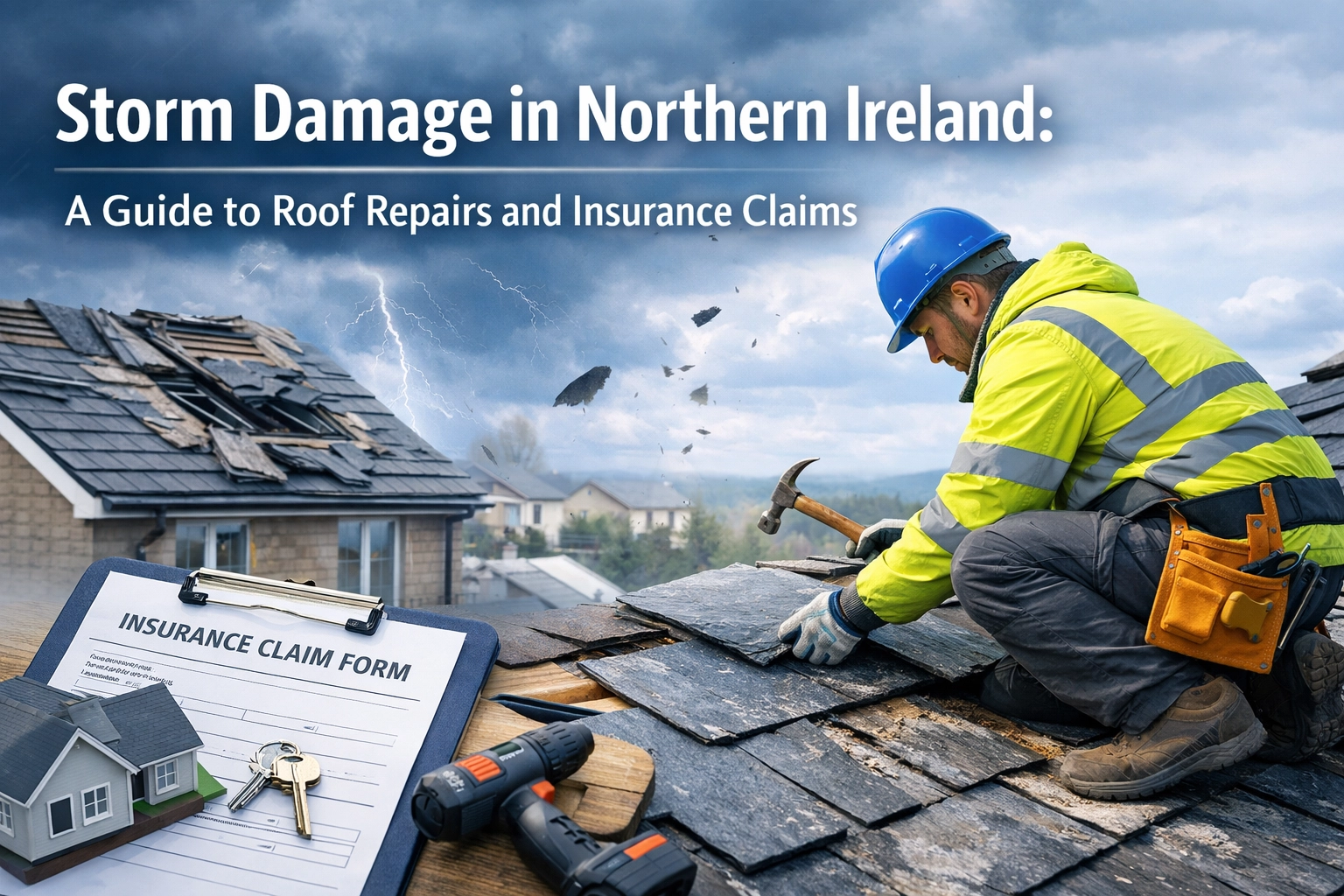

Northern Ireland weather doesn't mess about. One minute it's calm, the next you've got 60mph winds ripping tiles off roofs across Belfast and beyond. When storm damage hits your home, knowing exactly what to do: and what not to do: can save you thousands of pounds and prevent serious structural problems.
This guide walks you through everything: spotting genuine roofing emergencies, protecting your property immediately, understanding repair costs, and navigating insurance claims without the headaches.
What Actually Counts as a Roofing Emergency?
Not every missing tile means you need to panic, but some situations demand immediate professional attention. Here's what constitutes a genuine emergency:
Major leaks or water ingress top the list. If water is actively pouring into your home during heavy rain, you've got a serious problem. Water soaking through ceilings damages insulation, shorts electrical wiring, and creates the perfect environment for mould growth and structural decay. Act fast.
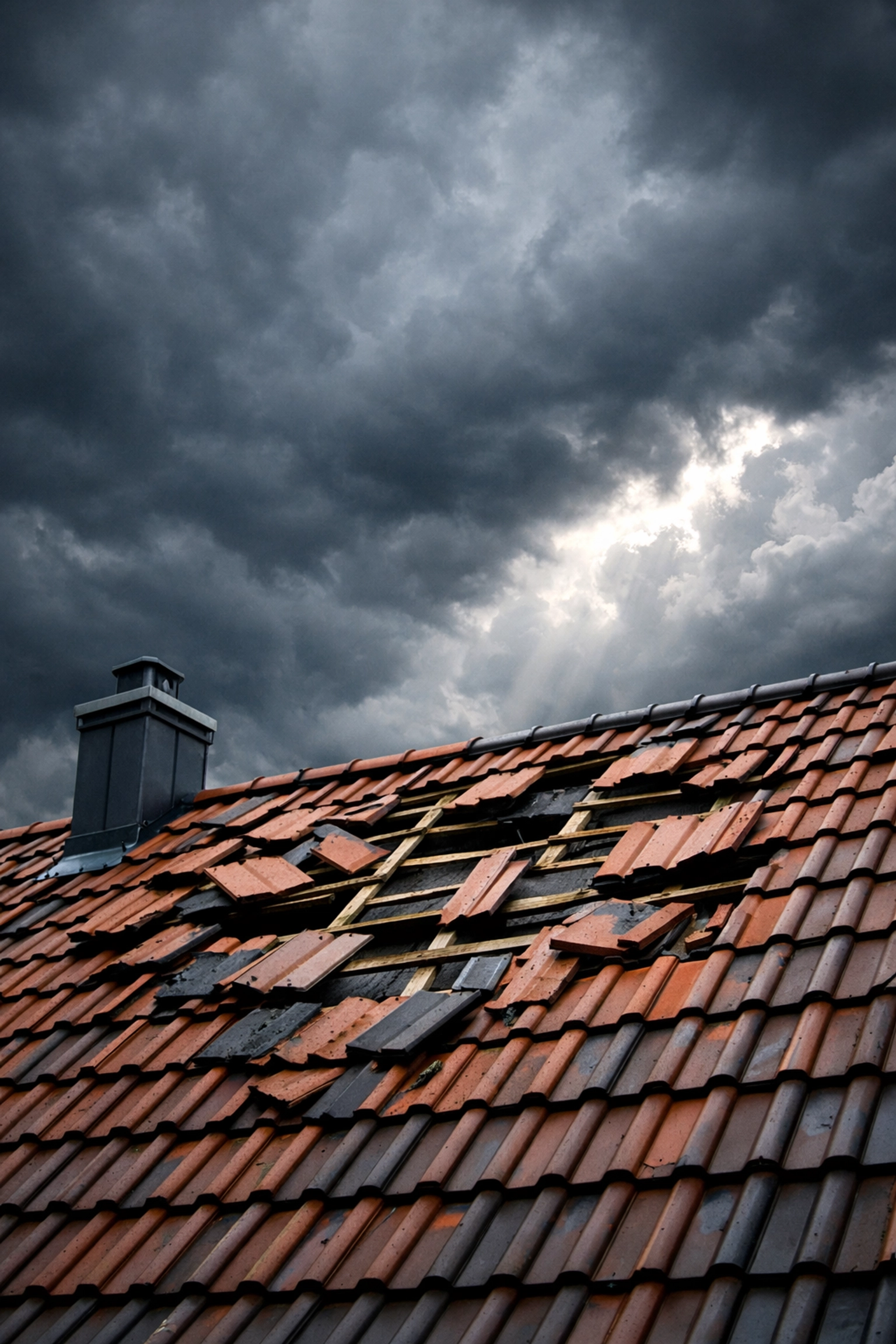
Storm damage from high winds can rip entire sections of tiles off, dislodge flashing around chimneys, or damage the roof surface itself. Falling branches during storms can puncture straight through your roof covering, leaving your home exposed to the elements.
Collapsed roof sections are rare but represent major emergencies requiring immediate evacuation and professional assessment. Never enter a property with visible roof collapse: the structural integrity is compromised.
Chimney or flashing failure might not sound dramatic, but failed flashing around chimneys or skylights allows significant water penetration. In high winds, loose chimney components become dangerous projectiles.
Here's the key distinction: if tiles blow off but there's no water getting inside, you've got time. The roofing felt underneath should prevent water ingress temporarily. It needs fixing, but it's not a middle-of-the-night emergency.
What Should You Do Immediately After Storm Damage?
Speed matters when storm damage strikes. Follow these steps to protect your property and stay safe:
Protect your interior first. Place buckets under active leaks, lay down towels to absorb water, and move furniture and valuables away from affected areas. If you have tarpaulin and it's safe to use indoors, cover exposed areas to minimize damage.
Never climb onto your roof. This cannot be stressed enough. Storm-damaged roofs are unstable and dangerous. You're not a professional roofer, you don't have the safety equipment, and one wrong step could mean a serious fall. Leave all inspections to qualified professionals.
While waiting for emergency roofing services, turn off electricity in affected areas: water and electrics don't mix. Avoid entering your attic if there's visible damage to the roof structure above. If you suspect your roof might collapse, evacuate the property immediately and call emergency services.
Some homeowners consider temporary tarping as a stopgap measure. If you're going down this route, you'll need proper tarp, measuring tape, a utility knife, heavy boards, a saw, staple gun, and nails. But here's the critical point: never attempt to tarp your roof during wind, lightning, or rain. These conditions add massive danger. If conditions are that bad, it's already too dangerous for DIY work: call professionals with proper safety equipment.

How Quickly Can Emergency Roofers Respond?
Most established Northern Ireland roofing companies offer 24/7 emergency response services with no callout fees. Response times are typically same-day, depending on your location and current weather conditions. During major storms affecting multiple properties, prioritization goes to the most severe damage.
Emergency repairs can take anywhere from a few hours to a couple of days. Severity and weather conditions dictate the timeline: no reputable roofer will attempt permanent repairs in active rain. That's asking for poor workmanship and further problems.
Some damage requires initial temporary repairs while roofers wait for proper materials or better weather conditions. Designer tiles, slate roofing, or specialist materials may not be immediately available. Fire-damaged roofs, particularly thatched properties, take longer to assess due to safety concerns around structural stability.
Professional emergency roofers will provide a full assessment of visible damage, implement temporary waterproofing where needed, and create a follow-up plan for permanent repairs once conditions allow.
What Do Emergency Roof Repairs Actually Cost?
Repair costs vary based on damage severity, materials needed, and accessibility. Here's what you're realistically looking at in Northern Ireland:
Minor repairs covering single tiles or slates typically run £80–£200. This includes straightforward replacements where the underlying structure remains sound.
Moderate repairs involving several tiles, ridge repairs, or minor flashing work fall in the £200–£600 range. These jobs require more materials and time but don't involve major structural work.
Extensive storm damage requiring significant tile replacement, structural timber repairs, or complete ridge systems can run into thousands. Every property and situation is unique: comprehensive quotes following proper assessment are essential.
Remember that designer tiles or natural slate cost more than standard concrete tiles. Matching existing materials matters for both aesthetics and property value, but it affects pricing.
Most reputable roofing contractors provide transparent, itemized quotes. No hidden fees, no surprise charges. Professional companies stand by their pricing and explain exactly what you're paying for.
Does Insurance Cover Storm Damage to Roofs?
Most home insurance policies cover storm damage, including fallen trees, wind damage, and emergency roof repairs. Coverage typically includes the cost of repairs and sometimes temporary accommodation if your home becomes uninhabitable.
Here's the catch: policies require you to act quickly to minimize damage. If you spot storm damage and do nothing, allowing rain to pour in for days or weeks, your insurer might argue you didn't take reasonable steps to prevent further damage. Document everything, take photos, and arrange emergency repairs promptly.
Always check your specific policy terms. Some policies have storm damage excess fees, wind speed thresholds, or specific exclusions. Know what you're covered for before you need to make a claim.
Professional roofers experienced in insurance work make the claims process smoother. They provide detailed damage assessments, comprehensive photo evidence, and accurate quotes that insurance companies trust. Many established roofing companies liaise directly with insurers, providing exactly the documentation needed without back-and-forth delays.
When selecting an emergency roofing contractor, ask about their experience with insurance claims. Contractors who regularly work with insurers understand what evidence is required and how to present information for quick approval.

Why Never Attempt Emergency Roof Repairs Yourself
DIY enthusiasm is admirable. Emergency roof repairs are not the time for it.
Climbing onto storm-damaged roofs is extremely dangerous. Structural instability you can't see from ground level can result in catastrophic falls and serious injury. Wet tiles are slippery. Damaged timber underneath may not support your weight. Professional roofers have safety harnesses, proper footwear, and training specifically for working at height.
Bad weather compounds the danger. Attempting repairs during continued storms, high winds, or lightning strikes is asking for tragedy. If conditions are bad enough to cause damage, they're bad enough to make DIY repairs deadly.
Fire-damaged roofs present additional hazards. Hidden structural weakness from heat damage isn't visible until you're on the roof: and by then it's too late.
Professional roofing contractors carry liability insurance, employer's liability coverage, and public liability protection. If something goes wrong during professional repairs, you're protected. If something goes wrong during DIY repairs, you're facing medical bills, property damage, and potential insurance complications.
Choose Experienced Local Roofing Contractors for Storm Damage
When storm damage strikes, choose established local contractors with proven emergency response capabilities. Look for companies offering rapid-response services, transparent pricing, and experience working with insurance companies.
Reputable contractors provide comprehensive damage assessments, implement emergency waterproofing where needed, and create clear plans for permanent repairs. They communicate throughout the process, provide detailed quotes before starting work, and stand behind their workmanship with proper guarantees.
Request references from previous emergency repair work. Ask about response times, professionalism, and quality of completed repairs. Established local companies build reputations on reliability: they can't afford to provide poor service when homeowners need help most.
Storm damage is stressful enough without worrying about whether your roofer will show up or do quality work. Partner with professionals who've proven themselves during Northern Ireland's worst weather, and you'll have one less thing to worry about when the next storm hits.
Contact Advanced Construction & Roofing for emergency storm damage repairs. Our team responds quickly, works professionally, and delivers lasting solutions that protect your home and your investment. Visit our website or call us directly( we're here when you need us most.)