
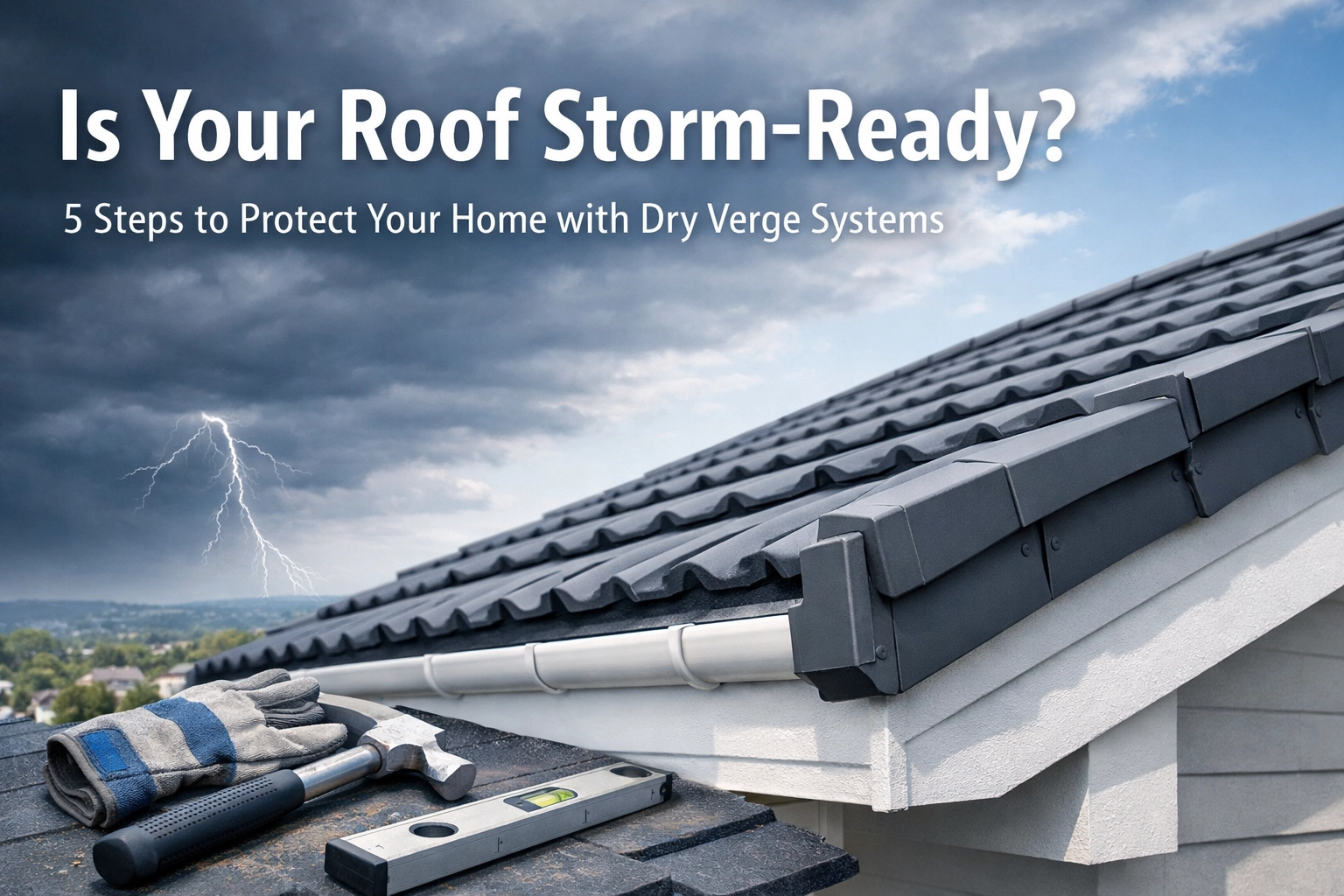

Strong winds and heavy rain can turn a minor roof weakness into a major disaster. When storms hit Northern Ireland, traditional mortar-bedded verges often fail first: cracking, crumbling, and leaving your tiles vulnerable to wind uplift. Dry verge systems offer a proven, mechanical solution that keeps your roof secure when weather turns severe.
If you're wondering whether your roof can handle the next big storm, the answer lies in how well your verges are protected. Here are five essential steps to storm-proof your home using dry verge systems.
What Are Dry Verge Systems and Why Do They Matter?
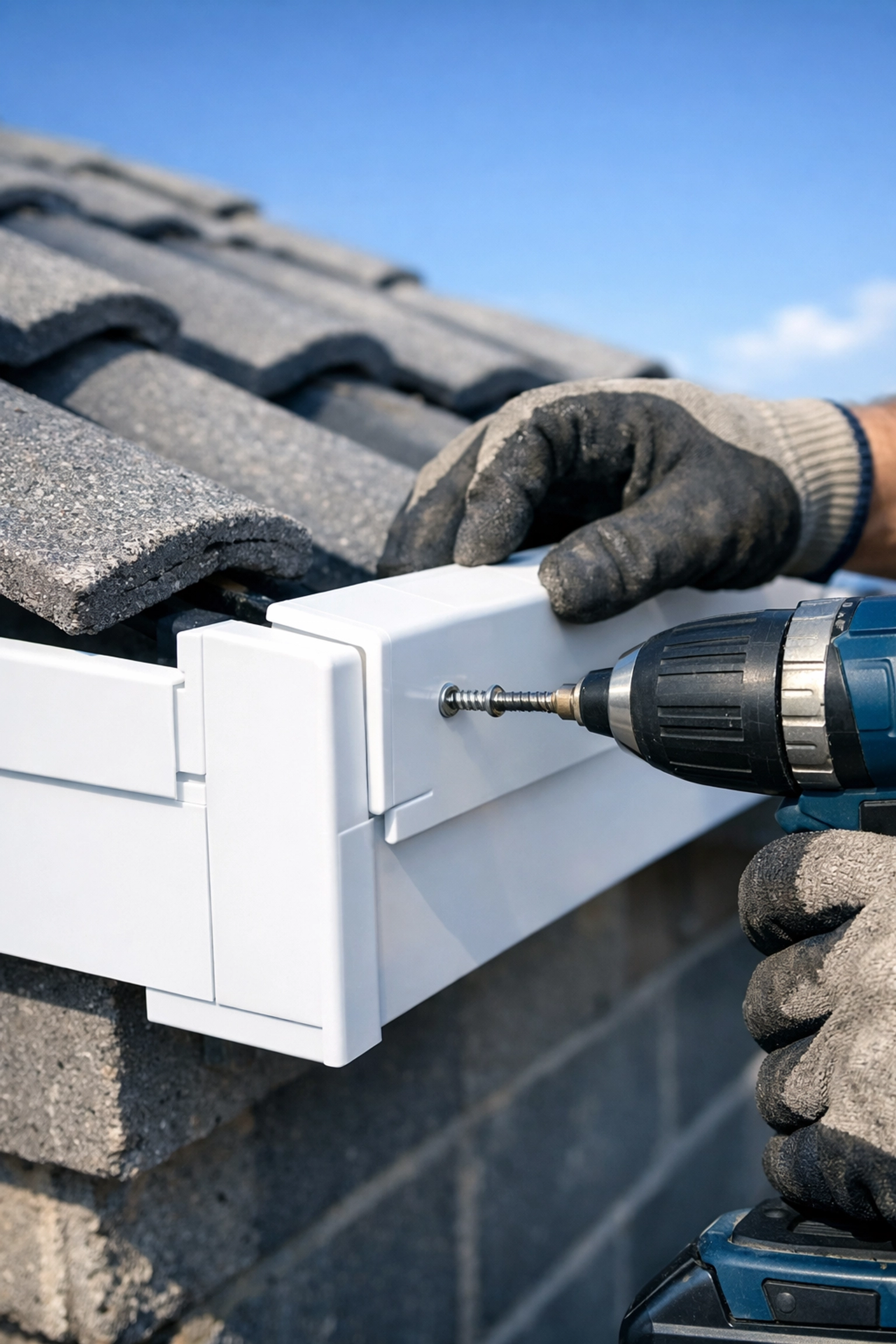
Before diving into the steps, let's get clear on what we're talking about. Dry verge systems are mechanical fixing units that replace traditional sand-and-cement mortar at the edges of your roof. Instead of relying on mortar that cracks and deteriorates over time, these systems use interlocking UPVC or plastic capping units that screw directly into your roof structure.
The mechanical fixing is what makes all the difference during storms. When wind speeds increase, traditional mortar simply can't hold tiles in place: but dry verge systems are specifically engineered to resist wind uplift and prevent tiles from blowing off. This is exactly why they've become a building control requirement for modern roofing projects.
Step 1: Assess Your Current Verge Condition
Start by examining your roof's edges during dry weather. Look for these warning signs that your verges aren't storm-ready:
- Cracked or crumbling mortar along the gable ends
- Loose or missing tiles at the roof edges
- Gaps where you can see daylight or the underlay
- Evidence of water staining on interior walls near gable ends
- Bird nests or pest entry points at the verges
If you spot any of these issues, your roof is vulnerable. Traditional mortar deteriorates naturally over time, especially under the freeze-thaw cycles and constant rain exposure we experience across Northern Ireland. The sooner you identify these weaknesses, the sooner you can prevent storm damage.
Don't wait until after a storm to discover problems. Request a professional roof survey to get a comprehensive assessment of your verge condition and overall roof integrity.

Step 2: Understand How Dry Verge Systems Provide Storm Protection
Dry verge systems work through multiple layers of protection that traditional mortar simply cannot match:
Mechanical wind resistance: The interlocking capping units mechanically screw into your roof batten structure, creating a secure attachment that won't fail when wind speeds increase. This mechanical fixing is the critical difference: mortar relies on adhesion alone, which weakens over time, while dry verge systems maintain their strength indefinitely.
Weather bar technology: Strategically placed weather bars redirect water back onto your roof tiles, preventing water from being driven under tiles during wind-driven rain. This is crucial during storms when rain doesn't fall straight down: it comes at your roof horizontally.
Sealed interlocking design: The units interlock together to create a continuous weatherproof barrier along your entire gable edge. There are no weak points or gaps where wind can get underneath to lift tiles.
Ventilation without vulnerability: Quality dry verge systems provide discreet roof space ventilation while maintaining storm protection. This prevents condensation buildup that can weaken your roof structure over time, making it more vulnerable to storm damage.
Step 3: Choose the Right Dry Verge System for Your Roof
Not all dry verge systems are created equal, and choosing the right one matters for storm protection. Look for systems that meet British Standard BS8612 and are compatible with your specific roof tile type.
Key features to prioritize:
- Universal compatibility with your existing tiles (concrete or clay)
- Extended weather bars that push water away from gable walls
- UV-stabilized materials that won't degrade under sun exposure
- Interlocking design with no gaps between units
- Secure fixing systems with adequate screw points into battens
The system should come with a minimum 10-year guarantee, though quality installations often last significantly longer. Cheap alternatives might save money upfront but won't provide reliable storm protection when you need it most.
Step 4: Ensure Professional Installation to Building Standards
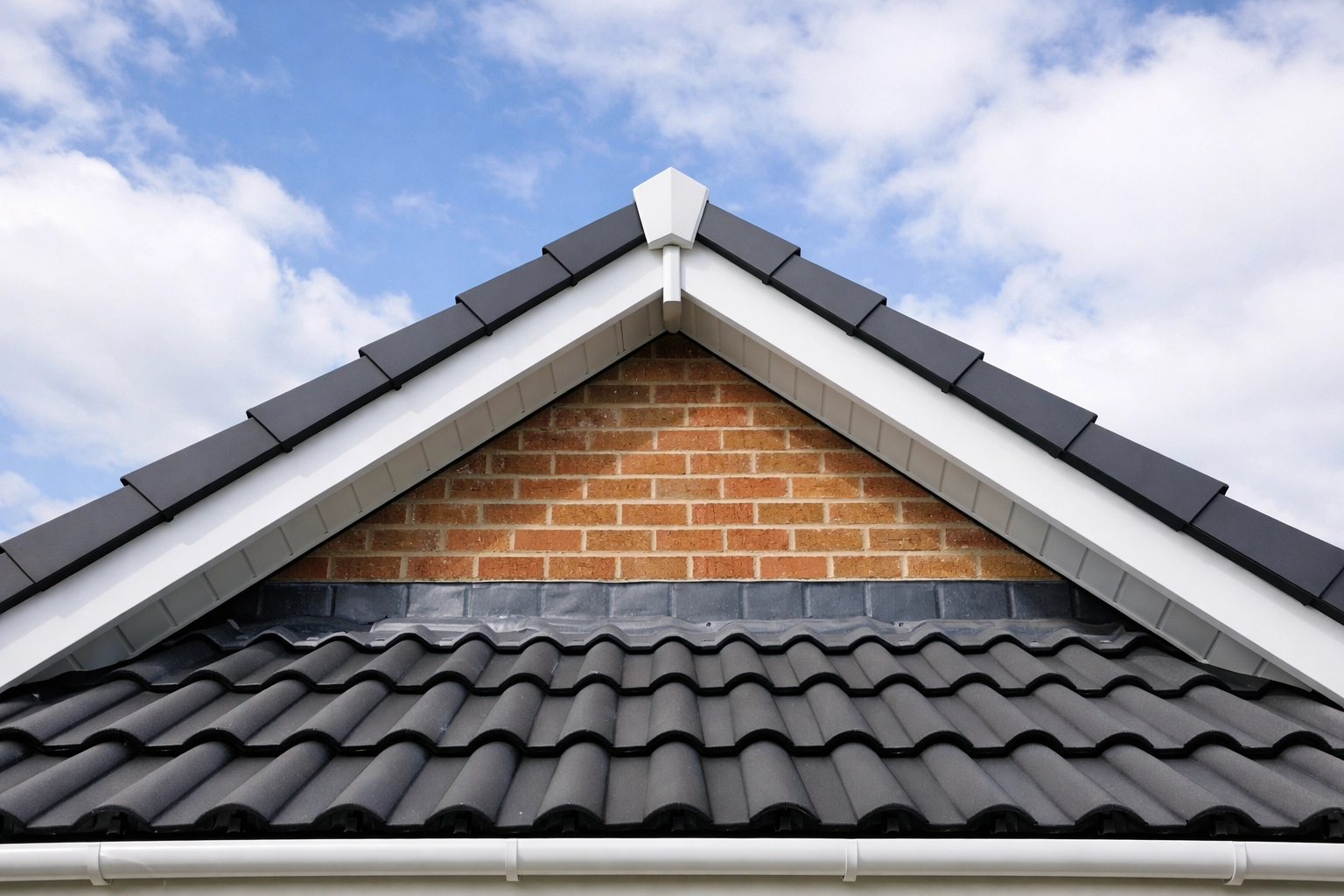
Even the best dry verge system will fail if it's not installed correctly. Storm protection depends entirely on proper installation that follows manufacturer guidelines and building regulations.
Professional installation ensures:
- Correct batten positioning and structural support
- Proper screw fixing into sound timber
- Accurate alignment and interlocking of all units
- Appropriate overlap with roofing felt or membrane
- Secure end caps that prevent water ingress at termination points
DIY installation is not recommended for dry verge systems. The verge edge is one of the most exposed and vulnerable areas of your roof: this isn't the place to cut corners. Professional roofers have the experience to identify potential issues and ensure your system will perform when storms hit.
Contact experienced roofing specialists who understand both the product specifications and the unique weather challenges we face across Northern Ireland.

Step 5: Implement a Preventive Maintenance Schedule
Your dry verge system should require minimal maintenance compared to mortar verges, but that doesn't mean you should ignore it completely. A simple annual inspection keeps your storm protection at peak performance.
Schedule these preventive checks:
Annual visual inspection: Walk around your property and examine the verge edges from ground level. Look for any obvious damage or displaced units.
Gutter clearance: Keep gutters clear of debris that could cause water overflow onto verge areas during heavy rain.
Post-storm assessment: After significant storms, do a quick visual check for any damage. Early detection prevents small issues from becoming major problems.
Professional survey every 3-5 years: Have a qualified roofer conduct a detailed inspection to check fixing integrity and identify any maintenance needs.
Unlike traditional mortar that requires regular repointing and eventual replacement, properly installed dry verge systems resist weathering and should provide reliable storm protection for decades.
Why Dry Verge Systems Are Essential for Storm-Ready Homes
The evidence is clear: dry verge systems significantly outperform traditional mortar in storm conditions. When properly installed, they won't blow off in normal storm conditions, they prevent water penetration through multiple defense layers, and they eliminate the maintenance cycle of cracking and deterioration.
Beyond storm protection, these systems offer additional benefits:
- Pest prevention: The secure fit blocks birds, insects, and other pests from accessing roof gaps
- Improved energy efficiency: Proper ventilation prevents moisture buildup that reduces insulation effectiveness
- Long-term cost savings: Eliminate the need for regular repointing and mortar repairs
- Increased property value: Modern, maintenance-free roofing systems are attractive to buyers
Take Action Before the Next Storm Hits
Waiting until after storm damage occurs is the most expensive approach. Protect your home now with professionally installed dry verge systems that provide reliable storm protection year after year.
If you're unsure about your roof's current condition or want to upgrade to dry verge systems, contact Advanced Construction & Roofing for a comprehensive roof assessment. Our experienced team can evaluate your verges, recommend the right system for your property, and ensure proper installation to building standards.
Don't let the next storm catch you unprepared. Call us today to schedule your roof survey and take the first step toward a truly storm-ready home.
Visit Advanced Construction & Roofing or request a consultation to discuss your roofing needs. We serve homeowners across Northern Ireland with professional roofing solutions backed by years of experience and commitment to quality workmanship.