
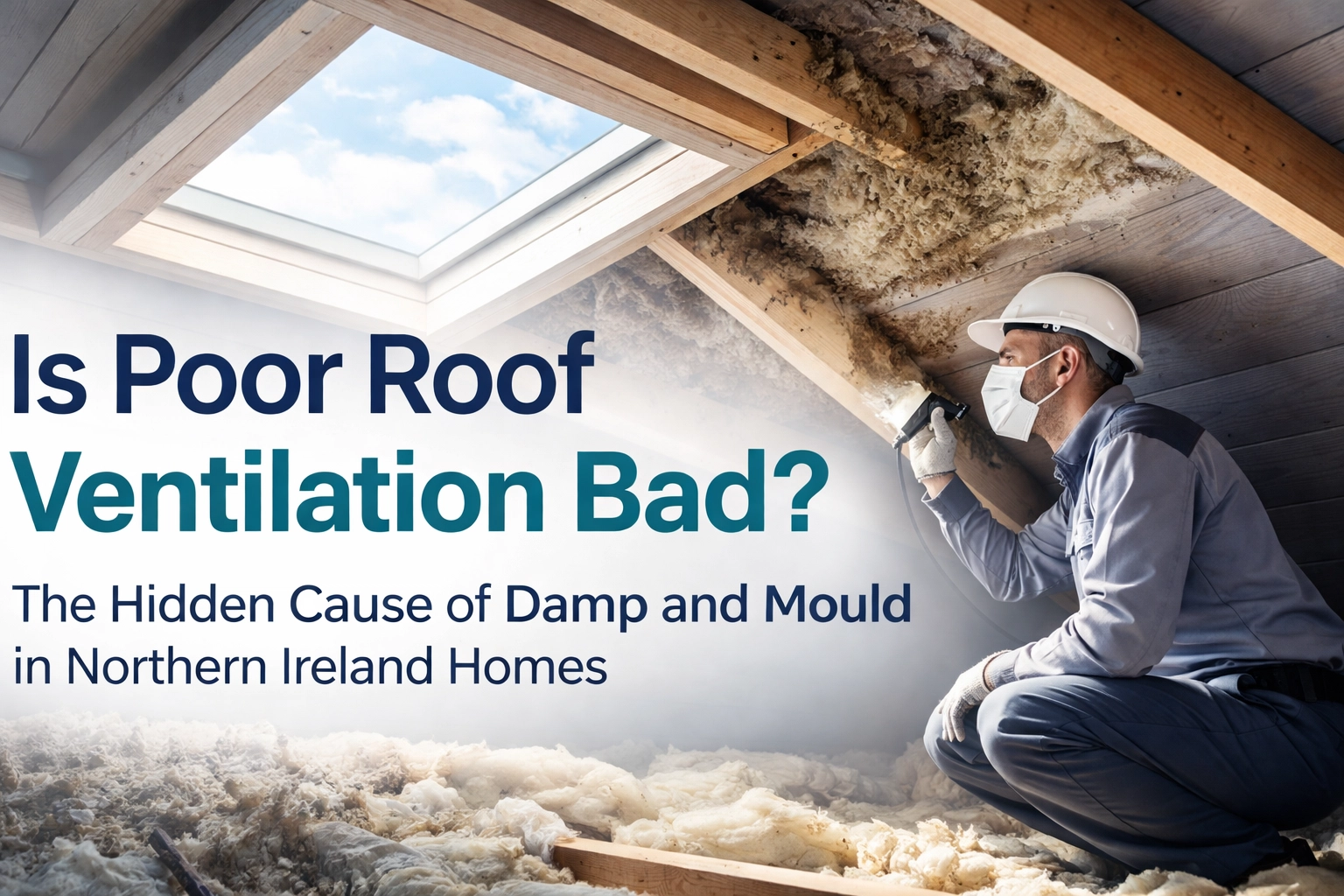

If you've noticed black spots creeping across your bedroom ceiling, a musty smell in your attic, or peeling paint that keeps coming back no matter how many times you fix it, poor roof ventilation could be the hidden culprit.
Here in Northern Ireland, we're no strangers to damp. Our climate practically invented it. But what most homeowners don't realise is that the moisture destroying their home isn't always coming from outside , it's often trapped inside, with nowhere to go.
Let's break down exactly why poor roof ventilation is bad news for your Belfast home, and what you can do about it before the damage gets worse.
Why Does Northern Ireland Have Such a Damp Problem?
Living in Northern Ireland means living with rain. We average over 200 rainy days per year, and our mild but wet climate creates the perfect conditions for moisture to accumulate in homes.
But here's what catches most homeowners off guard: the biggest moisture threat isn't the rain hammering your roof from outside. It's the warm, humid air rising from inside your home , from showers, cooking, drying clothes, and even just breathing.
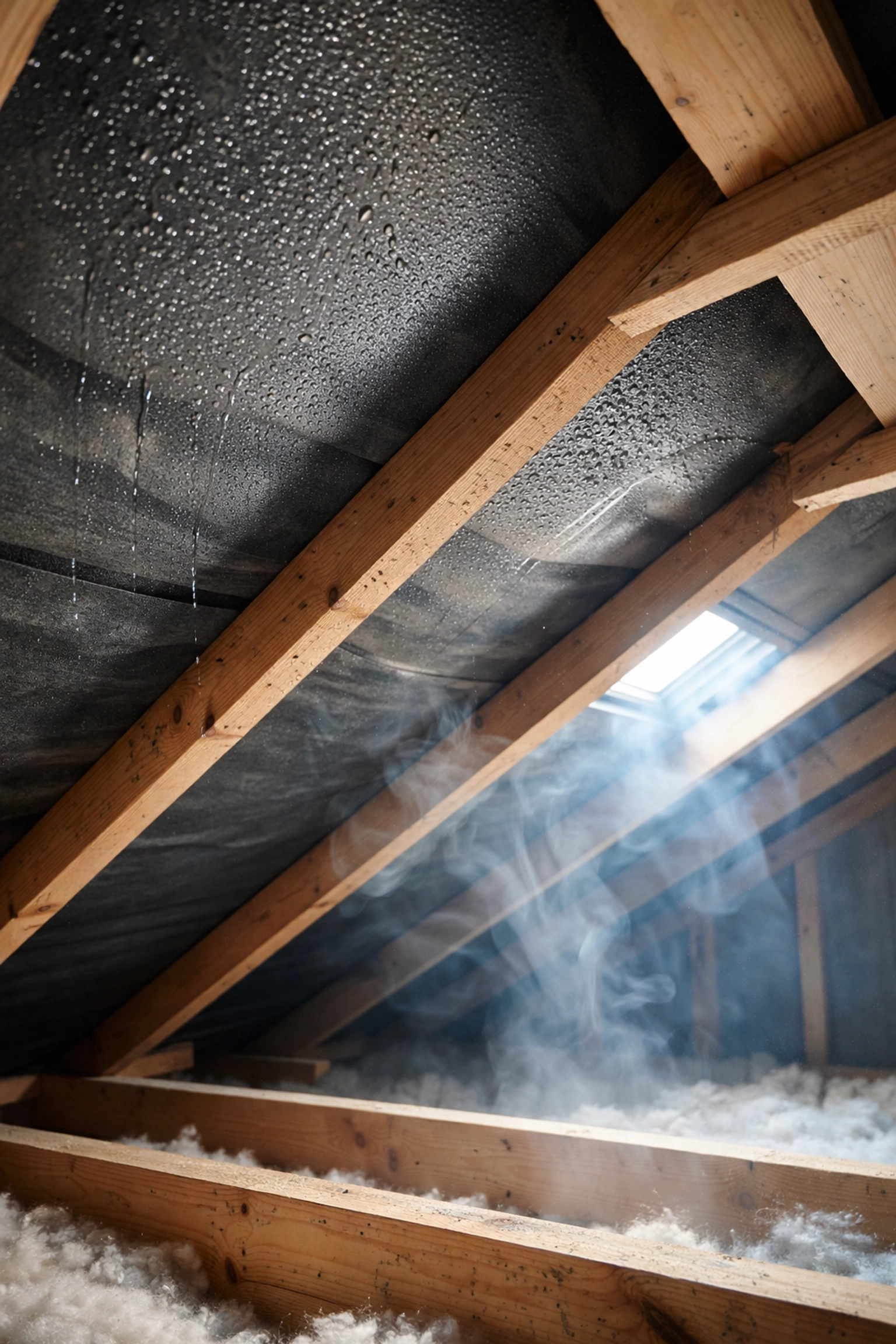
When that warm, moist air rises into your loft space and meets cold surfaces, it condenses. Without proper ventilation to let that moisture escape, your attic becomes a breeding ground for:
- Mould and mildew that spreads across timbers and into living spaces
- Wood rot that weakens your roof structure
- Damaged insulation that stops working and allows damp to seep through ceilings
- Warped roof decking that causes tiles to lift and leak
This isn't a minor inconvenience. This is structural damage that costs thousands to repair.

How Does Roof Ventilation Actually Work?
Proper roof ventilation creates a continuous flow of air through your loft space. Cool, dry air enters through vents at the eaves (the bottom edge of your roof), circulates through the attic, and exits through ridge vents or tile vents at the top.
This airflow does three critical things:
- Removes moisture-laden air before it can condense on cold surfaces
- Regulates temperature to prevent extreme heat buildup in summer
- Prevents ice dam formation in winter by keeping the roof surface at a consistent temperature
When this system is blocked, inadequate, or missing entirely : which is surprisingly common in older Northern Ireland properties : moisture has nowhere to go. It sits. It condenses. And it destroys.
What Are the Warning Signs of Poor Roof Ventilation?
Don't wait until you see water dripping from your ceiling. By that point, the damage is already extensive. Watch for these earlier warning signs:
- Musty or damp smells in your attic or upstairs rooms
- Visible condensation on the underside of your roof felt
- Black mould spots on attic timbers, walls, or ceilings
- Peeling paint or bubbling wallpaper in upstairs rooms
- Excessive heat in your attic during summer months
- Ice forming at your roof edges in winter
- Rusty nail heads visible in your loft space
If you've spotted any of these issues, it's time to get your roof professionally inspected. The longer you wait, the more expensive the repairs become.
Why Is This Problem So Common in Belfast and Northern Ireland?
Many homes across Belfast, Lisburn, Bangor, and surrounding areas were built decades ago when building regulations around ventilation were less stringent. Older properties often have inadequate or completely absent roof ventilation systems.
Even newer homes can develop problems when:
- Insulation is installed incorrectly and blocks eave vents
- Bathroom or kitchen extractor fans vent directly into the loft instead of outside
- Original vents become blocked by debris, bird nests, or poor maintenance
- Home improvements seal up ventilation points without replacement
Our damp climate makes these issues worse. In drier regions, poor ventilation might cause minor problems. In Northern Ireland, it accelerates damage dramatically.
What Damage Can Poor Ventilation Actually Cause?
Let's be direct about what's at stake here.
Structural timber decay: When moisture sits on wooden roof timbers, it causes rot. Rotting timbers lose their load-bearing capacity. In severe cases, this can compromise the entire roof structure : requiring full replacement rather than simple repairs.
Insulation failure: Wet insulation doesn't insulate. It becomes a soggy, ineffective mass that actually conducts cold into your home while allowing moisture to seep through to ceilings below.
Mould health risks: Mould releases spores that cause respiratory problems, allergic reactions, and can aggravate conditions like asthma. This is especially dangerous for children, elderly family members, and anyone with existing health conditions.
Roof covering damage: Trapped moisture causes the roof deck to swell and warp. This leads to lifted tiles, cracked slates, and gaps where rainwater can enter : creating a cycle of damage that feeds itself.
Property value reduction: Visible damp, mould, and structural issues will significantly reduce your property's value and make it harder to sell.

How Do You Fix Poor Roof Ventilation?
The good news? Ventilation problems are fixable. The solution depends on your specific situation, but common approaches include:
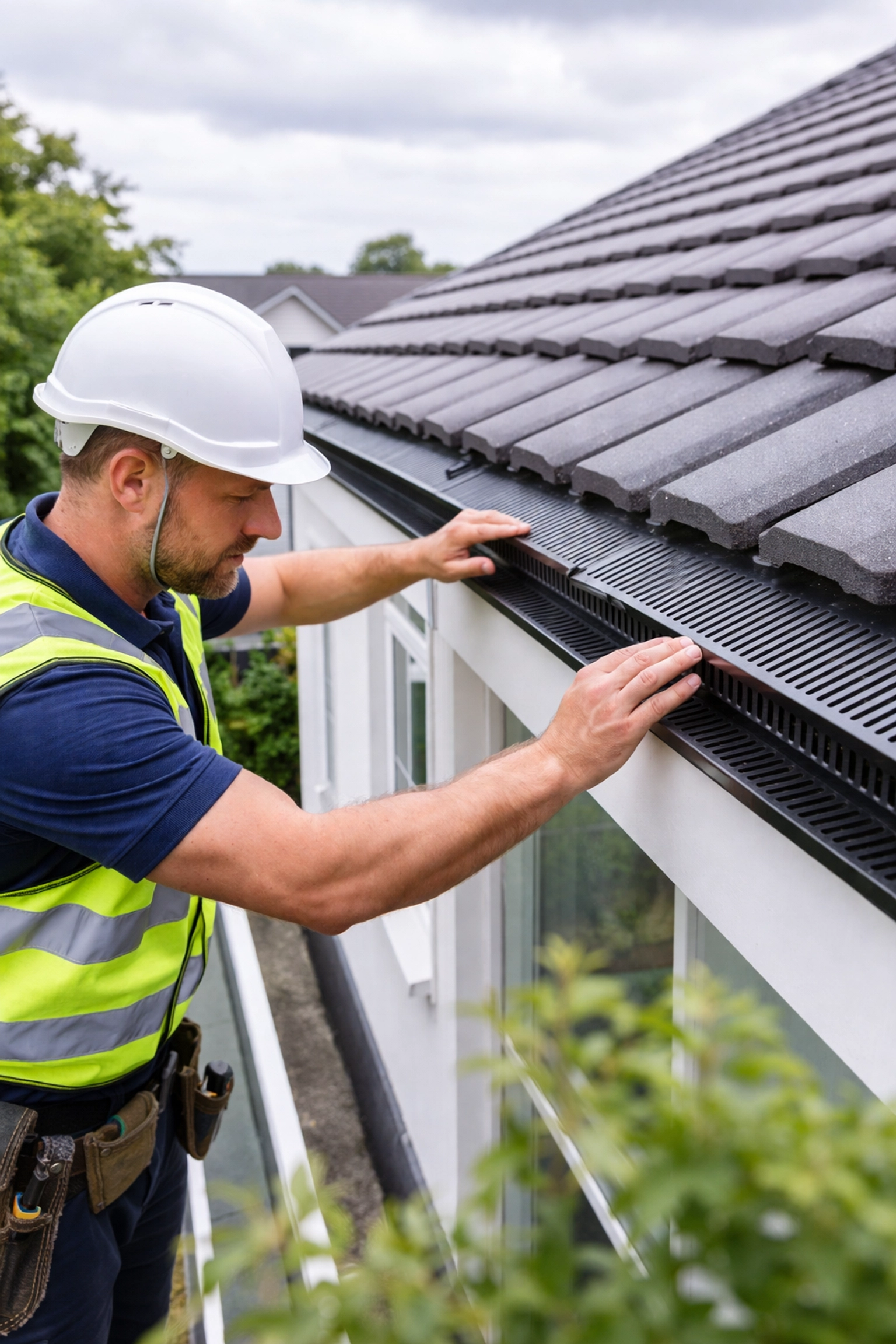
- Installing eave vents to allow cool air entry at the roof's lowest point
- Adding ridge vents or tile vents to let warm, moist air escape at the top
- Fitting soffit vents in the underside of roof overhangs
- Correcting extractor fan ducting so bathroom and kitchen moisture vents outside, not into your loft
- Removing insulation blockages that prevent airflow at the eaves
- Installing mechanical ventilation in problem areas where passive ventilation isn't sufficient
The right solution requires a proper assessment of your roof's current condition, existing ventilation, and the source of moisture problems.
Why You Need a Professional Roof Survey First
Before any work begins, you need to know exactly what you're dealing with. A professional roof survey identifies:
- Current ventilation points and their effectiveness
- Existing damage to timbers, insulation, and roof coverings
- Sources of moisture ingress
- Recommended solutions specific to your property
At Advanced Construction & Roofing, we've been inspecting and repairing roofs across Northern Ireland for over 25 years. We've seen every ventilation problem imaginable : and we know how to fix them properly the first time.
Our Belfast Roof Survey service gives you a complete picture of your roof's condition with photo evidence, detailed findings, and clear recommendations. No guesswork. No nasty surprises halfway through repairs.
Don't Let Damp Destroy Your Home
Northern Ireland's climate isn't going to get any drier. If your roof ventilation is inadequate, the problem will only get worse with each passing season. Every month you wait means more moisture, more mould, and more damage.
The homeowners who protect their properties are the ones who act before small problems become major repairs. A roof survey today could save you thousands in structural repairs tomorrow.
Request a professional roof survey now. Contact Advanced Construction & Roofing to book your inspection and get honest, expert advice on protecting your Northern Ireland home from damp and mould.
Call us today or book your roof survey online : because your home deserves better than a roof that's slowly rotting from the inside out.