

Let's be honest. If you live in Northern Ireland, you know the wind. You've felt your house shake during a January storm. You've heard tiles rattle at 3am and wondered if your roof was about to become your neighbour's problem.
So does roof wind resistance really matter in 2026?
Short answer: Absolutely. More than ever.
Here's the truth about why it matters, what's changed, and what you can do to protect your Belfast home from the next big blow.
Northern Ireland Weather: It's Not Getting Any Calmer
Anyone who's lived through a Northern Ireland winter knows the score. We're exposed to Atlantic weather systems that barrel in from the west, bringing sustained winds and sudden gusts that can catch even the sturdiest buildings off guard.
And here's what the data tells us: extreme weather events are increasing. We're seeing more named storms, more intense rainfall, and wind speeds that would have been considered unusual a decade ago.
Your roof isn't just sitting up there looking pretty. It's your first line of defence against everything the Irish Sea throws at us. If it can't handle wind forces, you're in trouble.
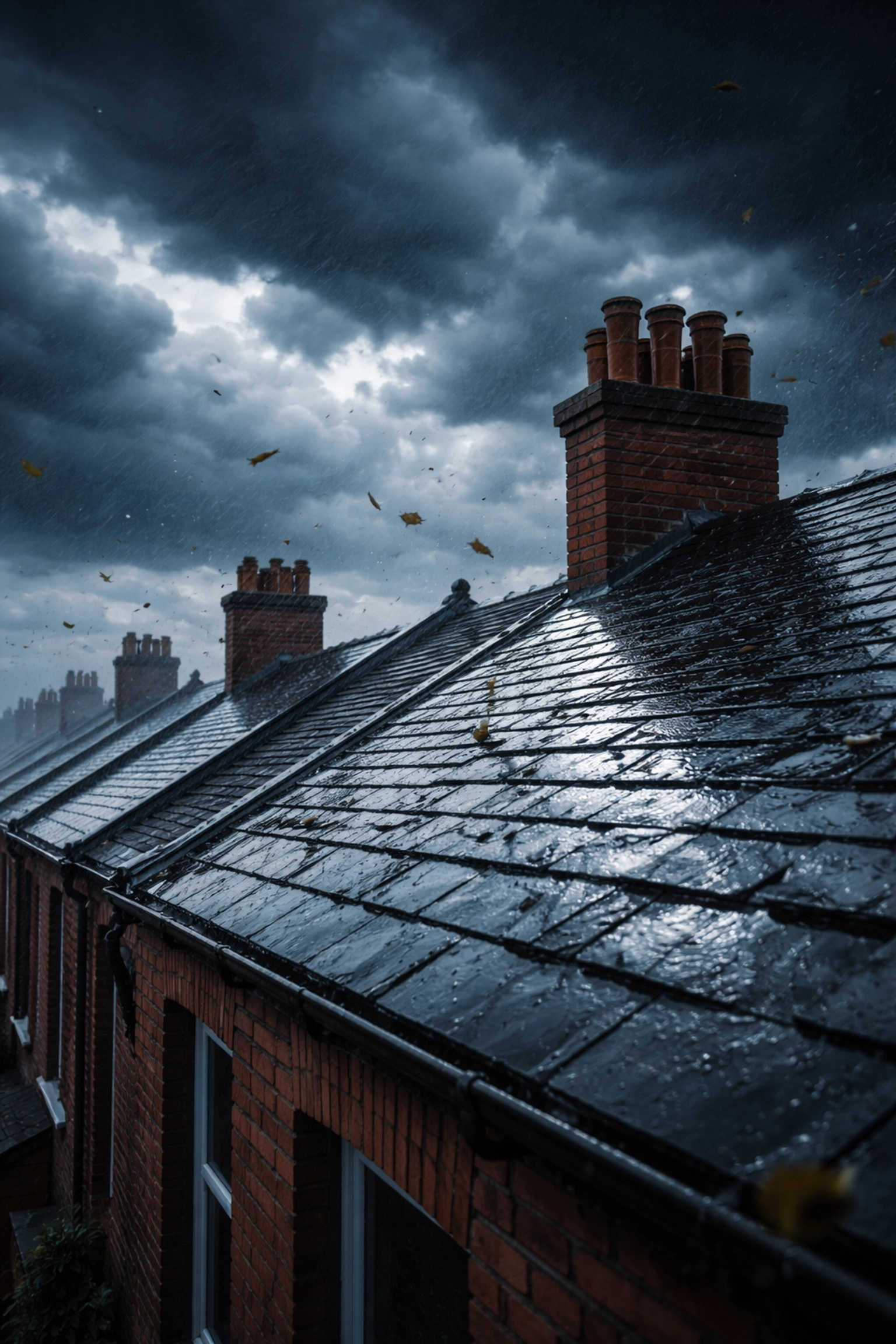
What Actually Happens When Your Roof Can't Handle Wind?
This isn't about a few loose tiles. When a roof fails to resist wind properly, three major problems hit you all at once:
-
Your home's contents get exposed to the elements. Water damage, ruined furniture, damaged electrics: it adds up fast.
-
Roof materials become dangerous projectiles. A flying tile or sheet of felt can smash windows, damage cars, and injure people. You could be liable.
-
Your building's structural integrity gets compromised. Once wind gets under your roof covering, it creates uplift pressure that tries to literally tear your roof off the structure.
This isn't scare tactics. This is physics. Wind travels up your walls, over any edges, and across your roof surface. That creates suction. And if your roof isn't properly secured with the right materials and installation methods, that suction wins.
Why 2026 Is Different: Building Standards Have Caught Up
Here's the good news. The roofing industry has evolved massively in recent years.
Building codes now demand high-performance roof systems that can withstand stricter requirements. Insurance companies are paying closer attention to roof specifications. And homeowners like you are asking smarter questions before signing off on any roofing work.
The materials available in 2026 are genuinely better than what was being installed even ten years ago:
- Standing seam metal roofing is surging in popularity because of its exceptional wind resistance and longevity
- Stone-coated steel offers similar benefits with a more traditional look
- Modern architectural asphalt shingles feature improved wind resistance ratings and stronger sealant technology
But here's the catch: the best materials in the world won't save you if they're installed wrong.
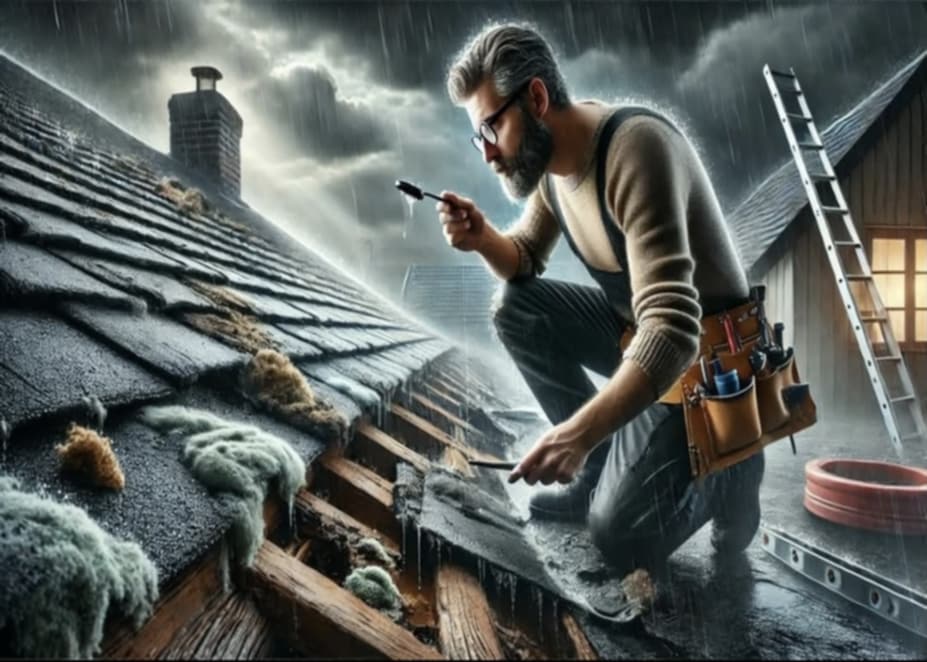
Quality Materials + Professional Installation = Actual Wind Resistance
This is where we need to talk straight with you.
Wind resistance isn't just about buying expensive materials. It's about how those materials are specified, how they're fixed, and who's doing the work.
Consider what actually influences whether your roof survives a storm:
- Building width and roof pitch – affects how wind flows across your property
- Overhang size – larger overhangs catch more wind uplift
- Framing spacing – determines how loads are distributed
- Fastener quantity and placement – this is where most "cowboy" installations fail
- Correct installation technique – no shortcuts, no bodged fixes
You can buy the most wind-resistant tiles on the market. But if they're fixed with too few nails, in the wrong positions, by someone who learned roofing from YouTube videos last Tuesday? Your roof will fail.
This is exactly why experience matters. At Advanced Construction & Roofing, we've been doing this for over 25 years in Belfast and across Northern Ireland. We've seen what happens when roofs are installed properly: and what happens when they're not.
How Do You Know If Your Current Roof Is Wind-Resistant?
Good question. Most homeowners have no idea what condition their roof is actually in.
Here are warning signs that your roof might be vulnerable to wind damage:
- Tiles that look lifted, cracked, or out of alignment
- Ridge tiles that have shifted or show gaps
- Flashing that's pulled away from walls or chimneys
- Previous repairs that look patchy or inconsistent
- Your roof is over 20 years old and hasn't been inspected
If any of these sound familiar, you need a professional roof survey. Not a quick glance from the street. A proper inspection that identifies defects, assesses fixings, and gives you a clear picture of what needs attention.
We offer comprehensive roof surveys across Belfast that include photo evidence, defect identification, and detailed analysis. It's the only way to know for certain whether your roof can handle what's coming.

What Should You Do Right Now?
If you're reading this in January 2026, storm season isn't over. Far from it. Here's your action plan:
1. Get a roof survey booked.
Don't wait until you've got water coming through your ceiling. A professional survey costs a fraction of emergency repair work: and it gives you peace of mind. Book your Belfast roof survey here.
2. Ask the right questions before any roofing work.
When you get quotes, ask about wind resistance ratings. Ask about fixing specifications. Ask how long they've been in business. If the roofer can't answer confidently, walk away.
3. Don't choose on price alone.
The cheapest quote often means corners cut on materials, fixings, or labour. And when the next storm hits, that cheap roof becomes a very expensive problem.
4. Work with a company that understands Northern Ireland conditions.
Generic roofing advice from companies based in England doesn't account for our specific weather challenges. You need roofers who know Belfast, know our climate, and have decades of local experience.
The Bottom Line on Roof Wind Resistance
Does roof wind resistance matter in 2026? It matters more than it ever has.
Northern Ireland weather isn't getting gentler. Building standards are getting stricter. And the difference between a roof that holds and a roof that fails comes down to two things: quality materials and professional installation.
At Advanced Construction & Roofing, we've spent over 25 years protecting Belfast homes and businesses from everything our climate throws at them. We know what works. We know what fails. And we're straight with you about what your property needs.
Want to know if your roof is ready for the next storm?
Request a professional roof survey today. Call us, contact us through our website at adv-group.co.uk, or fill in our online form.
Don't wait for the wind to make the decision for you.