
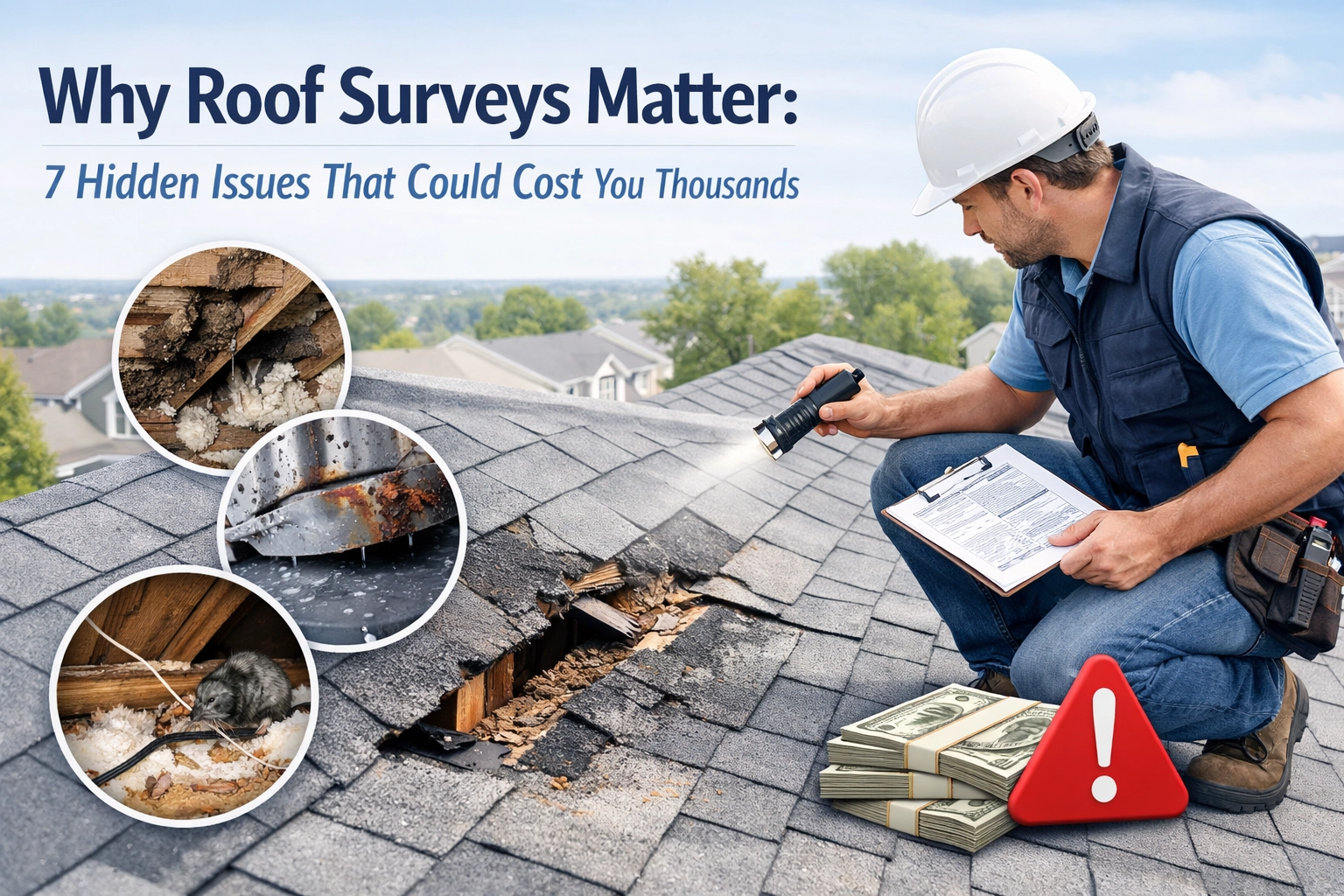

Your roof does more than keep the rain out. It protects your entire property investment, maintains your home's structural integrity, and directly impacts your energy bills. Yet most homeowners across Northern Ireland only think about their roof when something goes visibly wrong: and by then, the damage is done.
The reality? Regular roof surveys can save you an average of 30% on repair costs compared to waiting until problems become obvious. That's thousands of pounds staying in your pocket simply by catching issues early.
At Advanced Construction & Roofing, we've surveyed hundreds of properties throughout Belfast, Lisburn, Bangor, and across Northern Ireland. Time and again, we discover hidden problems that property owners had no idea existed: problems that would have cost them dearly if left unchecked.
What Is a Roof Survey and Why Do You Need One?
A professional roof survey is a comprehensive inspection of your roof's condition, structure, and components. Unlike a quick visual check from ground level, a proper survey involves:
- Close examination of tiles, slates, and roofing materials
- Assessment of flashing, gutters, and drainage systems
- Inspection of chimney stacks and brickwork
- Evaluation of insulation and ventilation
- Photographic evidence of defects and concerns
- Detailed written report with recommended actions
Property owners in Northern Ireland face unique challenges. Our weather: persistent rain, strong winds, and temperature fluctuations: takes a constant toll on roofing systems. What starts as a minor issue during summer can escalate dramatically after a harsh winter.

The 7 Hidden Issues That Could Cost You Thousands
1. Structural Damage from Minor Leaks
The most dangerous roof problems are the ones you can't see. A small leak might seem insignificant: just a damp patch in the corner of a room. But behind that patch, water is compromising your roof's timber structure.
Minor leaks damage roof joists, rafters, and decking. Left untreated, they lead to rot and structural weakness. What could have been a £200 repair becomes a £5,000 roof replacement. We've seen it happen countless times across properties in Newtownards, Holywood, and throughout County Down.
The cost difference? Catching and fixing a small leak early costs a fraction of replacing entire sections of damaged timber and roofing.
2. Chimney Stack Deterioration
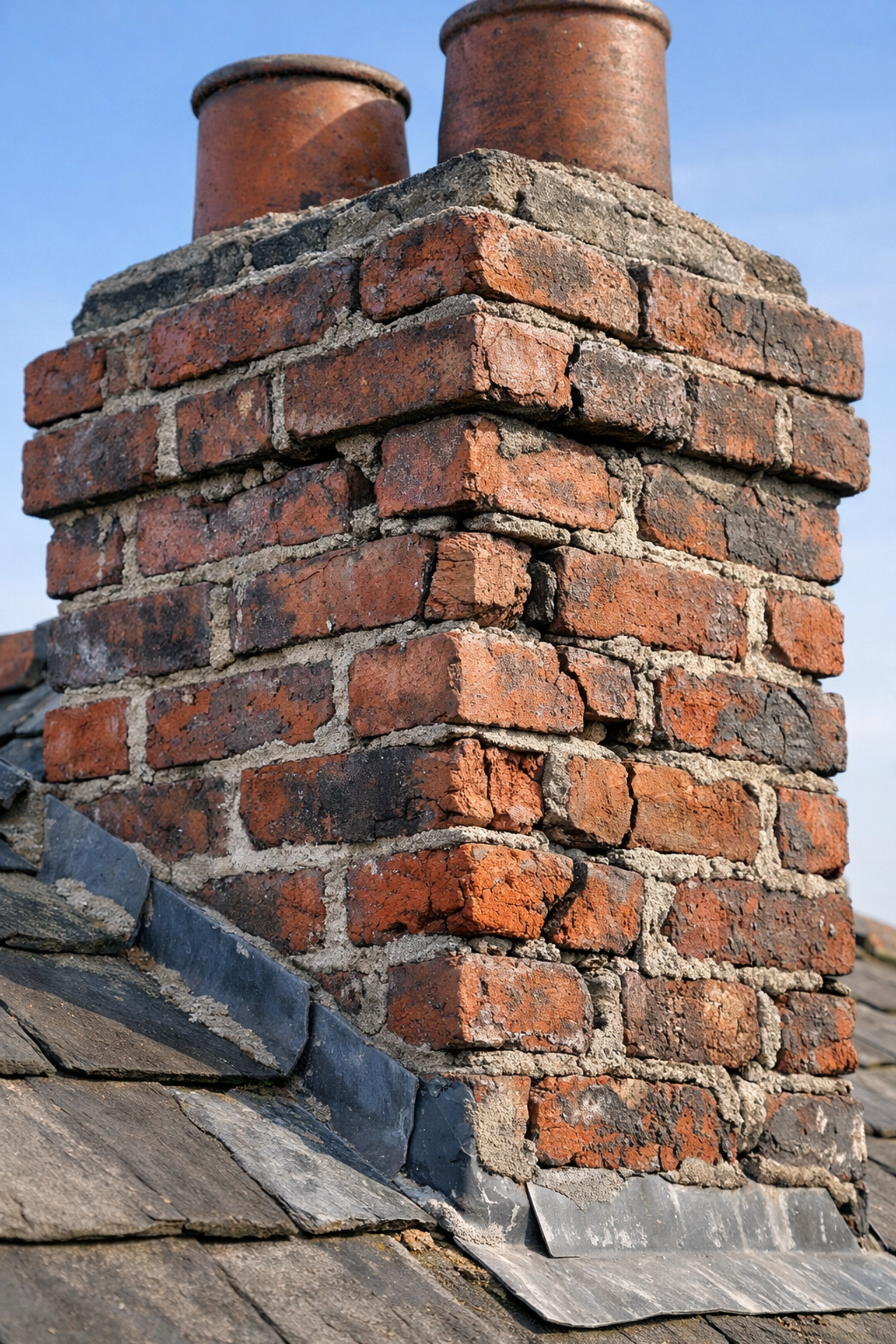
Chimney stacks are particularly vulnerable to Northern Ireland's weather conditions. The mortar joints between bricks deteriorate over time, especially on south and west-facing sides that take the brunt of wind-driven rain.
Roof surveys identify:
- Cracked or eroded mortar joints
- Leaning or unstable chimney stacks
- Deteriorating chimney pots
- Missing or damaged flashing around the stack base
A deteriorating chimney stack doesn't just affect the chimney itself. Water penetrates through failing mortar, damaging the roof structure, ceiling below, and internal walls. Emergency chimney repairs and associated damage can easily exceed £3,000. Preventive repointing? Usually under £800.
3. Worn-Out or Blocked Guttering Systems
Your guttering system is your roof's first line of defence against water damage. When gutters become blocked with leaves, moss, and debris, water overflows and saturates walls, foundations, and fascia boards.
Professional roof surveys assess:
- Gutter alignment and proper fall
- Blockages and debris accumulation
- Bracket stability and support
- Downpipe condition and drainage effectiveness
Properties across Carryduff, Dundonald, and the greater Belfast area face particular challenges with moss and organic matter from surrounding trees. Blocked gutters cause damp penetration that damages brickwork pointing, internal plaster, and even foundations. Replacing rotten fascia boards and repairing damp-damaged walls costs thousands. Regular gutter maintenance and timely repairs? A few hundred pounds.
4. Insulation Deficiencies and Heat Loss

Northern Ireland homeowners waste hundreds of pounds annually on heating costs due to inadequate loft insulation. Roof surveys with thermal imaging identify:
- Insufficient insulation depth (current standards recommend 270mm)
- Gaps in insulation coverage
- Compressed or damaged insulation
- Cold spots indicating heat loss
Poor insulation doesn't just increase heating bills. It creates condensation problems that lead to mould growth and timber damage. The average Northern Ireland household could save £200+ per year on heating costs with proper insulation. Over a roof's 50-year lifespan, that's £10,000 in savings: far exceeding the £1,500 typical cost of upgrading loft insulation.
5. Ventilation Issues and Condensation Damage
Inadequate roof ventilation is a silent destroyer. Without proper airflow, warm, moist air becomes trapped in your loft space, condensing on cold surfaces and creating ideal conditions for:
- Timber rot in roof structure
- Mould and mildew growth
- Deteriorating insulation effectiveness
- Metal fastener corrosion
We regularly discover severe condensation damage during surveys of properties across Lisburn, Hillsborough, and Moira. The health implications of mould are serious, particularly for children and those with respiratory conditions. Remedying extensive condensation damage: replacing rotted timber, treating mould, and installing proper ventilation: can cost £4,000+. Installing adequate ventilation during routine maintenance? Under £500.
6. Roofing Material Degradation

Every roofing material has a lifespan. Tiles crack, slates delaminate, and felt deteriorates. Visual inspections from ground level miss:
- Cracked or slipped tiles not yet causing leaks
- Nail sickness (corroded fixings no longer securing tiles)
- Deteriorating roof felt beneath tiles
- Storm damage to ridge tiles and hip joints
Northern Ireland's exposure to Atlantic weather systems means our roofs face constant battering. Properties in coastal areas like Bangor, Holywood, and Donaghadee face additional challenges from salt air accelerating material degradation.
Replacing individual damaged tiles costs £15-30 each. Waiting until widespread failure requires full roof replacement: £8,000-15,000 for an average property. Professional surveys identify which tiles need attention before minor issues cascade into major problems.
7. Flashing Failures and Water Penetration
Flashing: the metal strips sealing joints between your roof and other structures: is critical for waterproofing. Failed flashing around chimneys, valleys, dormers, and abutments allows water to penetrate your property.
Roof surveys examine:
- Lead flashing condition and security
- Cement fillets that crack and fail
- Valley flashing integrity
- Dormer window flashing and sealing
Water penetration through failed flashing causes extensive internal damage: ruined ceilings, damaged plaster, stained decorations, and rotted timber. Emergency repairs during winter, when water is actively entering your property, cost significantly more than scheduled maintenance. We've seen insurance claims exceeding £6,000 for water damage that originated from £300 worth of flashing repairs that were overlooked.

The Real Cost of Delaying Roof Surveys
Consider this scenario we encounter regularly: A homeowner notices a small water stain on their ceiling. They assume it's minor and decide to "keep an eye on it." Six months later, after a particularly wet Northern Ireland winter, the ceiling collapses. The repair bill? £4,500 for structural timber replacement, new ceiling, roof repairs, and redecorating.
The alternative? A roof survey identifies the problem when it's just a small leak. Repair cost: £350.
Preventive maintenance through regular roof surveys extends your roof's lifespan by up to 50%. For a roof expected to last 40 years, that's an additional 20 years of service: representing tens of thousands of pounds in delayed replacement costs.
Insurance Claims and Documentation
Many insurance providers now require professional roof surveys before approving claims for storm damage or long-term deterioration. Without documented evidence of regular maintenance, your claim could be denied on grounds of negligence.
Request a professional survey with photographic evidence and detailed reporting. This documentation proves you've maintained your property responsibly: essential leverage when negotiating with insurance companies.
When Should You Book a Roof Survey?
Contact a professional roofing company for surveys in these situations:
Annual Inspections: Book yearly surveys to catch problems early, especially if your property is over 15 years old.
After Severe Weather: Following storms, high winds, or heavy snow, arrange an inspection to identify damage before it worsens.
Before Property Purchase: Insist on comprehensive roof surveys during property transactions. Sellers might not disclose known issues, and surveyors sometimes miss roof problems.
Before Winter: Schedule autumn surveys so repairs can be completed before Northern Ireland's harsh winter weather arrives.
When Selling: Document your roof's condition to reassure buyers and justify your asking price.
Take Action Before Problems Escalate
Every day you delay addressing roof issues costs you money. Minor repairs become major replacements. Small leaks become structural damage. Routine maintenance becomes emergency repairs at premium rates.
At Advanced Construction & Roofing, we provide comprehensive roof surveys throughout Northern Ireland. Our qualified inspectors deliver detailed reports with photographic evidence, defect identification, and clear recommendations: giving you the information you need to protect your property investment.
Don't wait until water is pouring through your ceiling. Call today to book your professional roof survey and discover what might be hiding above your head. The money you save could run into thousands: money that stays in your pocket instead of paying for preventable damage.
Your roof protects everything you own. Isn't it worth making sure it's in good condition?