
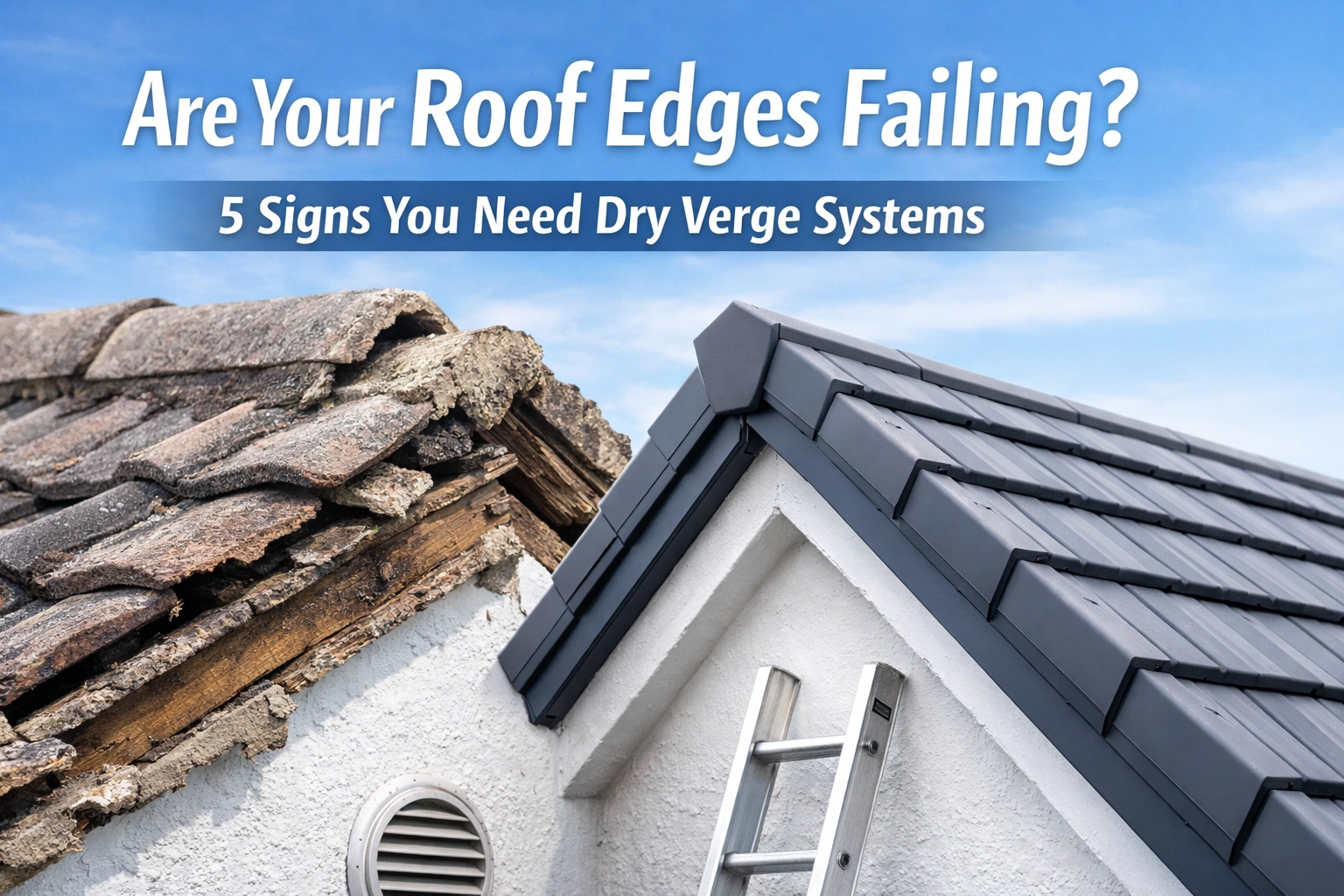

Your roof edges are the unsung heroes of your home's weatherproofing system. They're constantly battling wind, rain, and temperature extremes to keep water out and maintain your roof's structural integrity. But here's the problem: roof edge failures account for more than half of all roofing issues, and most homeowners don't spot the warning signs until serious damage has occurred.
If you're noticing issues along your roofline, it might be time to consider dry verge systems: a modern, mechanically-fixed solution that's replacing traditional mortar bedding across the UK. Let's walk through the five critical signs that your roof edges are failing and why upgrading to a dry verge system could save you thousands in repairs.
What Are Dry Verge Systems and Why Do They Matter?
Before we dive into the warning signs, let's quickly explain what we're talking about. Traditional roof verges (the edges where your roof meets the gable end) have been sealed with mortar for decades. The problem? Mortar is rigid, it cracks over time, and it eventually fails.
Dry verge systems are mechanical capping units that clip onto the edge of your roof, creating a weatherproof seal without mortar. They're designed to flex with your roof's natural movement, provide superior wind resistance, and maintain proper ventilation. Once installed, they require virtually zero maintenance and can last the lifetime of your roof.
Now that you understand what they are, let's look at the signs that tell you it's time to upgrade.
Sign #1: Water Stains and Interior Leaks
Water damage is the earliest and most common warning sign that your roof edges are compromised. If you're seeing water stains on your ceilings or walls, especially in upper floors or along exterior walls, your verges may be allowing water infiltration.
Check for these specific indicators:
- Brown or yellow discoloration on ceilings near external walls
- Damp patches that appear during or after rainfall
- Moisture buildup or mildew in your attic space
- Peeling paint or wallpaper on walls beneath the roofline
Here's what's happening: when traditional mortar verges crack or crumble, they create gaps that allow wind-driven rain to penetrate beneath your roof tiles. This water then travels down through your roof structure, often appearing far from the actual entry point.
Don't ignore these signs. Water infiltration leads to timber rot, insulation damage, and mould growth: problems that become exponentially more expensive the longer they're left untreated.
Sign #2: Damaged, Loose, or Missing Edge Components
Take a walk around your property and look up at your roof edges. Any visible damage to the components protecting your roof edge demands immediate attention.
Watch for these red flags:
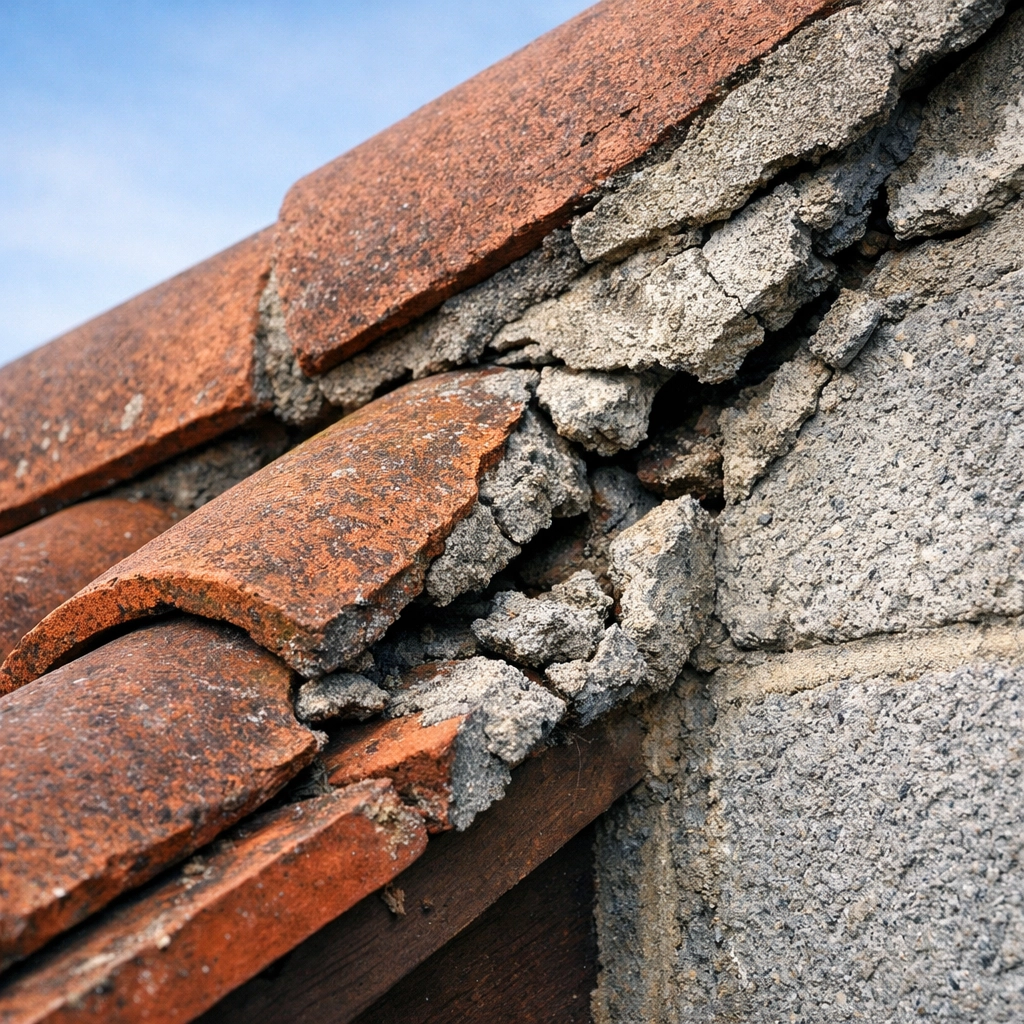
- Cracked or crumbling mortar along the verge line
- Loose or displaced tiles at the roof edges
- Bent or lifted fascia boards beneath the roofline
- Missing or damaged drip edge flashing
- Gaps between the roof edge and the wall
Wind damage is particularly revealing. After storms or high winds, inspect your roof edges carefully. If you notice any displaced elements, it indicates that your existing edge system lacks the mechanical strength to withstand normal weather conditions.
Traditional mortar verges are especially vulnerable because they rely on adhesion alone. When that bond breaks: and it will eventually: your roof tiles lose their support system. Dry verge systems, by contrast, mechanically clip into place, providing consistent holding power regardless of weather conditions or age.

Sign #3: Curled, Cracked, or Missing Edge Tiles
Your roof tiles at the verge should sit flat, secure, and aligned. If you're seeing curled, cracked, or completely missing tiles along your roof edges, it's a clear indication that the underlying support system has failed.
This deterioration happens because:
- Mortar shrinks and cracks as it ages, removing support from the tile edges
- Without proper support, tiles flex and move in the wind
- This constant movement causes stress fractures and breakage
- Once one tile fails, adjacent tiles become vulnerable to the same fate
When tiles break down, water seeps underneath and causes structural damage to your roof decking, timber framework, and insulation. What starts as a cosmetic issue quickly becomes a structural problem.
Dry verge systems prevent this cascade of failure by providing consistent support along the entire edge. The mechanical capping holds tiles securely while allowing for natural expansion and contraction, dramatically reducing stress on individual tiles.
Sign #4: Granule Loss Accumulating in Gutters
This one requires a closer look, but it's incredibly revealing. If you notice small black, grey, or sandy bits collecting in your gutters or downspouts, you're looking at granules washing away from your roof tiles.
Why does this matter for your roof edges?
Edge tiles experience more weathering than center tiles because they're exposed to wind-driven rain from multiple angles. When protective granules wash away:
- UV protection decreases, accelerating tile deterioration
- Waterproofing effectiveness drops, increasing water absorption
- The tile substrate becomes exposed, leading to cracking and failure
Excessive granule loss along your roof edges often indicates that water is penetrating beneath the tiles due to failed verge protection. Once water gets under your tiles regularly, deterioration accelerates rapidly.
Installing a proper dry verge system stops this cycle by creating an effective barrier that prevents wind-driven rain from getting beneath your edge tiles in the first place.
Sign #5: Sagging or Uneven Roof Lines Along the Edges
Step back and look at your roofline from a distance. Any visible dips, sags, or uneven sections: particularly along the verges: indicate serious underlying problems.
Sagging roof edges usually signal:
- Trapped moisture that's rotted the timber support structure
- Failed verge support causing the edge to drop
- Structural damage to roof battens or decking
- Long-term water infiltration that's compromised the roof framework
This is the most serious warning sign on our list because it indicates damage beyond the surface level. When you can see structural deformation from ground level, extensive repairs are typically necessary.
The good news? Catching edge failures before they reach this stage: by addressing the earlier warning signs: can prevent this level of damage entirely. Dry verge systems provide the robust, long-term edge protection that prevents moisture infiltration and structural deterioration.
Why Dry Verge Systems Are the Solution
If you've identified one or more of these warning signs, you might be wondering why dry verge systems are the answer rather than simply repointing the mortar or making repairs to your existing setup.
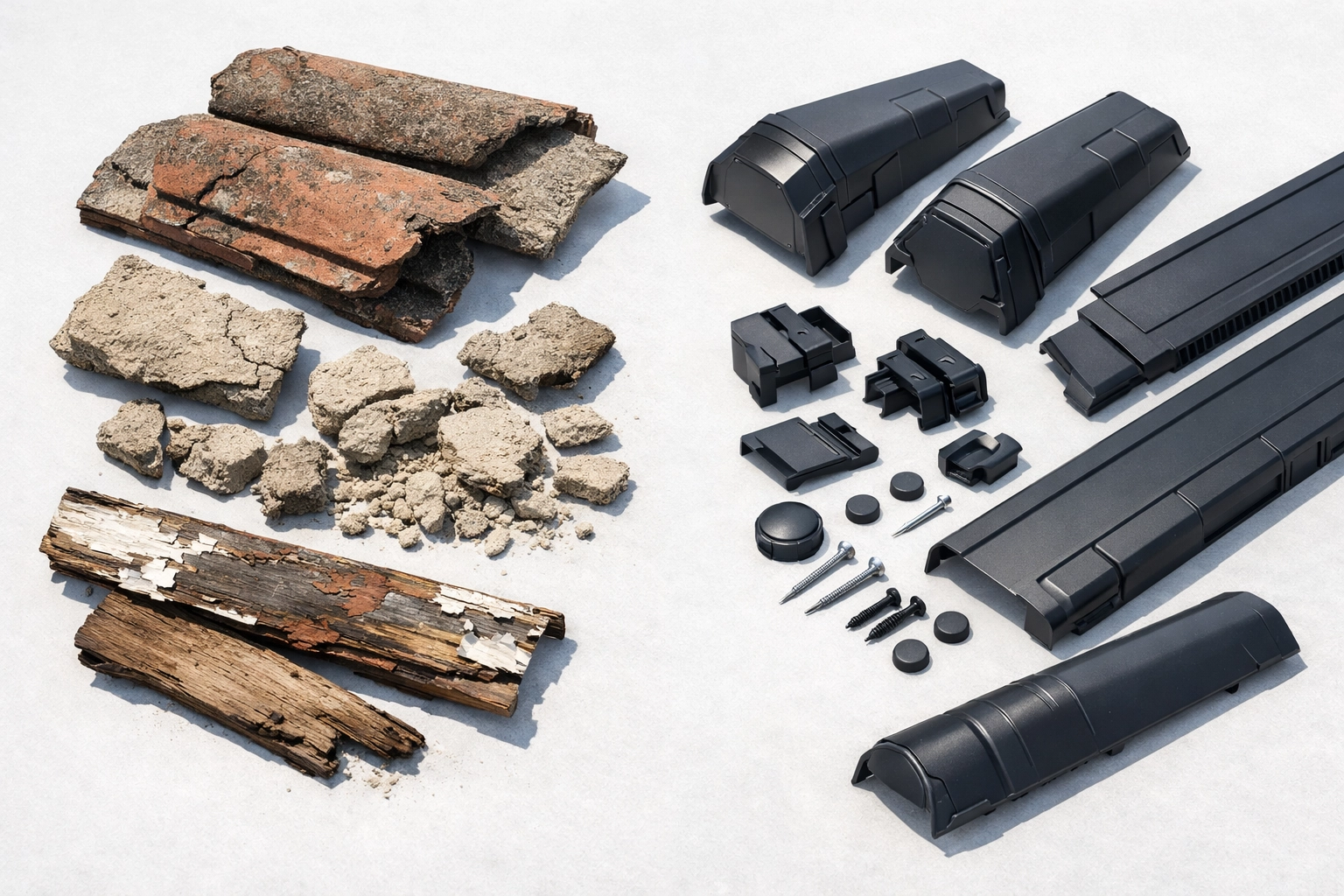
The reality is that traditional mortar verges have fundamental limitations:
- They're rigid and can't accommodate natural roof movement
- They deteriorate over time and require regular repointing
- They can trap moisture if not properly installed
- They provide limited wind resistance
- They often restrict necessary roof ventilation
Dry verge systems address every one of these issues:
Superior Wind Resistance – Mechanical fixings provide holding power that mortar simply cannot match, with systems tested to withstand wind speeds far exceeding UK weather conditions.
Built-In Ventilation – Proper dry verge systems incorporate ventilation pathways that prevent moisture buildup while keeping rain out.
No Maintenance Required – Once installed, quality dry verge systems last the lifetime of your roof without the need for repointing or repairs.
Consistent Performance – Unlike mortar that degrades, mechanical systems maintain their protective properties year after year.
Cost-Effective Long-Term – While the initial installation might cost more than mortar repointing, you'll never need to pay for verge maintenance again.

Take Action Before Small Problems Become Big Expenses
Here's the bottom line: roof edge failures don't fix themselves, and they always get worse over time. What starts as a small crack in mortar or a single loose tile can progress to water damage, structural rot, and repairs costing thousands of pounds.
The warning signs we've covered: water stains, damaged components, tile deterioration, granule loss, and sagging: are your roof's way of telling you it needs attention. The longer you wait, the more extensive (and expensive) the necessary repairs become.
At Advanced Construction & Roofing, we've helped countless homeowners across the region upgrade to modern dry verge systems, protecting their homes from edge failures and eliminating ongoing maintenance costs. Our professional installation ensures your roof edges will perform reliably for decades to come.
Don't wait for a minor issue to become a major problem. Contact our team today for a professional roof edge assessment. We'll identify any existing damage, explain your options clearly, and provide transparent pricing for dry verge installation that fits your budget.
Visit Advanced Construction & Roofing or call us now to schedule your roof inspection. Protect your home, protect your investment, and enjoy the peace of mind that comes with a properly protected roof edge system.