
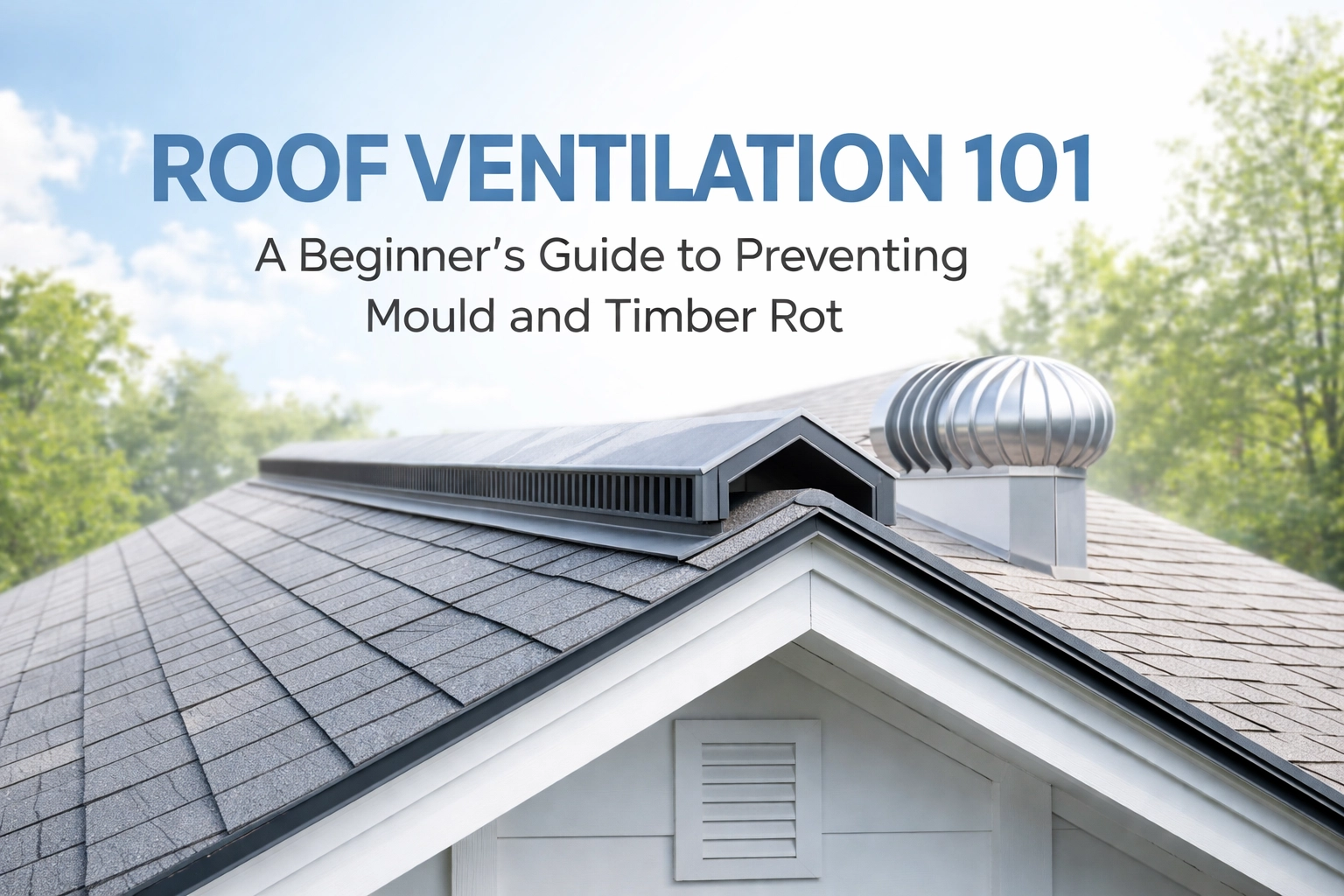

If you've ever noticed a musty smell in your attic or spotted dark patches creeping across your ceiling, there's a good chance your roof ventilation isn't doing its job. Here in Northern Ireland, our damp climate makes proper airflow absolutely critical for protecting your home from mould, mildew, and the dreaded timber rot that can compromise your entire roof structure.
The good news? Understanding roof ventilation isn't complicated. Once you grasp the basics, you'll know exactly what to look for and when to call in the professionals.
What Is Roof Ventilation and Why Does It Matter?
Roof ventilation is simply the system that allows fresh air to flow through your attic space, pushing out stale, moisture-laden air and replacing it with dry air from outside. Think of it as your roof's breathing system.
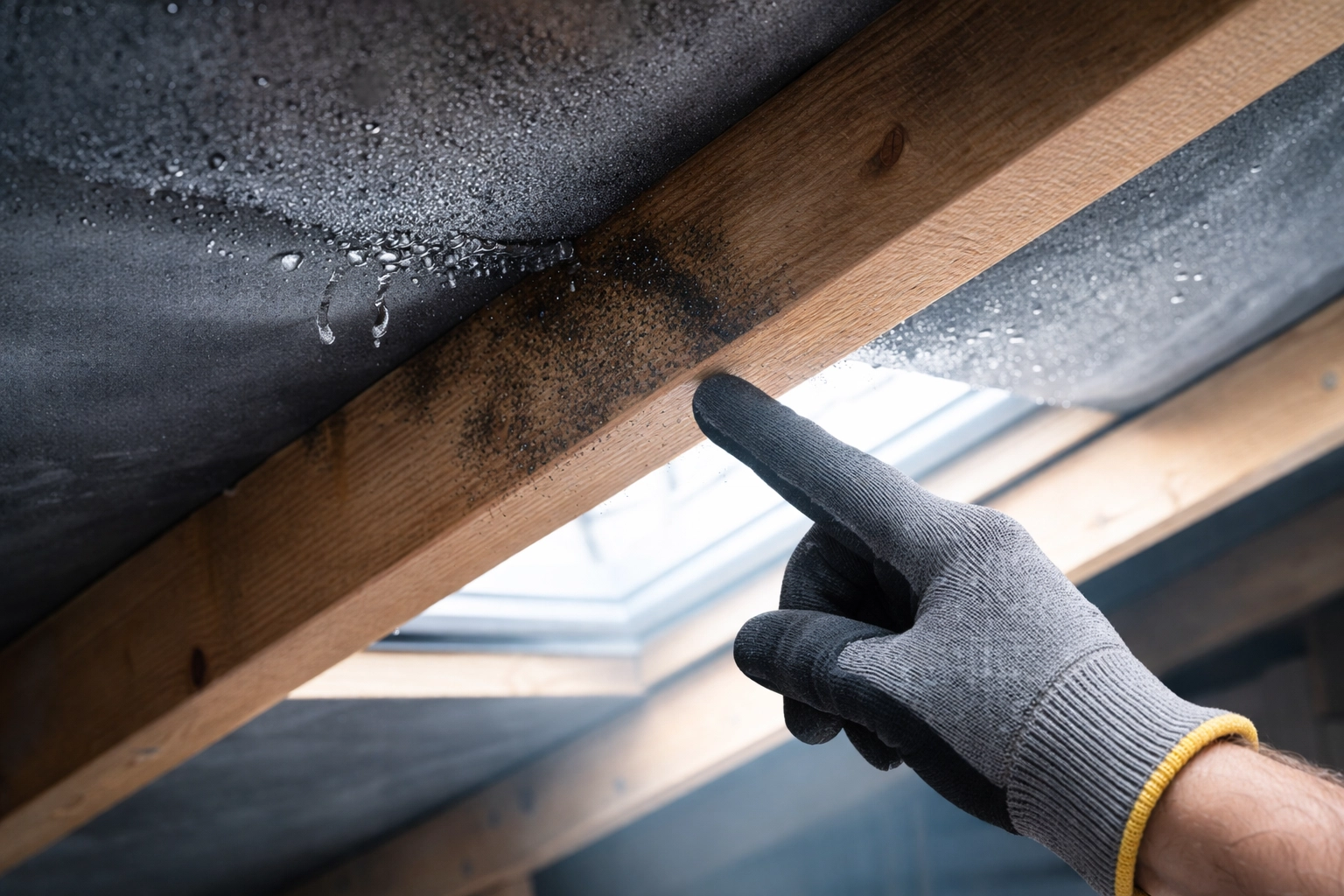
Without proper ventilation, moisture gets trapped. That moisture comes from everyday activities: cooking, showering, even breathing: and it rises up into your attic space. When it has nowhere to go, it condenses on cold surfaces like roof timbers and insulation. Over time, this creates the perfect environment for mould growth and wood decay.
In Belfast and across Northern Ireland, we see this problem constantly. Our wet winters and fluctuating temperatures mean attics are particularly vulnerable to condensation issues. A well-ventilated roof can last decades longer than a poorly ventilated one.
How Does Roof Ventilation Actually Work?
The principle behind roof ventilation is beautifully simple: warm air rises.
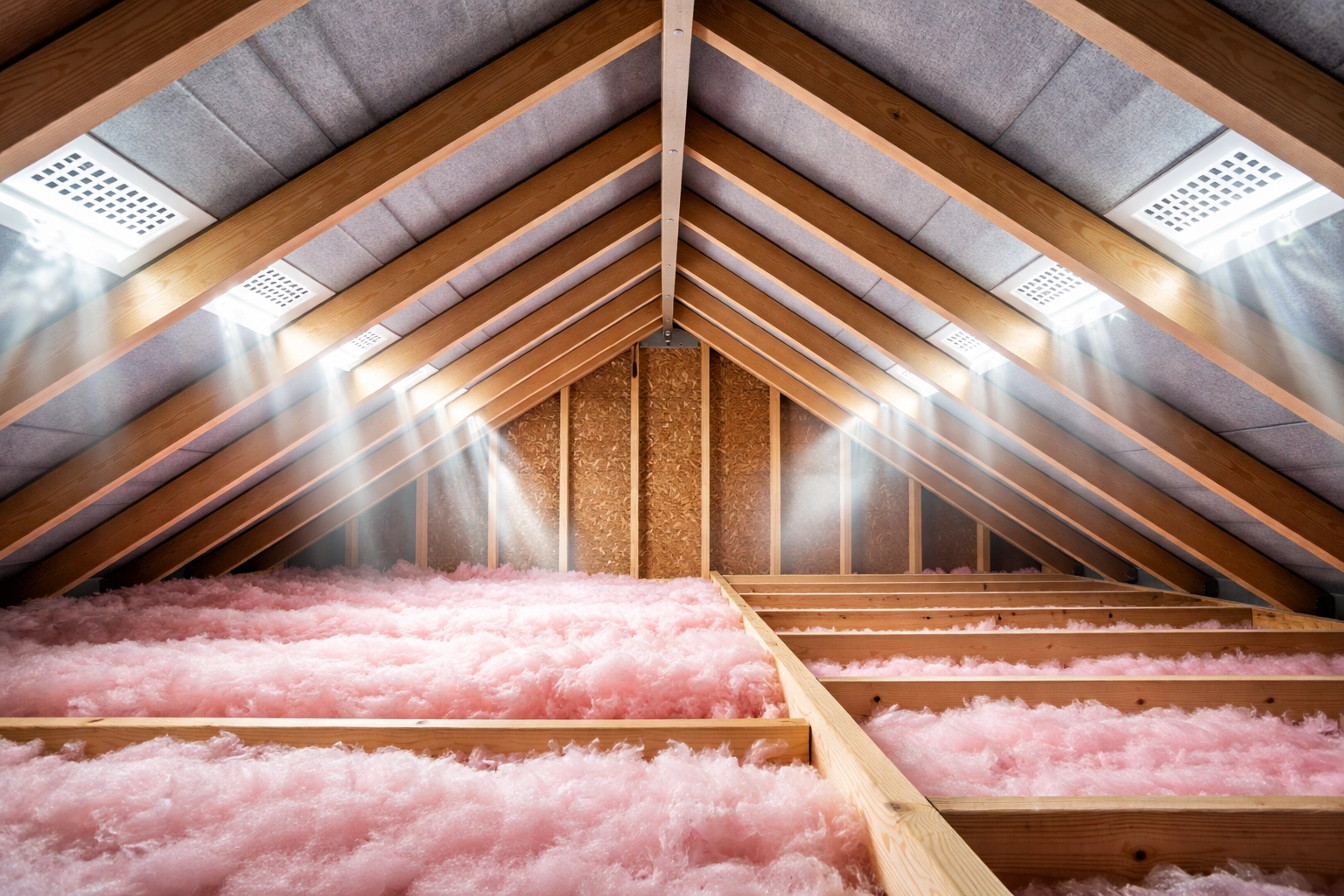
As the air in your attic heats up, it naturally moves upward and escapes through exhaust vents positioned near the ridge of your roof. This creates a slight vacuum effect that draws cooler, drier air in through intake vents located lower down, typically in your soffits or fascias.
This continuous cycle keeps air moving, prevents moisture buildup, and maintains a healthy attic environment year-round.
The key to effective ventilation is balance. You need roughly equal amounts of intake and exhaust ventilation. If one side of the equation is off, the system won't work properly. Too much exhaust without enough intake? You'll create negative pressure that can actually draw moisture into your attic. Too much intake without enough exhaust? Hot, humid air stays trapped at the top.
The Two Main Components: Intake and Exhaust Vents
Intake Vents: Where Fresh Air Enters
Intake vents are positioned at the lowest point of your roof system to bring fresh air in. The most common types include:
Soffit Vents – These sit underneath your roof's overhang and are the most popular choice for Northern Ireland homes. They're discreet, effective, and work with natural airflow patterns.
Fascia Vents – A modern alternative for properties without traditional soffit overhangs. These are particularly useful for newer builds or homes that have had their soffits boxed in.
Drip Edge Vents – Ideal when soffits are narrow or completely closed off. These fit along the edge of your roof and provide a slim but effective air intake.
Exhaust Vents: Where Stale Air Escapes
Exhaust vents sit near the top of your roof to release warm, moist air. Your options include:
Ridge Vents – Installed along the entire peak of your roof, these provide excellent coverage and work purely through natural convection. They're virtually invisible from ground level and require no power or maintenance.
Box Vents (Static Vents) – These are the square or circular vents you'll see dotted across many roofs. They're passive, reliable, and cost-effective, though you'll typically need several to match the output of a single ridge vent.
Turbine Vents – These spinning metal vents use wind power to actively extract hot air. They work brilliantly in exposed areas of Northern Ireland where we get plenty of breeze.
Powered Attic Fans – For homes with complex rooflines or severe ventilation challenges, electric fans can rapidly remove hot, humid air. Solar-powered versions are increasingly popular for energy-conscious homeowners.

What Happens When Ventilation Fails?
Ignoring ventilation problems is one of the most expensive mistakes a homeowner can make. The damage starts small and invisible, but it compounds quickly.
Mould and Mildew Growth
Trapped moisture creates the humid conditions mould spores need to thrive. Once established, mould spreads rapidly across roof timbers, insulation, and even down into your living spaces. Beyond the structural damage, mould poses serious health risks: particularly for anyone with respiratory conditions or allergies.
Timber Rot and Structural Damage
Wood that stays damp will eventually rot. In roof spaces, this affects your rafters, joists, and roof decking. Timber rot compromises the structural integrity of your entire roof. What starts as a ventilation issue can escalate into a complete roof replacement if left unchecked.
Wet Insulation
Insulation loses its effectiveness when it gets damp. Wet insulation not only fails to keep your home warm but can also become a breeding ground for mould. You'll notice higher energy bills and a colder home long before you spot the visible damage.
Ice Dam Formation
While less common in Northern Ireland than in colder climates, ice dams can still form during harsh winters. Poor ventilation allows heat to escape through the roof, melting snow that then refreezes at the eaves. This ice buildup can force water under your tiles and into your roof space.
Warning Signs Your Roof Needs Better Ventilation
Don't wait for visible rot to take action. Watch for these early warning signs:
- Musty or damp smells in your attic or upper floors
- Visible condensation on the underside of your roof felt
- Dark staining or discolouration on roof timbers
- Peeling paint or bubbling wallpaper in upstairs rooms
- Frost forming on nails or metal fixings in your attic during winter
- Excessive heat buildup in your attic during summer
- Mould spots appearing on ceilings or in corners of upstairs rooms
If you're noticing any of these issues, request a professional roof survey immediately. Early intervention prevents minor problems from becoming major expenses. Our team at Advanced Construction & Roofing offers comprehensive roof surveys across Belfast and Northern Ireland to identify ventilation issues before they cause lasting damage.
The Best Ventilation Setup for Northern Ireland Homes
For most properties in Belfast and throughout Northern Ireland, the ridge vent and soffit vent combination delivers the most reliable results.
This system works entirely through natural convection: no electricity, no moving parts, no maintenance headaches. Fresh air enters through the soffits, flows up through the attic space, and exits through the ridge vent. It's simple, effective, and perfectly suited to our climate.
Why does this combination work so well?
- It provides balanced airflow across the entire roof space
- It operates continuously, day and night, regardless of weather
- It creates no noise and has no running costs
- It requires minimal maintenance over its lifespan
- It works with the natural physics of warm air rising
For older Belfast homes with limited soffit space or unusual roof configurations, alternative solutions like fascia vents or discrete tile vents may be more appropriate. Every roof is different, and the best solution depends on your specific property.
Take Action Now to Protect Your Home
Proper roof ventilation isn't a luxury: it's essential protection for one of your biggest investments. In Northern Ireland's damp climate, the difference between a well-ventilated roof and a poorly ventilated one can mean thousands of pounds in prevented repairs.
Here's what to do next:
- Check your attic for signs of condensation, mould, or damp timbers
- Look at your roof from outside: can you see any existing vents?
- Note any musty smells or unexplained dampness in upstairs rooms
- Book a professional roof survey to get expert assessment
At Advanced Construction & Roofing, we've helped hundreds of homeowners across Belfast and Northern Ireland solve ventilation problems before they become structural nightmares. Contact us today for honest advice and a clear assessment of your roof's ventilation needs.