
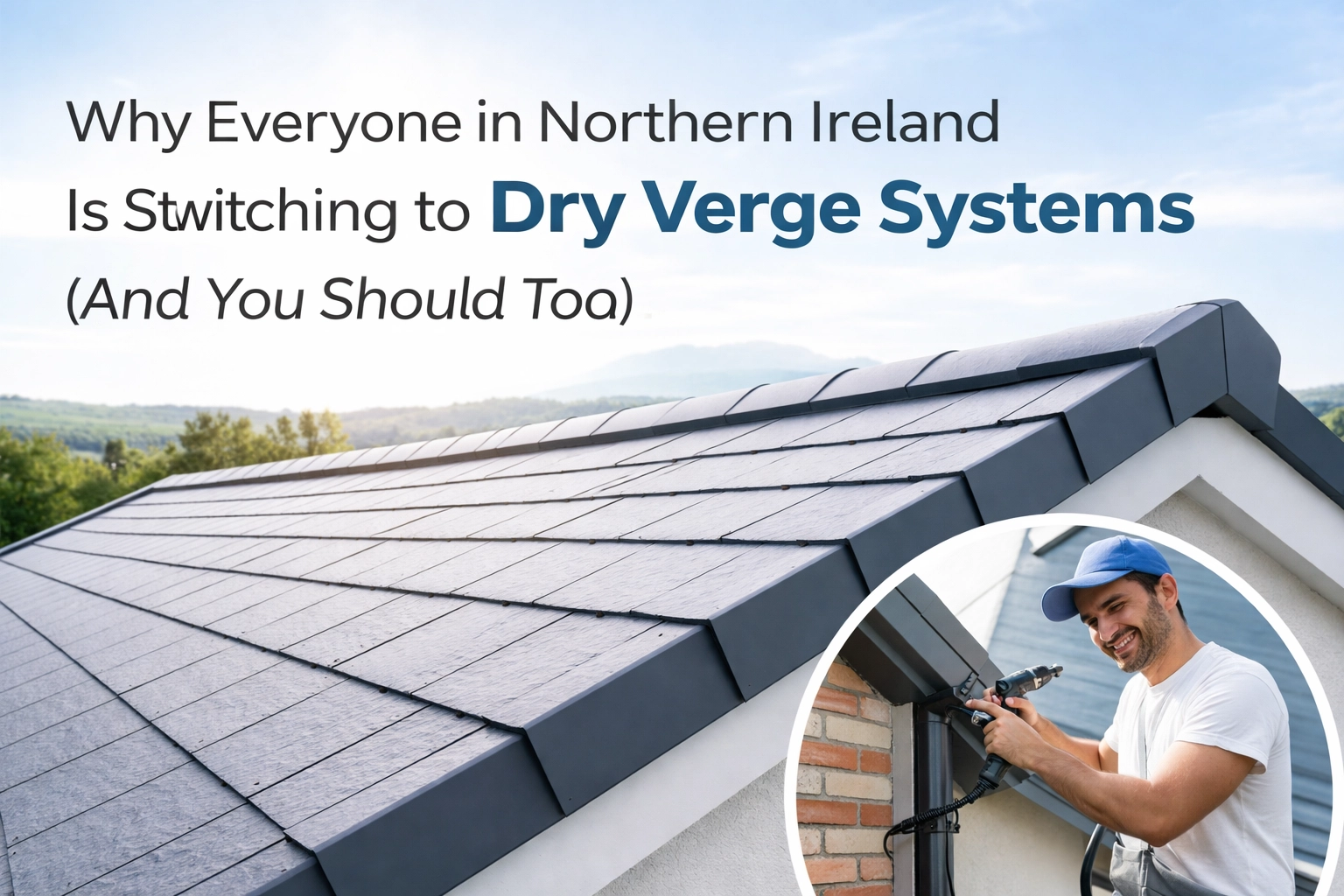

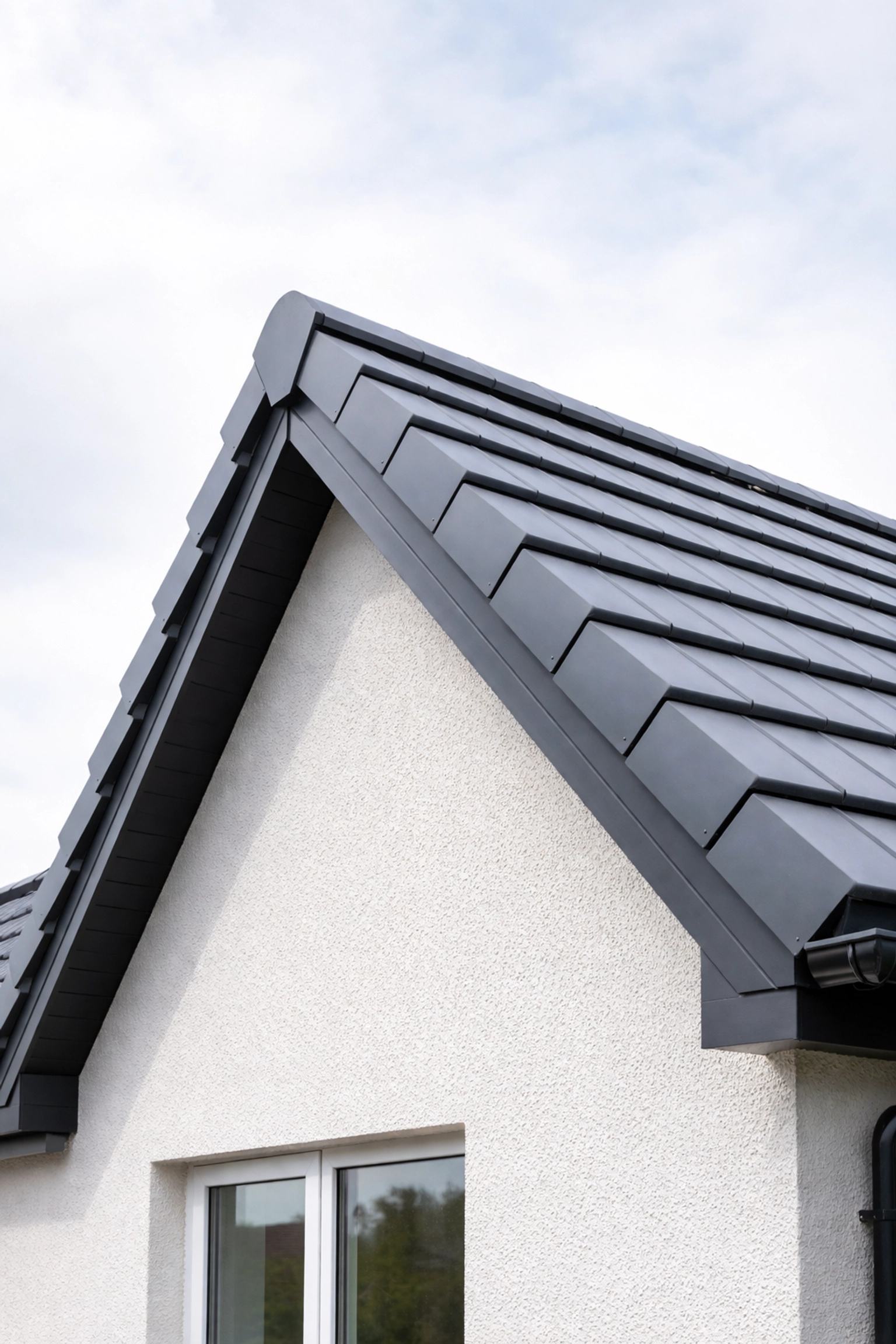
If you've driven through any housing estate in Belfast, Lisburn, or Bangor recently, you've probably noticed something different about the newer roofs. Those clean, crisp edges running down the gable ends? That's the dry verge system everyone's talking about: and there's a very good reason why homeowners across Northern Ireland are making the switch.
Gone are the days of crumbling mortar and constant repairs. Dry verge systems have become the gold standard for protecting your roof's most vulnerable points, and honestly, once you understand why, you'll wonder why anyone still bothers with the old-fashioned method.
Let's break down exactly what's driving this roofing revolution and why your home might be next on the list.
What Exactly Is a Dry Verge System?
Before we dive into the benefits, let's get clear on what we're actually talking about.
The verge is where your roof tiles meet the gable end of your house: that sloped edge running from the guttering up to the ridge. Traditionally, roofers would bed these tiles in mortar (a "wet verge") to hold everything in place and seal the gaps.
A dry verge system takes a completely different approach. Instead of relying on mortar, it uses specially designed interlocking plastic or composite caps that mechanically clip onto your tiles and screw directly into the timber battens beneath. No mortar. No mess. No ongoing maintenance headaches.
Why Traditional Mortar Verges Are Failing Northern Ireland Homes
Here's the uncomfortable truth about wet verges: they were never designed to handle what Northern Ireland's weather throws at them.
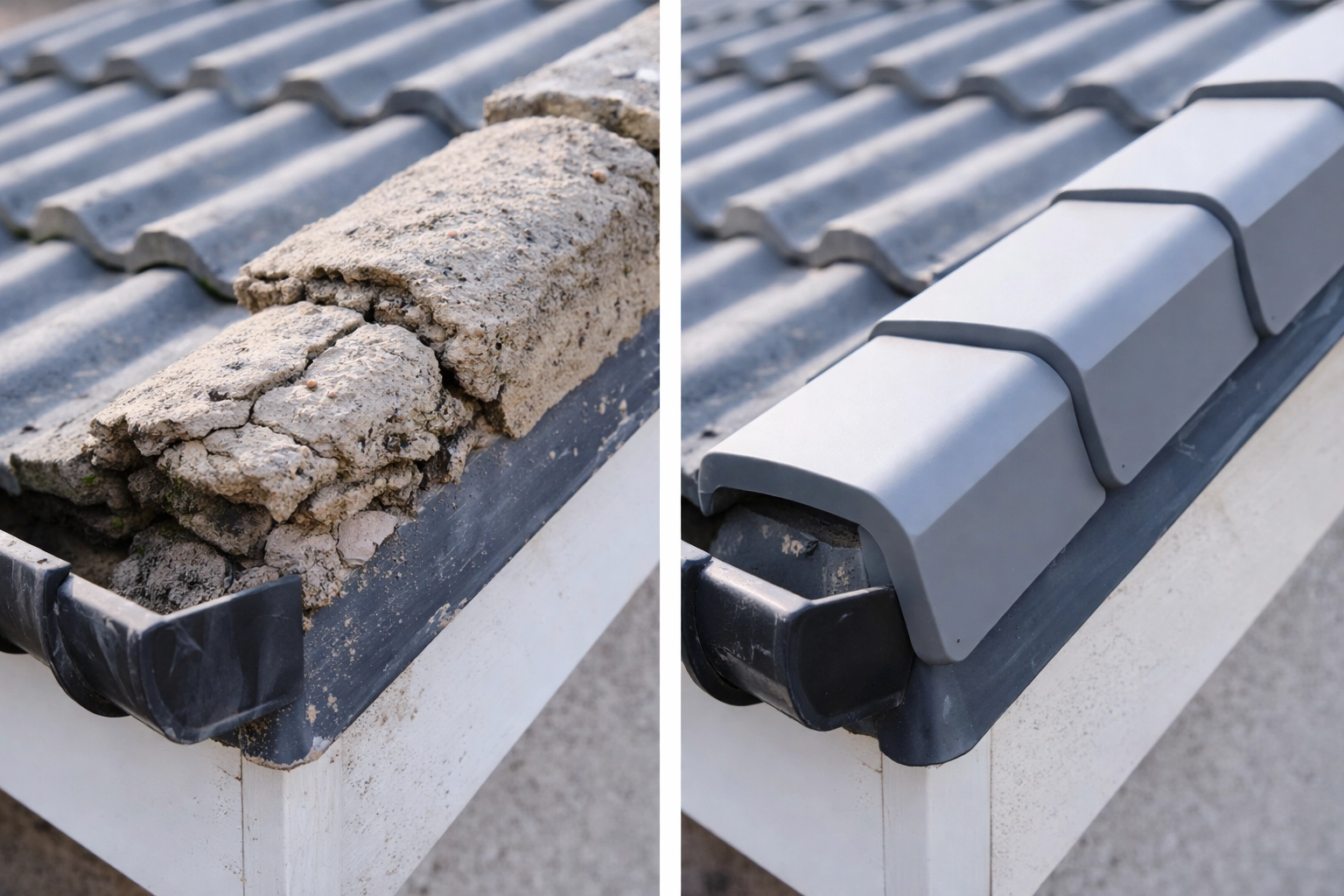
Mortar deteriorates. It's not a question of if: it's a question of when. Every freeze-thaw cycle, every driving rain storm, every gust of wind chips away at that mortar bedding. Within 10-15 years (often much sooner), you'll start seeing cracks. Then gaps. Then chunks falling off entirely.
And when that mortar fails, you're left with:
- Exposed gaps where rain can penetrate into your roof space
- Loose tiles that can lift or blow off in storms
- Entry points for birds, insects, and rodents looking for a cosy spot to nest
- Ongoing repair bills that add up year after year
Sound familiar? If you've already had to call out a roofer to re-point your verges, you know exactly how frustrating (and expensive) this cycle becomes.
The reality is that traditional mortar verges require constant attention and periodic repairs. In a climate like ours, that's simply not practical or cost-effective.
The Benefits of Switching to Dry Verge Systems
So what makes dry verge systems the smarter choice? Let's run through the key advantages that are convincing homeowners across Belfast, Derry, and beyond to make the switch.
Superior Storm Protection
Northern Ireland isn't exactly known for its gentle breezes. When Atlantic storms roll in, your roof takes a battering: and the verge is often the first point of failure.
Dry verge systems are mechanically fixed, meaning each cap unit interlocks with the next and screws directly into your roof structure. This creates a continuous, secure barrier that resists high wind forces far better than mortar ever could.

The result? Your tiles stay exactly where they should be, even when the weather does its worst. If you've ever dealt with storm damage to your roof, you'll appreciate just how valuable that peace of mind is.
Zero Maintenance Required
This is the big one for most homeowners.
Once a dry verge system is installed correctly, it requires virtually no ongoing maintenance. There's no mortar to crack, crumble, or fall out. No periodic re-pointing. No emergency call-outs after every winter storm.
You install it once, and it does its job for decades. It's genuinely that simple.
Compare that to wet verges, which typically need attention every few years, and the long-term savings become obvious.
Complete Pest Prevention
Here's something many homeowners don't think about until it's too late: those gaps in failing mortar verges make perfect entry points for unwanted guests.
Birds love nesting in roof spaces. Wasps will happily set up home in any accessible void. And once they're in, getting them out becomes a whole separate problem.
Dry verge systems seal these gaps completely. The interlocking caps create a continuous barrier with no holes, cracks, or openings for pests to exploit. Your roof space stays exactly as it should: empty and undisturbed.
Improved Energy Efficiency
Those same gaps that let in pests? They're also letting in cold air and letting out your expensive heating.
A properly installed dry verge system eliminates drafts and improves your roof's overall thermal performance. While it won't transform your energy bills overnight, every little improvement helps: especially with heating costs where they are right now.
A Clean, Modern Appearance
Let's be honest: old mortar verges look tired. Stained, cracked, uneven: they age poorly and drag down your home's kerb appeal.
Dry verge systems, on the other hand, provide a clean, consistent finish that looks smart for years. Available in a range of colours to match your tiles, they give your roofline a crisp, professional appearance that genuinely improves how your property looks.
If you're thinking about selling at any point, that visual upgrade matters more than you might think.
Why Northern Ireland Specifically Needs Dry Verge Systems
We've touched on this already, but it's worth emphasising: our local climate makes dry verge systems even more essential.
Northern Ireland experiences:
- High rainfall throughout the year
- Frequent strong winds, particularly in coastal and exposed areas
- Regular freeze-thaw cycles during winter months
- Salt-laden air in coastal regions that accelerates mortar deterioration
Traditional wet verges simply weren't designed for these conditions. They fail faster here than they would in drier, milder climates: which is exactly why so many local homeowners are proactively upgrading.
Whether you're in an exposed spot overlooking Belfast Lough or tucked into a housing development in Newry, the same principle applies. Dry verge systems handle Northern Ireland's weather better. Full stop.
What About the Cost?
Let's address the elephant in the room: dry verge systems do cost more upfront than traditional mortar bedding.
However, when you factor in the long-term savings on repairs, maintenance, and potential storm damage, the picture changes dramatically. Most homeowners find that dry verges pay for themselves within 5-10 years: and continue saving money for decades after that.
Think of it as an investment rather than an expense. You're paying a bit more now to avoid paying a lot more later.
If you're unsure about the current condition of your verges, booking a roof survey is the smart first step. A professional assessment will tell you exactly what you're dealing with and whether an upgrade makes sense for your property.
Is It Time to Make the Switch?
If your home still has traditional mortar verges, here are some signs it might be time to consider upgrading:
- Visible cracks or gaps in the mortar bedding
- Mortar debris in your gutters or around the base of your walls
- Tiles that have shifted or appear loose along the gable edge
- Evidence of birds or pests accessing your roof space
- Damp patches appearing in your loft or upper rooms
Don't wait until a storm causes serious damage. Proactive upgrades are always cheaper than emergency repairs.
Ready to Upgrade Your Verges?
Dry verge systems have become the standard for good reason. They're more durable, more reliable, and more cost-effective over time than traditional mortar verges: especially here in Northern Ireland.
If you're ready to give your roof the protection it deserves, contact Advanced Construction & Roofing today. Our experienced team has helped hundreds of homeowners across Belfast and beyond upgrade to dry verge systems, and we'd be happy to assess your property and provide an honest, no-obligation quote.
Call us now or request a roof survey to find out exactly what your roof needs.