
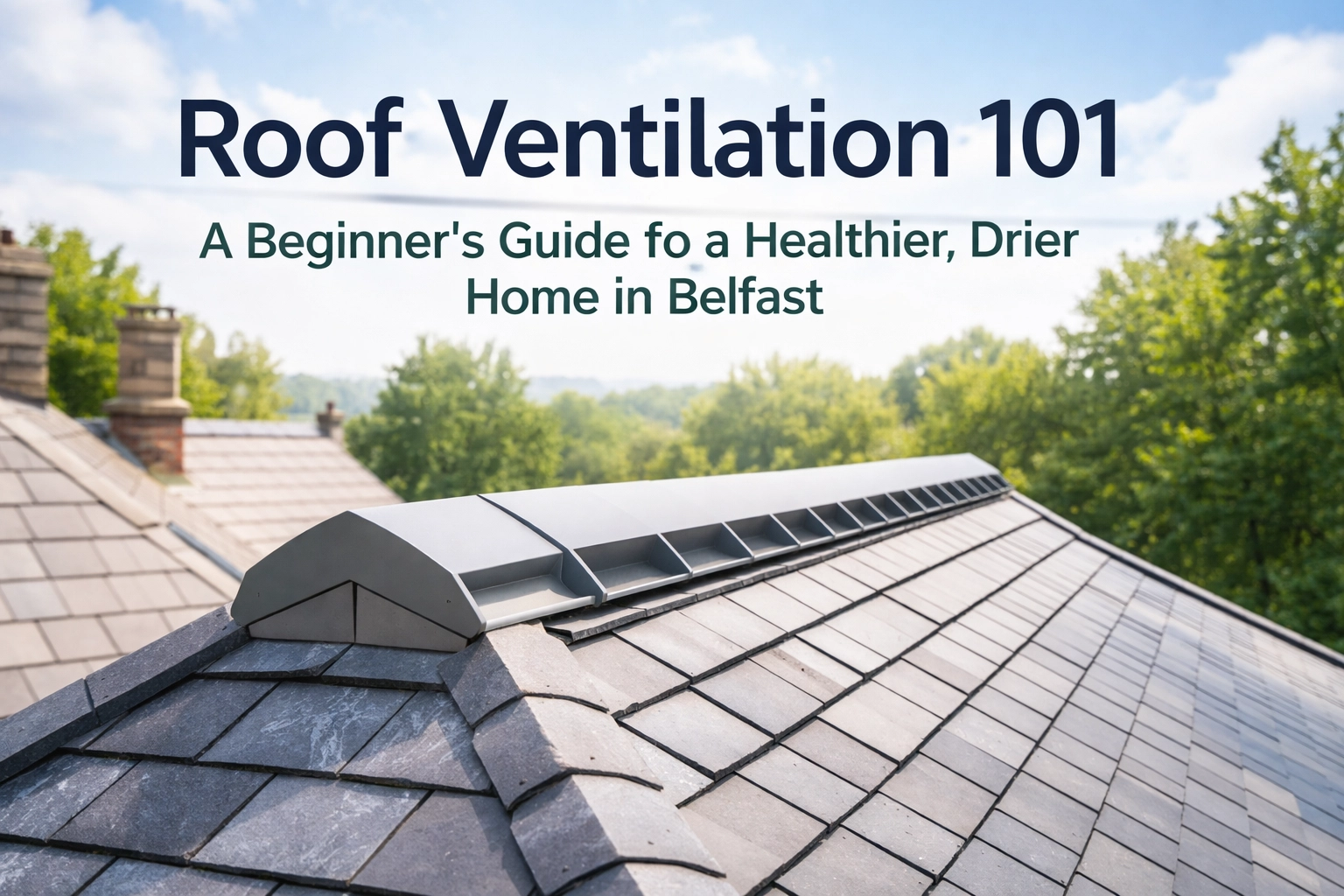

Is your Belfast home feeling damp, musty, or suffering from mysterious condensation problems? The culprit might be hiding right above your head. Poor roof ventilation is one of the most overlooked issues in Northern Ireland homes, and it's silently causing damage that could cost you thousands in repairs.
Here's the truth: Belfast's wet climate makes proper roof ventilation absolutely essential. Without it, your loft becomes a breeding ground for moisture, mould, and timber rot. The good news? Understanding how ventilation works puts you in control of protecting your property.
This guide breaks down everything you need to know about roof ventilation, from the science behind airflow to the different vent types available for your Belfast home.
Why Does Roof Ventilation Matter So Much in Belfast?
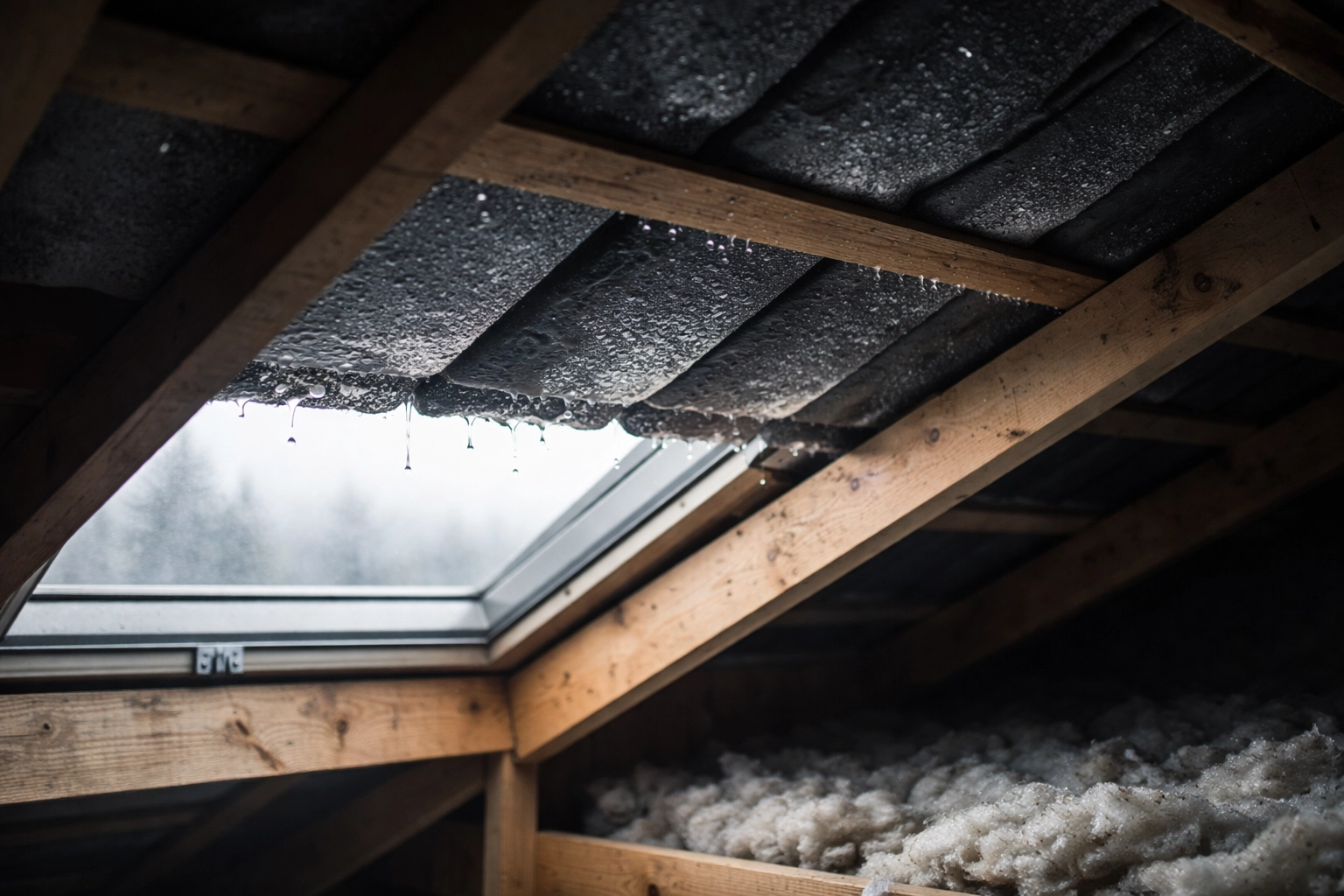
Belfast averages over 200 days of rainfall per year. That constant moisture, combined with temperature fluctuations between your heated living space and cold loft, creates the perfect conditions for condensation.
Think about what happens when you breathe on a cold window. That same principle applies to your roof space. Warm, moist air rises from your home, from cooking, showering, and even just breathing, and hits the cold underside of your roof. Without proper ventilation, that moisture has nowhere to go.
The consequences? Rotting roof timbers, damaged insulation, black mould growth, and structural problems that threaten your home's integrity.
A well-ventilated loft prevents damp and condensation while maintaining stable temperatures year-round. It's not a luxury, it's a necessity for every Belfast homeowner serious about protecting their property.
The Science of Airflow: How Roof Ventilation Actually Works
Understanding the basics helps you make smarter decisions about your home. Roof ventilation operates on a simple principle: create continuous airflow through your roof space.
Here's how it works:
- Cool, dry air enters at low points (usually at the eaves)
- Air circulates through the loft space, picking up moisture
- Warm, moist air exits at high points (typically the ridge)
This natural circulation: driven by temperature differences and wind pressure: removes excess moisture before it causes problems. It's passive, requires no energy, and works 24/7 when properly installed.
The key word here is balance. Your roof needs adequate intake ventilation at the eaves AND exhaust ventilation at the ridge. Too much of one without the other creates ineffective airflow or, worse, negative pressure that can draw moisture into your home.
Professional roofers typically follow 1:150 or 1:300 ratio guidelines: meaning for every 150 or 300 square feet of loft floor space, you need one square foot of ventilation area. Undersized systems are far more common than oversized ones, which is why professional assessment matters.
Types of Roof Ventilation: What Are Your Options?
Not all vents are created equal. Different Belfast properties require different ventilation solutions depending on roof design, existing structure, and aesthetic preferences. Here are the main types you should know about:
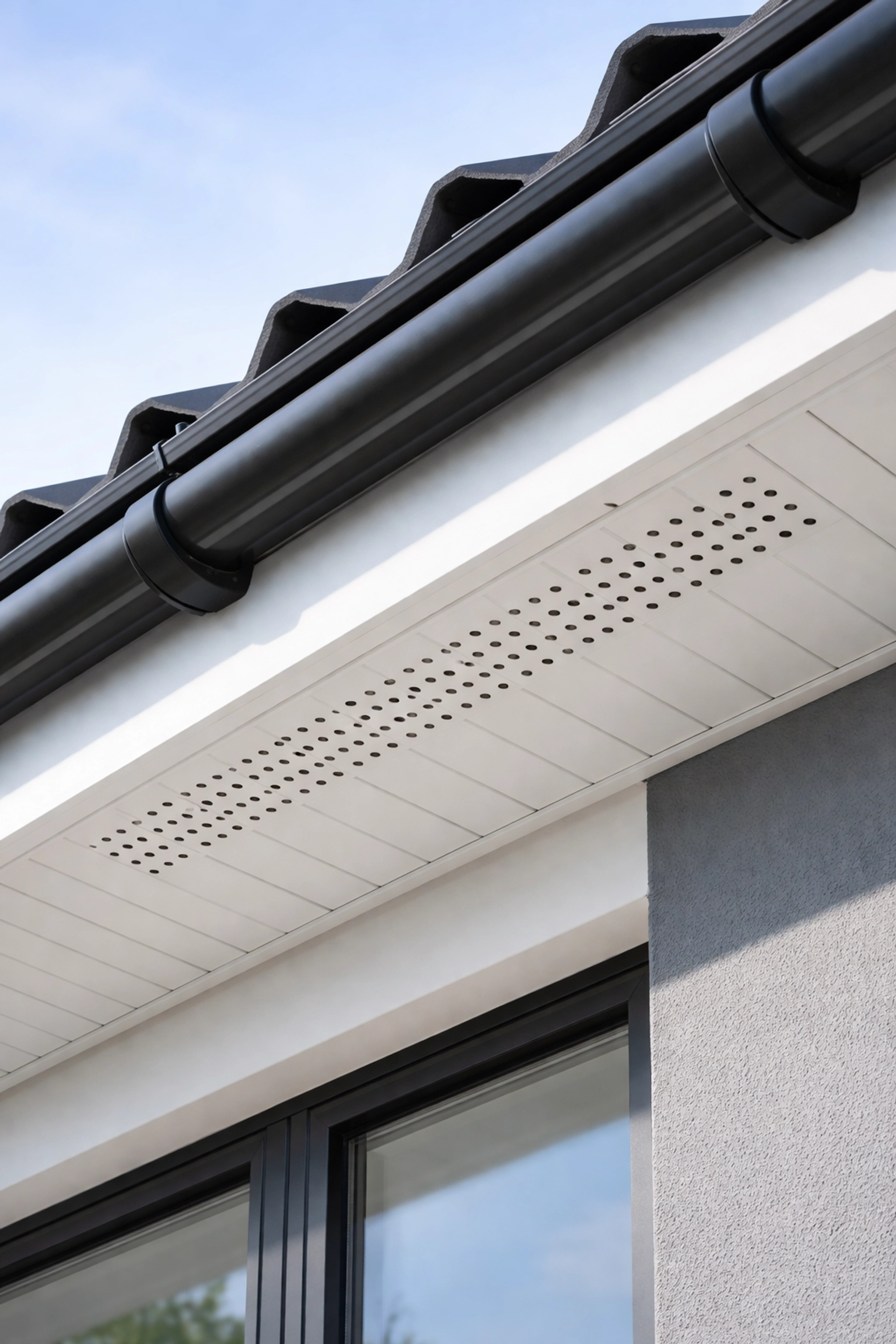
Eaves Level Ventilation (Soffit Vents)
This is your intake system: where fresh air enters your roof space.
Soffit vents are installed in the underside of your roof overhang (the soffit board). They're hidden from view, making them an unobtrusive option for maintaining your home's appearance.
Options include:
- Continuous soffit strips – provide consistent ventilation along the entire eaves
- Circular soffit vents – individual vents installed at intervals
- Over-fascia vents – installed above the gutter line when soffit installation isn't practical
For Belfast homes with older construction, over-fascia vents and eaves protection boards allow cool air to enter without compromising your roofline's appearance or requiring major structural changes.
Ridge Ventilation
Located at the roof's peak, ridge vents provide the exit point for warm, moist air.
Ridge ventilation is considered the most effective exhaust method because hot air naturally rises to the highest point. Modern in-line ridge ventilators maintain aesthetic appeal while providing excellent airflow.
Benefits of ridge ventilation:
- Works with natural convection – no mechanical assistance needed
- Even extraction – pulls air from the entire loft space rather than localised points
- Weather protection – designed to prevent rain and snow ingress
- Invisible from street level – maintains your roof's clean appearance
When combined with proper eaves ventilation, ridge vents create the balanced system your Belfast home needs.
Slate and Tile Vents
These specialised vents blend seamlessly with your existing roofing material.
If your roof lacks adequate ridge or eaves ventilation: or if you need additional airflow in specific areas: tile and slate vents offer a practical solution. They're designed to match common roofing materials used throughout Northern Ireland, making them suitable for both new builds and retrofits.
Tile vents are particularly useful for:
- Bathrooms and kitchens – extracting moist air from specific rooms
- Low-pitched roofs – where ridge ventilation isn't practical
- Listed buildings – where maintaining original appearance is essential

What Happens When Ventilation Fails? The Real Cost of Neglect
Ignoring roof ventilation doesn't save money: it costs you far more in the long run.
Here's what poor ventilation causes in Belfast homes:
Timber Rot and Structural Damage
Excess moisture attacks your roof's wooden components: rafters, joists, and battens. Once rot sets in, you're looking at serious structural repairs. Replacing rotted roof timbers can cost thousands of pounds and often reveals additional hidden damage.
Insulation Degradation
Wet insulation loses its effectiveness. That means higher heating bills, uncomfortable temperatures, and wasted energy. Your insulation should keep you warm: not absorb moisture from a poorly ventilated loft.
Mould and Health Problems
Black mould thrives in damp, poorly ventilated spaces. It's not just unsightly: it's a health hazard, particularly for family members with respiratory conditions, allergies, or weakened immune systems.
Roof Covering Damage
Condensation can cause felt underlay to deteriorate, leading to water ingress. Combined with frost damage during Belfast's cold snaps, this accelerates wear on your entire roof system.
If you've been experiencing recurring roof problems, inadequate ventilation might be the underlying cause that keeps bringing issues back.
Additional Protection: Working With Your Ventilation System
Ventilation works best as part of a comprehensive moisture management strategy.
Quality roofing underlays: particularly vapour-permeable membranes: provide secondary defence against water ingress while allowing moisture to escape upward. Unlike traditional felt, these modern membranes work with your ventilation system rather than against it.
Proper loft insulation also plays a role. Insulation should be installed carefully to avoid blocking eaves ventilation points. A common DIY mistake is pushing insulation into the eaves, which stops airflow and defeats the entire purpose of your ventilation system.
If you're unsure about your current setup, a professional roof survey can identify ventilation deficiencies before they become expensive problems.
Signs Your Belfast Home Needs Better Ventilation
How do you know if your roof ventilation is failing? Look for these warning signs:
- Condensation on loft windows or cold water tanks
- Musty smells when entering the loft space
- Visible mould or mildew on roof timbers
- Damp patches on upstairs ceilings
- Peeling paint or wallpaper in top-floor rooms
- Ice forming on the underside of the roof in winter
Don't ignore these symptoms. Early intervention prevents minor ventilation issues from becoming major structural problems.
Take Action: Protect Your Belfast Home Today
Proper roof ventilation isn't optional in Northern Ireland's climate: it's essential.
Whether you're building new, renovating, or simply maintaining your existing property, understanding ventilation puts you in control. You now know how airflow works, what vent types are available, and why balanced systems matter.
The next step? Get your roof professionally assessed. A qualified surveyor can identify existing ventilation, spot deficiencies, and recommend solutions tailored to your specific Belfast property.
Contact Advanced Construction & Roofing to book your comprehensive roof survey. We'll assess your ventilation, identify any moisture damage, and provide clear recommendations: no jargon, no pressure, just honest advice from experienced local professionals.
Your roof protects everything underneath it. Make sure it can breathe.