
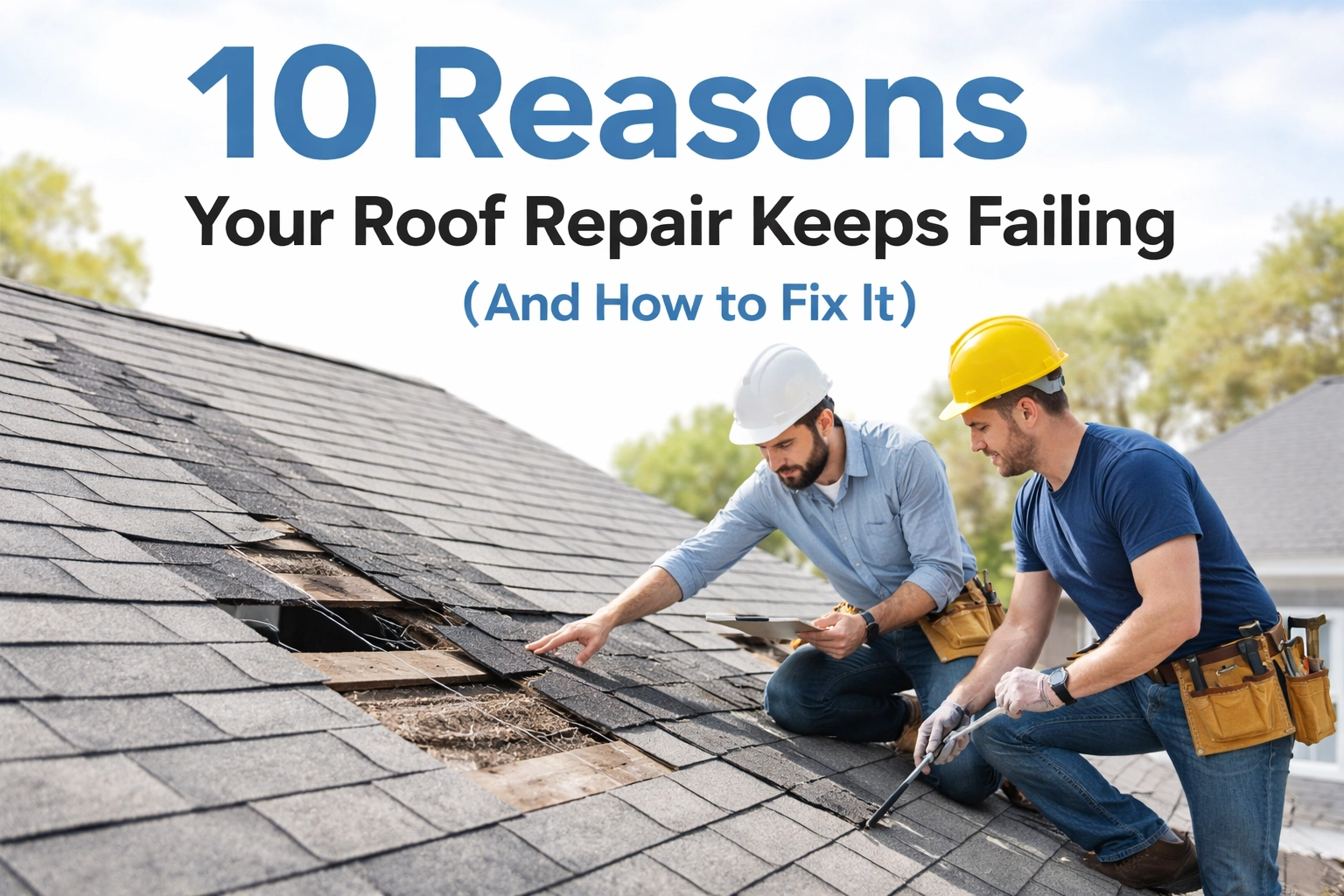

You've had your roof "fixed" twice already this year. Maybe three times. Yet here you are, bucket in the hallway, damp patches spreading across the ceiling, and another roofer's number in your hand.
Sound familiar?
If your roof repair keeps failing, you're not alone. Across Belfast and Northern Ireland, we see homeowners trapped in an endless cycle of patch jobs that never quite solve the problem. The frustrating truth? Most roof repairs fail because they treat symptoms, not causes.
Let's break down exactly why this happens, and more importantly, how to fix it for good.
Why Do Roof Repairs Keep Failing?
Before we dive into the reasons, understand this: a failing repair isn't always about bad luck. It's usually about bad diagnosis, bad materials, or bad workmanship. Sometimes all three.
Here are the 10 most common reasons your roof repair isn't holding up.
1. The Root Cause Was Never Identified
This is the number one reason repairs fail. A roofer spots a crack, patches it, and leaves. But that crack was caused by something else, maybe poor ventilation, structural movement, or water travelling from a completely different area.
How to fix it: Don't accept a quick patch job. Request a proper inspection that identifies why the damage occurred, not just where it appeared.

2. Poor Quality Materials Were Used
Cheap materials fail. It's that simple.
Subpar roofing materials are prone to punctures, tears, and premature deterioration. That budget felt or bargain-bin sealant might save you £50 today, but it'll cost you hundreds when it fails in 18 months.
How to fix it: Always ask what materials are being used. Reputable contractors use products from established manufacturers with proper quality control. If your roofer can't tell you the brand and specification, walk away.
3. Incorrect Installation Techniques
Even good materials fail when installed incorrectly. Misaligned slates, inadequate sealing, incorrect nail placement, these rookie errors compromise your entire roof structure.
Common installation mistakes include:
- Insufficient adhesives
- Inconsistent heat-sealing on flat roofs
- Shingles not aligned to manufacturer guidelines
- Nails placed too high or too low
How to fix it: Hire experienced contractors who follow manufacturer guidelines and building codes. Ask about their process. Professionals won't mind explaining their methods.
4. Flashing Failures
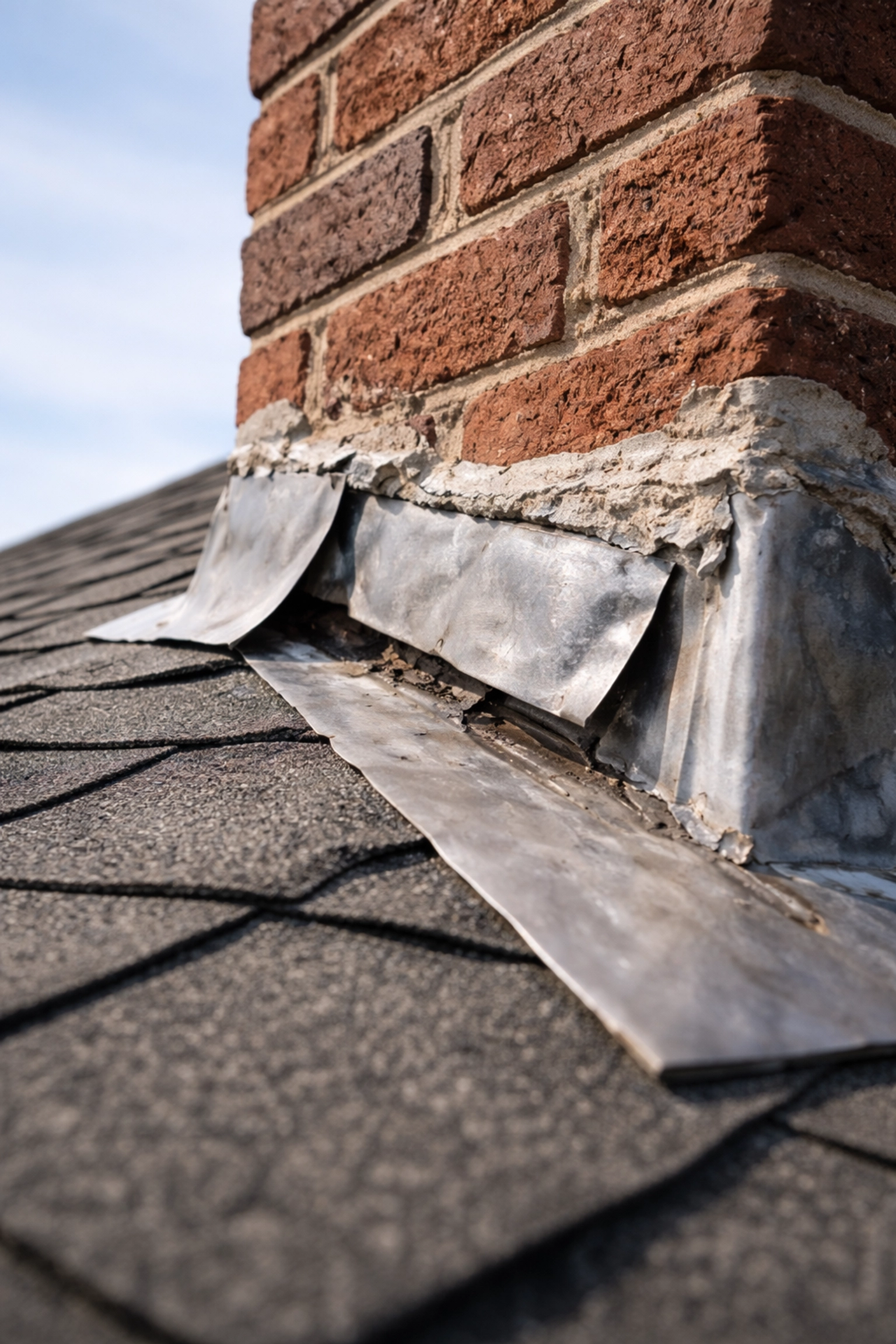
Flashing, the metal strips that seal joints around chimneys, vents, and walls, is where most leaks originate. Yet it's often the most neglected part of a repair.
We regularly see flashing "repairs" where someone's just slapped caulk over the problem. Caulk is not flashing. It's a temporary bodge that will fail within months.
How to fix it: Insist on proper flashing materials, correctly installed. Flashing should be integrated with your roof system, not stuck on as an afterthought.
5. Layered Shingles Creating Hidden Problems
Here's a shortcut that always backfires: installing new shingles directly over old ones.
Multiple roof layers add weight, shorten your roof's lifespan, and make leak detection nearly impossible. Water travels between layers, appearing meters away from the actual entry point.
How to fix it: Remove old layers completely before installing new materials. Yes, it costs more upfront. But it prevents the nightmare of chasing phantom leaks for years.
6. Inadequate Ventilation and Insulation
Your attic's ventilation directly affects your roof's lifespan. Poor ventilation causes condensation, which leads to:
- Sheathing deterioration
- Mould growth
- Curled or buckled shingles
- Frost damage in winter
How to fix it: Check that ventilation is balanced between intake and exhaust. Ensure soffit vents aren't blocked by paint overspray or insulation. Verify your insulation is properly installed and rated for your property.
7. Drainage Problems Causing Recurring Damage
Water that doesn't drain properly will find somewhere to go: usually into your property.
Inefficient drainage causes ponding water on flat roofs, which encourages mould growth, rusts metallic components, and accelerates material breakdown. On pitched roofs, blocked gutters force water back under tiles.
How to fix it: Drainage must be designed as part of your roofing system, not added as an afterthought. Clear gutters regularly and ensure downpipes are flowing freely.

8. Environmental Damage Going Unaddressed
Northern Ireland's weather is brutal on roofs. High winds, driving rain, hail, falling debris, and extreme temperature shifts all weaken roofing materials over time.
A repair might fix today's damage, but if underlying weather-related deterioration isn't addressed, you'll be calling again next storm season.
How to fix it: Schedule regular professional inspections: especially after severe weather. Proactive maintenance catches problems before they become expensive failures.
9. Manufacturer Defects in Materials
Sometimes the materials themselves are the problem. Certain shingle products have been subject to class action lawsuits due to premature deterioration. Budget products from unknown manufacturers often lack proper quality testing.
How to fix it: Request documentation of the exact materials being used: brand, type, and specification. If there's any doubt about quality, consult with a licensed roofing professional before proceeding.
10. No Ongoing Maintenance Programme
Here's the uncomfortable truth: even good repairs fail without maintenance.
Small problems escalate into major failures when ignored. A loose tile becomes a leak. A blocked gutter becomes water damage. A minor crack becomes structural rot.
How to fix it: Implement a regular maintenance programme. This doesn't mean expensive annual overhauls: just periodic professional inspections to catch issues early.
How to Break the Cycle: Start With a Proper Survey
If you've read this far, you're probably nodding along. You've experienced at least three or four of these issues firsthand.
So how do you actually break the cycle?
You start with a proper professional survey.
Not a quick look from a ladder. Not a free quote that's really just a sales pitch. A genuine, thorough inspection that identifies the root cause of your roofing problems.
At Advanced Construction & Roofing, our £295 Roof Survey includes:
- Visual inspection of all accessible roof areas
- Photo evidence documenting every defect found
- Detailed analysis identifying root causes, not just symptoms
- Written report with prioritised recommendations
- Honest assessment of what needs fixing now versus what can wait
This isn't a sales tactic to upsell you on work. It's a diagnostic tool that tells you exactly what's wrong and why your previous repairs failed.
Our Commitment to Quality Materials
We've been in the roofing business across Belfast and Northern Ireland for over 25 years. In that time, we've learned that quality materials aren't optional: they're essential.
Every repair and installation we complete uses products from reputable manufacturers with proven track records. We'll tell you exactly what we're using and why.
Because cheap repairs aren't cheap. They're just expensive repairs you haven't paid for yet.
Stop Patching. Start Fixing.
If your roof repair keeps failing, stop throwing money at temporary solutions. Get a proper diagnosis first.
Call Advanced Construction & Roofing today to book your professional roof survey. Let's find out what's really going wrong: and fix it once, properly.