


Is your loft damp, musty, or showing signs of condensation? There's a good chance your roof ventilation isn't doing its job.
Poor roof ventilation is one of the most overlooked problems in Northern Ireland homes. It causes mould growth, timber rot, and can slash your roof's lifespan from 20 years down to just 8-10 years. The worst part? Most homeowners don't realise there's a problem until serious damage has already occurred.
Here's the good news: most ventilation issues have straightforward fixes once you know what to look for.
Use this checklist to diagnose what's going wrong with your roof ventilation: and learn exactly how to fix it.
1. Your Soffit Vents Are Blocked
The Problem: Soffit vents are your roof's primary intake points. They draw cool, fresh air into the loft space. When they're blocked by paint, debris, bird nests, or accumulated dirt, airflow stops dead.
The Fix: Inspect your soffits from ground level with binoculars or get up on a ladder for a closer look. Clear any visible obstructions. If the vents are painted over, carefully scrape them clean or replace them entirely. Consider fitting mesh covers to prevent future blockages from birds and insects.
2. You Don't Have Enough Ridge Vents
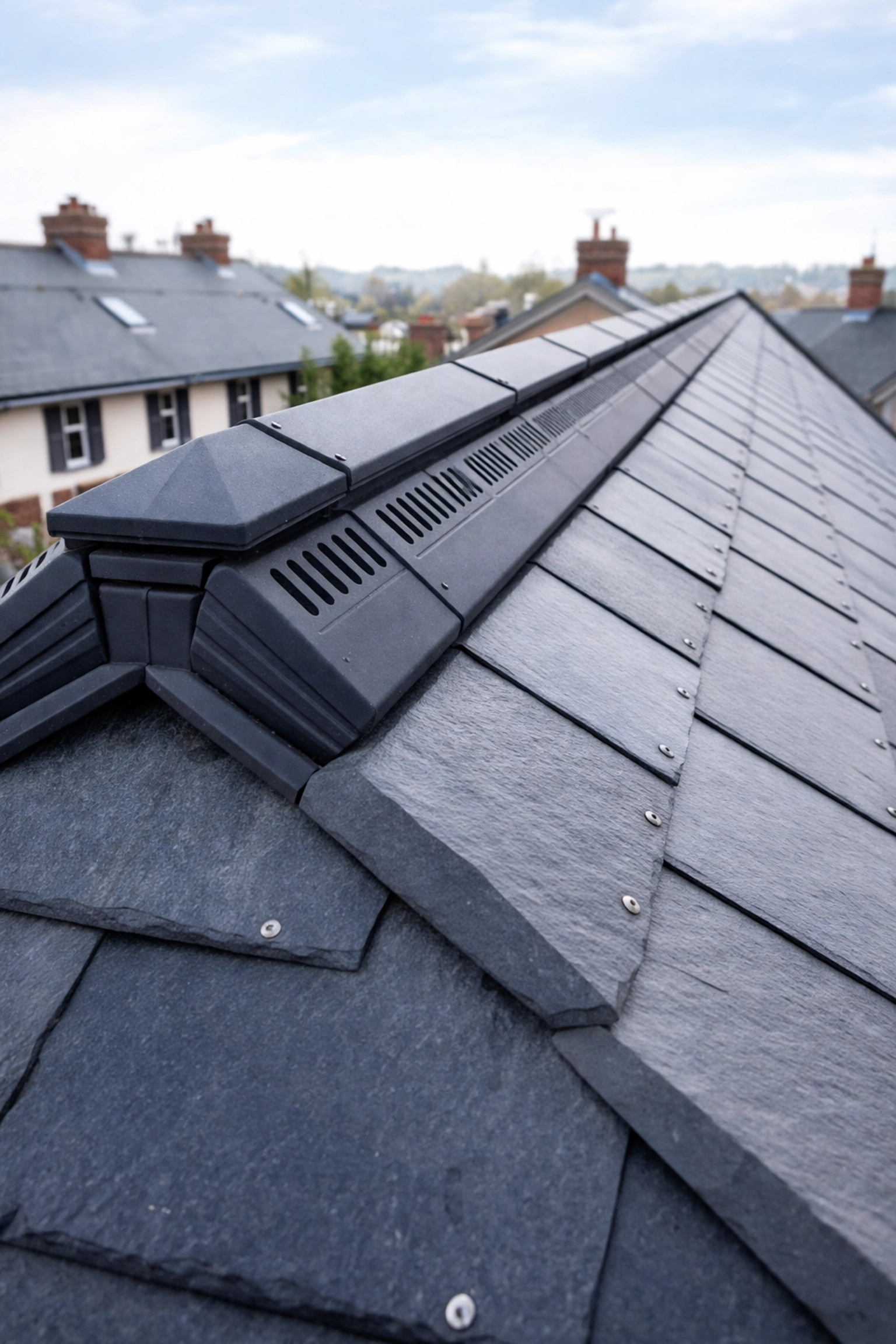
The Problem: Ridge vents sit at the peak of your roof and allow hot, moist air to escape. If you don't have enough: or any at all: that warm air has nowhere to go. It gets trapped, condenses on cold surfaces, and creates the perfect environment for mould and rot.
The Fix: Have a professional assess whether your current ridge ventilation is adequate for your loft space. In many cases, installing additional ridge vents or upgrading to a continuous ridge vent system solves the problem completely.
3. Your Ridge Vents Are Blocked by Insulation
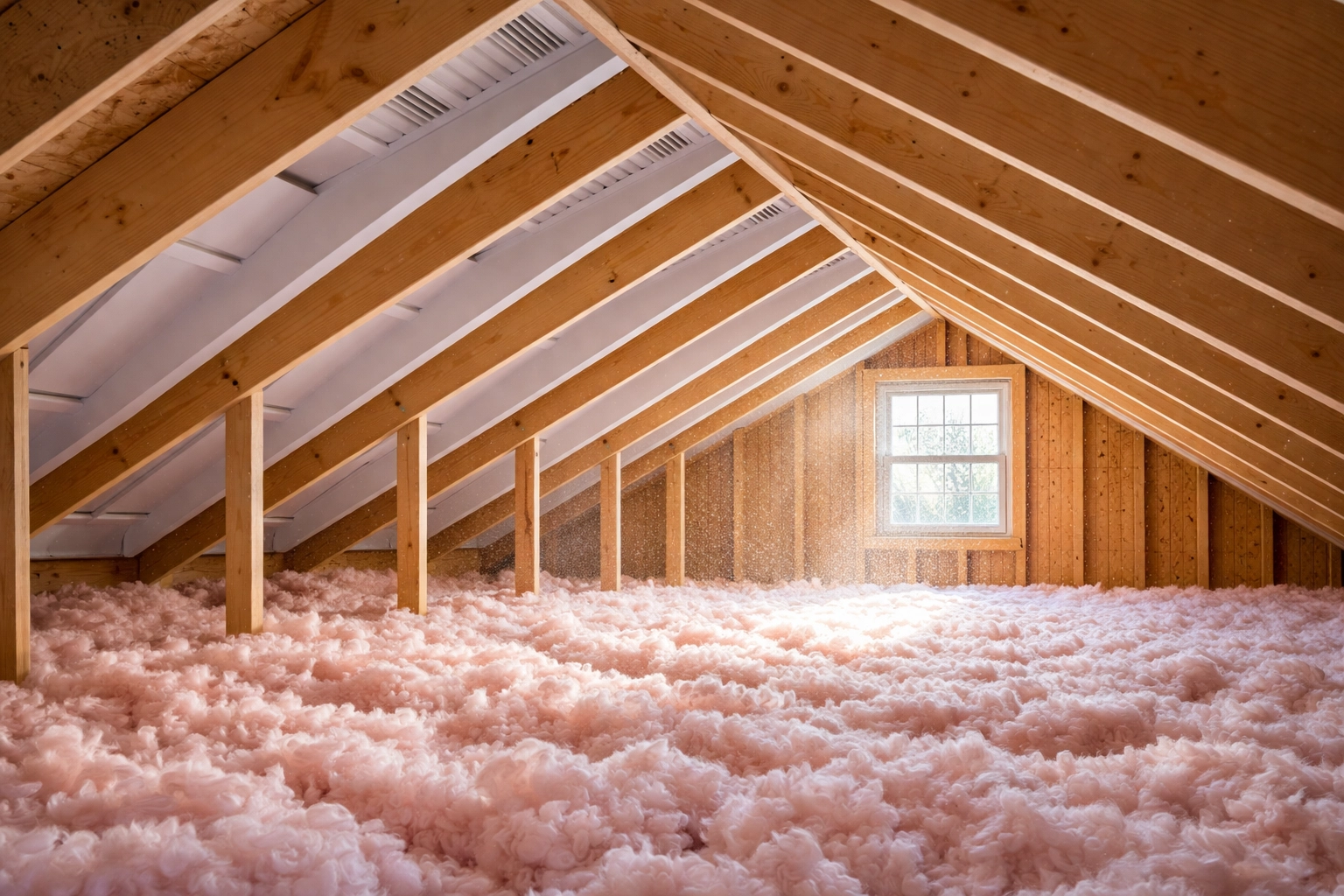
The Problem: Here's a common scenario: insulation was installed (or topped up) in the loft, and nobody checked whether it was blocking the ridge vents. Even a small obstruction can dramatically reduce airflow.
The Fix: Pull back any insulation that's pressed against or covering your ridge vents. Install insulation baffles to maintain a clear air channel between the insulation and the roof deck. This keeps your home warm while allowing proper ventilation.
4. You've Got an Imbalanced Vent System
The Problem: Effective roof ventilation requires balance: intake vents at the bottom (soffits) and exhaust vents at the top (ridge or gable vents). Too many intake vents with insufficient exhaust creates dead zones where hot air becomes trapped. The reverse problem causes negative pressure that pulls conditioned air out of your living space.
The Fix: Calculate your total vent area. The general rule is 1 square foot of ventilation for every 150 square feet of attic floor space, split evenly between intake and exhaust. Adjust your system accordingly.
5. Your Bathroom Fan Vents Into the Loft
The Problem: This is a major issue we see regularly in Northern Ireland properties. Bathroom extractor fans should vent to the outside: not into the loft space. A single bathroom fan can pump thousands of gallons of moisture into your loft annually. That moisture has to go somewhere, and it usually ends up as condensation on your roof timbers.
The Fix: Redirect bathroom exhaust ducting to vent through an external wall or through the roof with a proper terminal. This is a non-negotiable fix: building regulations require bathroom fans to exhaust externally.

6. Your Dryer Vent Terminates in the Loft
The Problem: Just like bathroom fans, tumble dryer vents that exhaust into the loft introduce massive amounts of warm, moist air. This is even worse than bathroom ventilation issues because dryers run for longer periods and produce more moisture.
The Fix: Reroute your dryer vent to exhaust outside. Use rigid metal ducting where possible: it's more durable and less prone to lint buildup than flexible plastic alternatives. Clean the vent regularly to maintain proper airflow.
7. You've Over-Insulated Without Compensating
The Problem: More insulation is generally good for energy efficiency. But if you've topped up your loft insulation without considering ventilation, you may have created problems. Thick insulation can block eaves, cover vents, and reduce the air gap needed for proper circulation.
The Fix: Install proprietary eaves ventilation trays or baffles that maintain a clear air path from your soffit vents up into the loft space. These inexpensive components sit between the rafters and prevent insulation from blocking airflow.
8. Your Gable Vents Are Too Small or Missing
The Problem: Gable vents provide additional exhaust ventilation at the ends of your roof. Many older properties in Belfast and across Northern Ireland have inadequate gable vents: or none at all. This limits the number of escape routes for hot, moist air.
The Fix: Consider installing larger gable vents or adding them if your property doesn't have any. Powered gable fans are another option for properties with persistent ventilation issues, though passive ventilation is usually sufficient when properly designed.
9. You're Mixing Different Ventilation Types Incorrectly
The Problem: Combining ridge vents with powered attic fans, or mixing gable vents with ridge vents incorrectly, can actually make ventilation worse. Powered fans can create short circuits that bypass soffit intake entirely. Some combinations cause exhaust vents to work against each other.
The Fix: Stick to one primary exhaust system. If you have ridge vents, they should be your main exhaust: close off or remove conflicting gable vents. If you're using powered ventilation, ensure it's properly sized and positioned to work with (not against) your passive vents.
10. Your Roof Has Structural Damage Affecting Airflow
The Problem: Sagging roof decks, warped timbers, and collapsed sections can obstruct ventilation pathways you didn't even know existed. Previous water damage or poor repairs may have sealed off crucial air channels.
The Fix: This requires professional assessment. A comprehensive roof survey will identify structural issues affecting ventilation and recommend appropriate repairs. Don't ignore signs like visible sagging, water stains, or unusual odours in the loft.

How Do You Know If Your Ventilation Needs Attention?
Watch for these warning signs:
- Condensation on loft windows or roof felt
- Musty or damp smells in the loft space
- Visible mould on timbers or insulation
- Ice dams forming on the roof edge in winter
- Excessively hot loft in summer
- Peeling paint on exterior soffits or fascias
- Rust on metal fixings in the loft
If you're experiencing any of these issues, your ventilation system needs investigation.
What Should You Do Next?
Start with a visual inspection. Check your soffits from outside, look at your ridge line for visible vents, and spend ten minutes in your loft looking for obvious problems like blocked vents or moisture damage.
If you spot issues: or you're not sure what you're looking at: call in the professionals. A proper roof survey in Belfast will identify ventilation problems, assess any damage that's already occurred, and provide clear recommendations for putting things right.
At Advanced Construction & Roofing, we've helped hundreds of Northern Ireland homeowners fix ventilation issues before they became expensive problems. Contact us today to book your roof ventilation assessment and protect your property from preventable damage.